
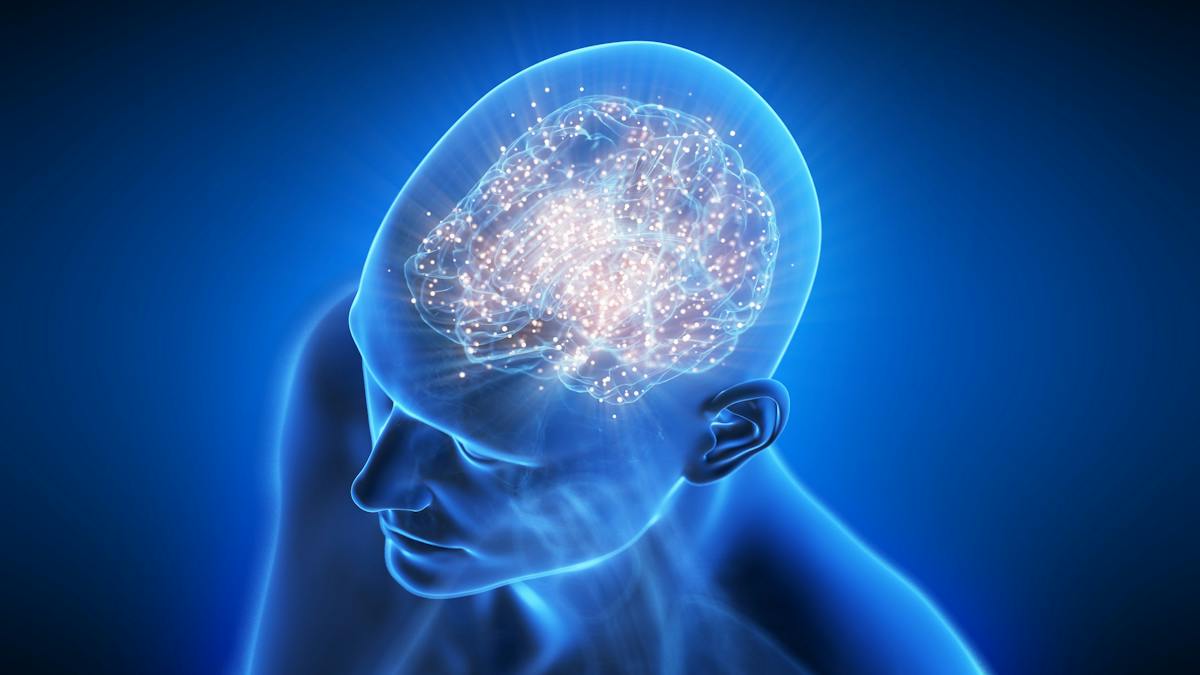
A trio of scientists has been awarded the Nobel Prize in medicine for discoveries that allow researchers to control the activity of brain cells using light — a breakthrough that traces its origins to pond scum, according to The Daily Wire.
The prize, announced Monday, honors work that led to the development of optogenetics, a technique that has transformed neuroscience by enabling scientists to turn specific neurons on and off with flashes of light. The method relies on light-sensitive proteins first found in green algae.
From Pond Scum to Brain Control
The path to the Nobel began with a humble organism: green algae, often dismissed as pond scum. These single-celled organisms use light-sensing proteins to move toward or away from light, a survival mechanism that researchers later harnessed to manipulate neurons in laboratory animals and, eventually, in human trials exploring treatments for blindness and other conditions.
By inserting the genes for these proteins into neurons, scientists can make specific brain cells responsive to light. Shine a light of one color, and the cells activate; switch to another, and they fall silent. This precise control has allowed researchers to map neural circuits, study how memories form, and identify the cells involved in disorders such as Parkinson’s disease and depression.

The three laureates — whose names were not included in the source material — were recognized for their roles in uncovering and developing this technology. The Daily Wire reported that their work began with the study of algae and ultimately revolutionized how scientists study the brain.
Unlike traditional methods such as electrodes, which can record or stimulate large groups of cells indiscriminately, optogenetics offers millisecond precision. That precision has made it a staple in neuroscience labs worldwide, spawning thousands of studies and multiple biotech companies.

The Nobel committee’s decision highlights how basic research on obscure organisms can yield powerful tools. In this case, a protein that helps algae find sunlight became a key that unlocks the brain’s electrical language.
The prize is the first of this year’s Nobel awards to be announced. Winners in other categories, including physics, chemistry, and peace, will be revealed in the coming days.
Source: www.dailywire.com — https://www.dailywire.com/news/scientists-win-nobel-prize-for-turning-brain-cells-on-and-off-it-began-with-pond-scum