
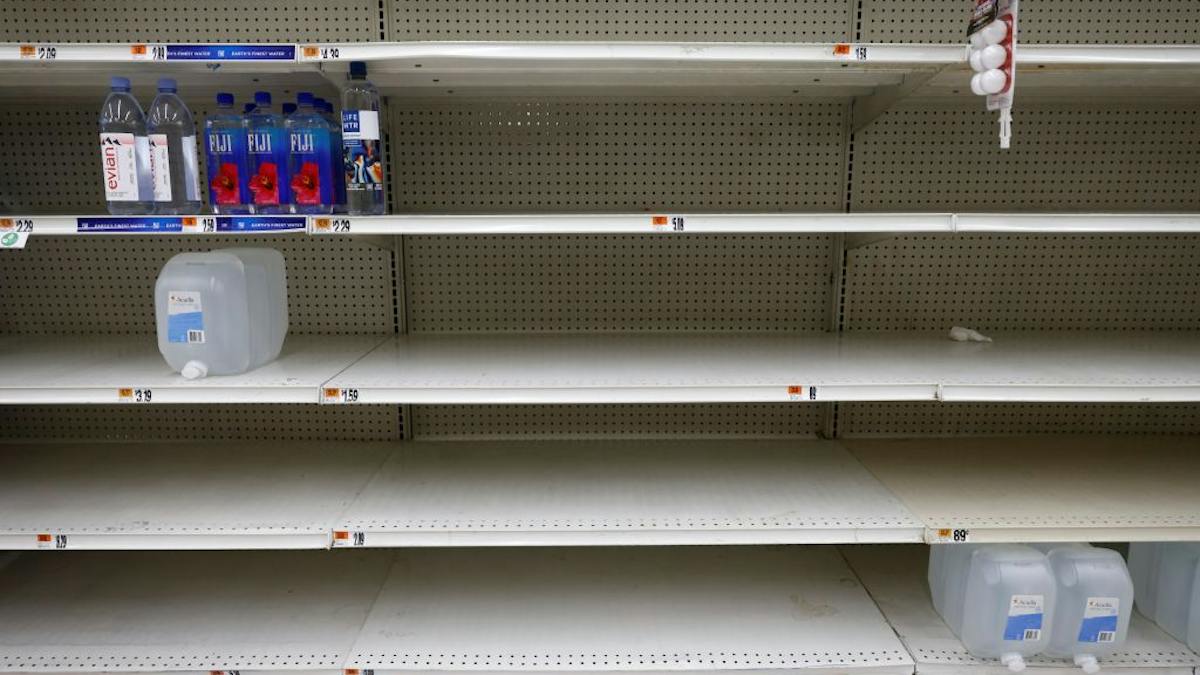
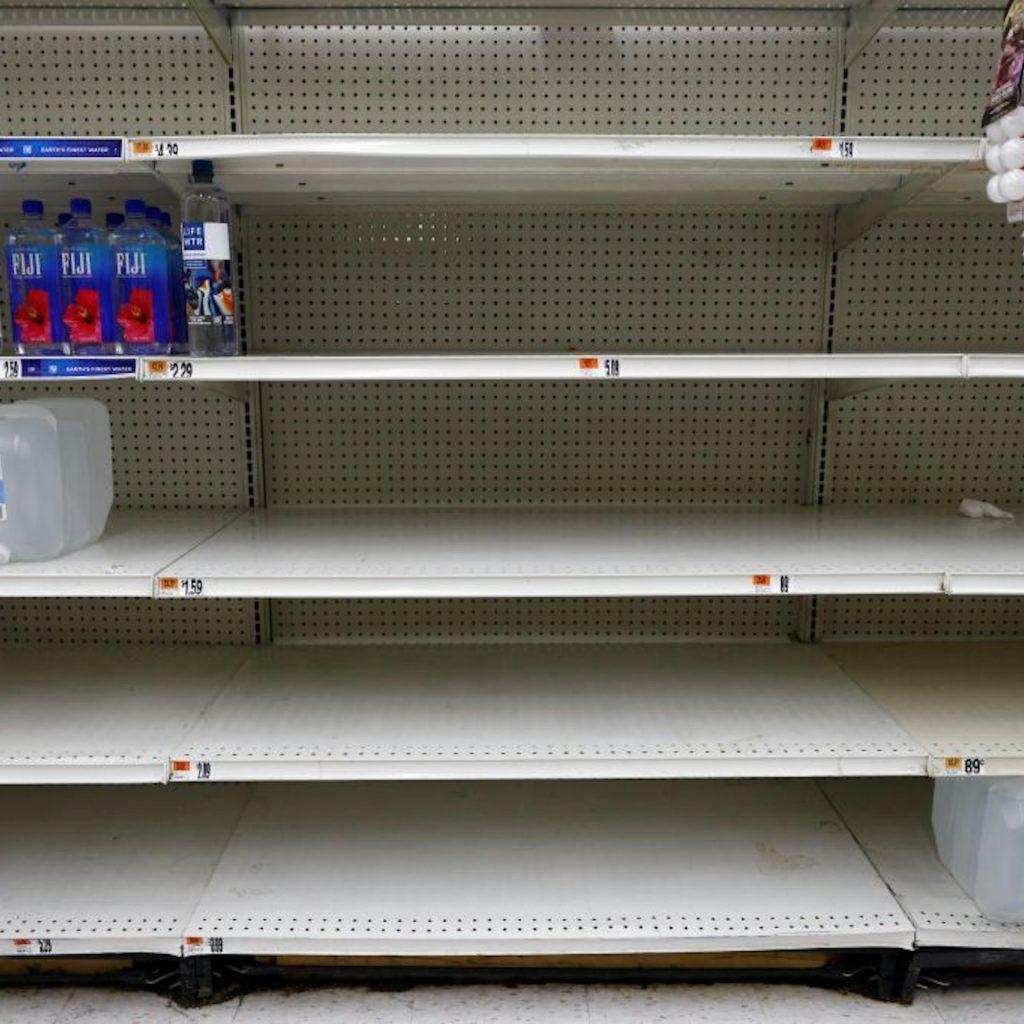
A recent surge in prepper activity—marked by emptied store shelves and frantic stockpiling—has left many Americans wondering what sparked the sudden panic. While real vulnerabilities exist, experts say the frenzy was fueled by a mix of Russian cyber warfare and sensationalized social media claims.
The Role of Russian Cyber Sabotage
Russia has intensified its hybrid warfare campaign, targeting Western democracies with cyberattacks designed to destabilize societies and undermine support for Ukraine. Recent attacks on European supermarkets, including freezer malfunctions that spoiled millions in food supplies, bear the hallmarks of Russian operations. Similar incidents have already hit the U.S., with military commissaries in at least six states experiencing refrigeration failures in late August.

Social Media Amplifies Fear
While real threats exist, the panic was exacerbated by viral misinformation. High-profile commentators, including Tucker Carlson, made unfounded claims about potential nuclear strikes on Iran, stoking fears of imminent catastrophe. These claims, though baseless, spread rapidly across social media, where algorithms amplified fear-driven content.

Government Response and Reality Check
U.S. and European officials have long advised citizens to prepare for short-term emergencies, such as power outages, but stress there is no new, imminent threat requiring extreme measures. The Pentagon’s recent FORTRESS initiative, which mandates military bases to be self-sufficient for 90 days, is a precaution—not a signal of impending doom. Experts urge calm, emphasizing preparedness over panic.
“By all means, keep calm and prepare for a few days of power loss,” said Rebeccah L. Heinrichs, a senior fellow at the Hudson Institute. “But don’t panic, and that means remaining very skeptical of viral online phenomena.”
Source: www.dailywire.com — https://www.dailywire.com/news/how-russian-sabotage-and-social-media-fueled-an-american-panic