
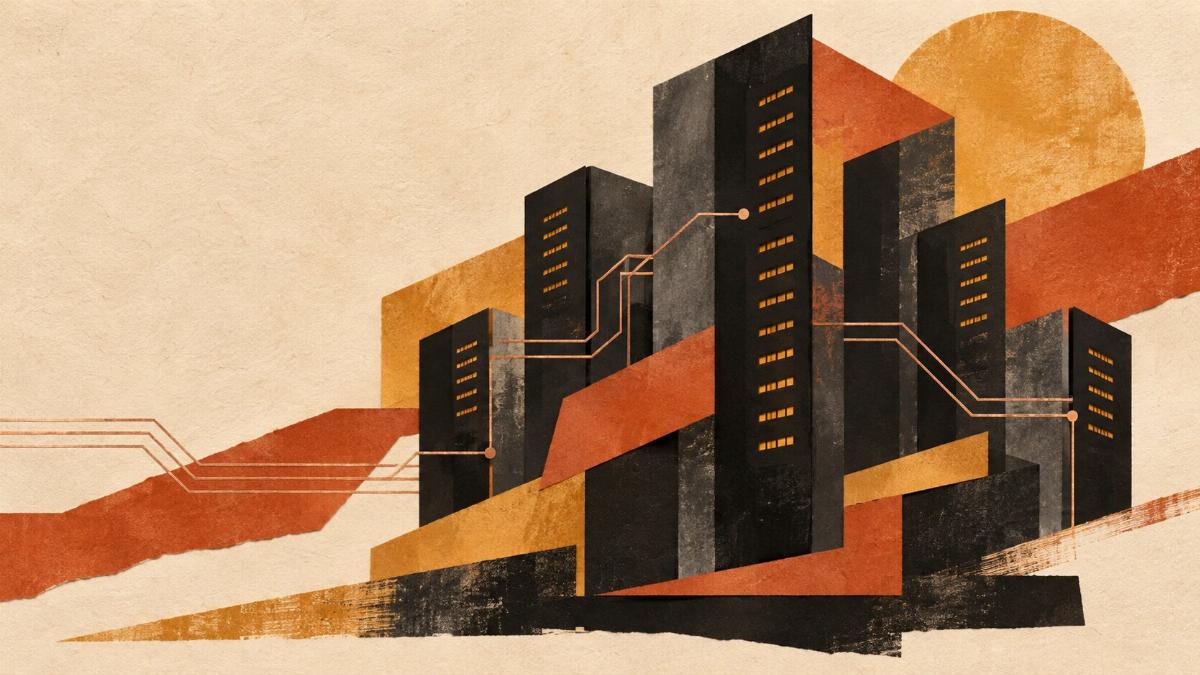
The U.S. Senate is advancing a bipartisan bill designed to turbocharge data center construction, positioning the infrastructure as vital to maintaining America’s economic edge over China while addressing voter concerns about energy costs. The American Affordability and Jobs Act (S. 5653) cleared a key procedural hurdle this week with a 73-25 vote, including support from nearly half of Senate Democrats, after former President Donald Trump publicly endorsed it on TruthSocial.
The China Factor
The legislation arrives amid what proponents describe as a geopolitical inflection point. The bill’s backers warn that local opposition to data centers—which saw 39 of 40 anti-data center ballot measures pass in the 2026 elections—risks ceding ground to China in the AI arms race. “China will take any data center that we don’t want, and pay lots of money for it,” Trump wrote in his endorsement, framing the issue as a matter of national security.
Ratepayer Protections
The bill’s most politically potent provision shifts financial liability for energy consumption from residents to tech companies. Research from the University of Chicago and Yale confirms that data centers drive up local electricity prices—a concern for 50% of households in Pew polling. The legislation mandates that operators cover these cost increases, while also streamlining permits for new power plants to expand grid capacity.
Debunking the Water Wars
Opponents have raised alarms about water usage, particularly in drought-prone states. But data from the Florida Water & Pollution Control Operators Association suggests data centers account for just 0.3-0.4% of total U.S. water withdrawals—far less than agricultural or energy sector usage. The bill’s supporters note that many modern facilities use air-cooling or recycled water, with some states like Florida proactively investing in desalination to prevent shortages.
The Economic Payoff
Proponents point to a University of Chicago/Yale study showing data centers boost host counties’ tax revenues by 5.9%, wages by 5.9%, and incomes by 8.2%. While the facilities themselves employ relatively few workers, those jobs typically pay six figures—often without requiring four-year degrees. The sector has become a key driver of the U.S.’s current 3.4% GDP growth rate, which outpaces all other industrialized nations.
As Senators John Fetterman (D-PA) and David McCormick (R-PA) argued in a joint op-ed, “To win the AI race, America needs more brute computation and energy.” With China watching closely, the Senate appears poised to bet that voters will prefer paychecks over protests when the economic benefits become tangible.
Source: www.americanthinker.com — https://www.americanthinker.com/blog/2026/11/new-senate-bill-would-continue-data-center-construction/