
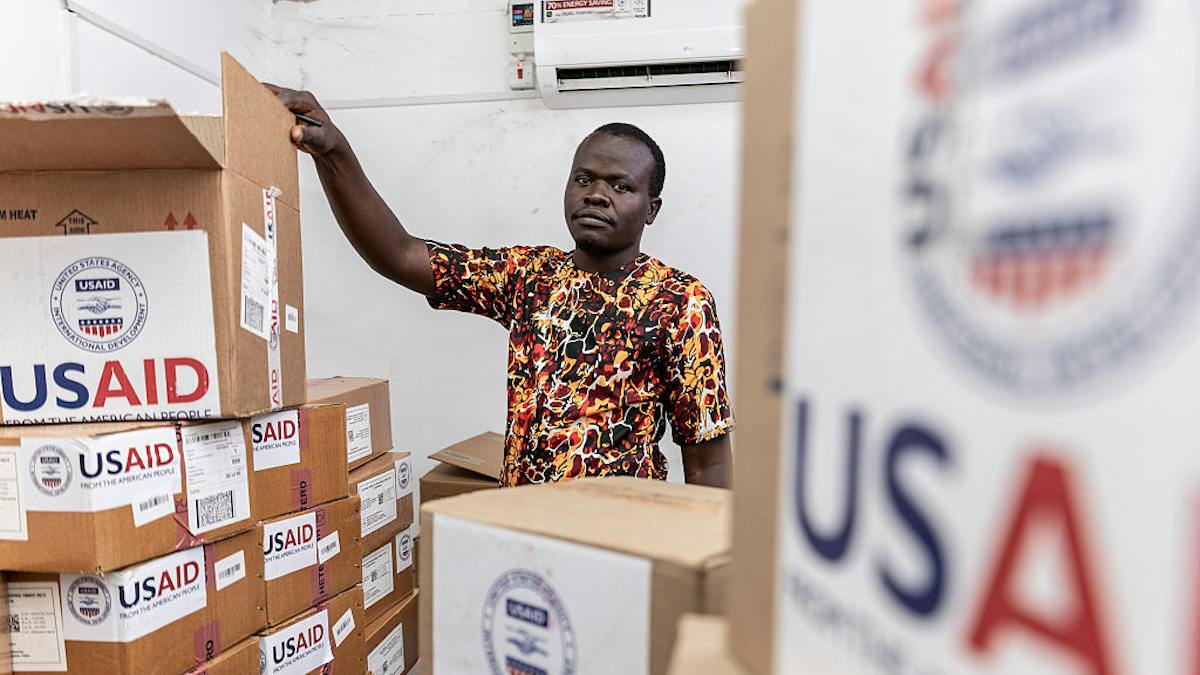
The U.S. government has fundamentally reshaped its approach to international development, dismantling USAID—long a cornerstone of American foreign aid—and replacing it with a “trade, not aid” strategy designed to serve American economic and security interests. The move, championed by Secretary of State Marco Rubio and former President Donald Trump, marks the most significant overhaul of U.S. diplomacy in decades.
USAID’s Controversial Exit
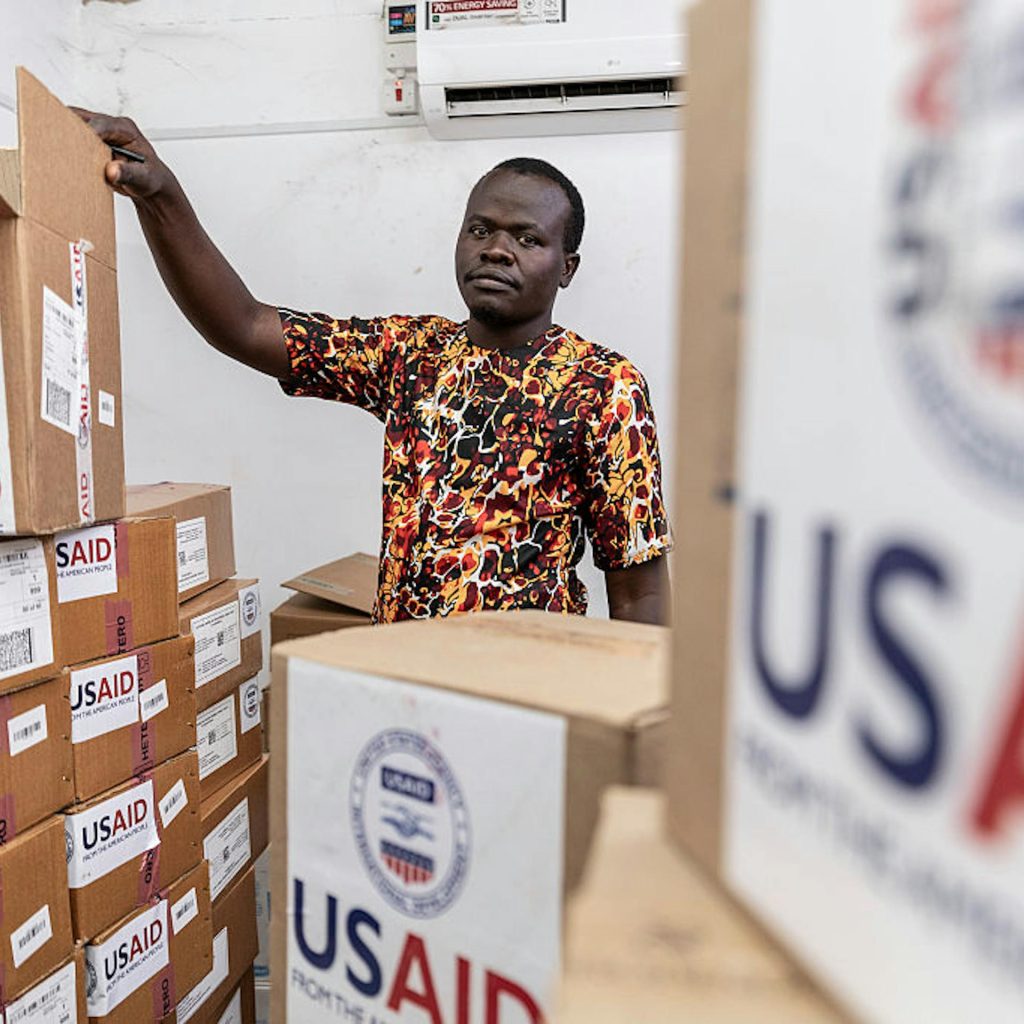
Once a $1.5 billion agency, USAID was dissolved after allegations of mismanagement and mission creep. Reports surfaced of funds diverted to controversial projects, including diversity initiatives in Serbia and grants to EcoHealth Alliance, a group linked to Wuhan lab research. Acting Administrator placed 56 officials on leave for circumventing executive orders. Critics argued the agency had become unaccountable.

China’s Shadow and Africa’s Demand
The shift comes as Africa emerges as a pivotal battleground in U.S.-China competition. While China built infrastructure across the continent, USAID focused on workshops and training programs—a mismatch that frustrated African leaders. Ghana even adopted “Ghana Beyond Aid” as a national slogan. “African ministers weren’t asking for more aid,” says Ambassador Michael Patrick Murphy, a veteran Africa strategist. “They wanted partners, not patrons.”

The New American Playbook
In USAID’s place, the U.S. has turbocharged the Development Finance Corporation (DFC), increasing its lending capacity to $205 billion and allowing equity stakes. The Washington Accords tied Rwandan-Congolese peace deals to mineral supply chains, inserting U.S. companies into cobalt and copper markets dominated by China. “Every dollar spent must benefit Americans,” Murphy emphasizes.
Minerals, Markets, and American Jobs
The strategy targets three key areas: critical minerals (Africa holds 30% of global reserves), future consumer markets (1 in 4 people will be African by 2050), and high-skilled American jobs. Unlike traditional aid, programs now require host countries to co-invest and partner with U.S. firms. “It’s about returns, not gratitude,” says Alex Olson of Nestpoint Associates, noting the DFC’s $341 million profit in 2023.
Republican Skeptics and the Path Ahead
Some conservatives remain wary of overseas spending, but proponents argue this model—unlike USAID—directly strengthens U.S. industry while countering China. As one official put it: “We’re not writing checks. We’re building alliances that pay dividends.” With Africa’s population booming and China tightening its mineral grip, the stakes have never been higher for America’s reimagined role on the continent.
Source: www.dailywire.com — https://www.dailywire.com/news/the-new-rules-of-american-power-replacing-the-lefts-favorite-aid-organization