
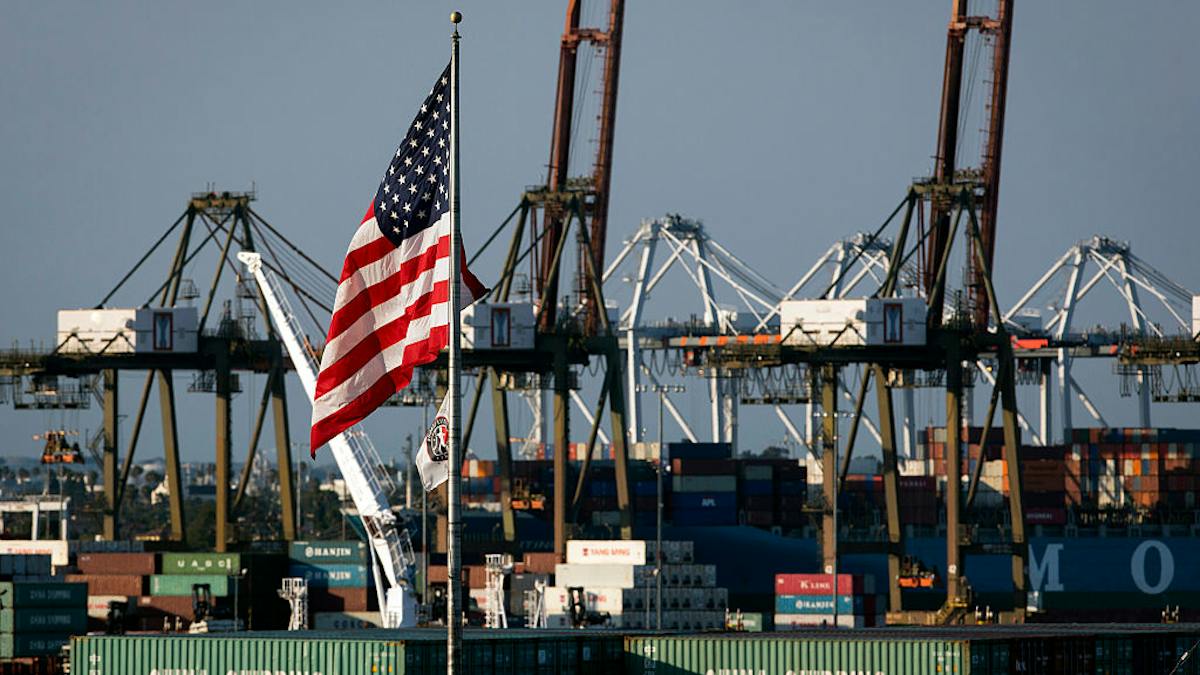
President Trump faces a critical deadline this week as a temporary waiver exempting energy shipments from a century-old maritime law is set to expire, potentially driving up costs for American consumers and farmers.
The Jones Act, a 1920 law requiring goods transported between U.S. ports to be carried on American-built, owned, and crewed ships, has been partially suspended since March for energy-related cargo. Trump’s administration issued the waiver citing national security concerns during tensions with Iran, then extended it twice. The current reprieve ends November 15.
The Waiver’s Impact
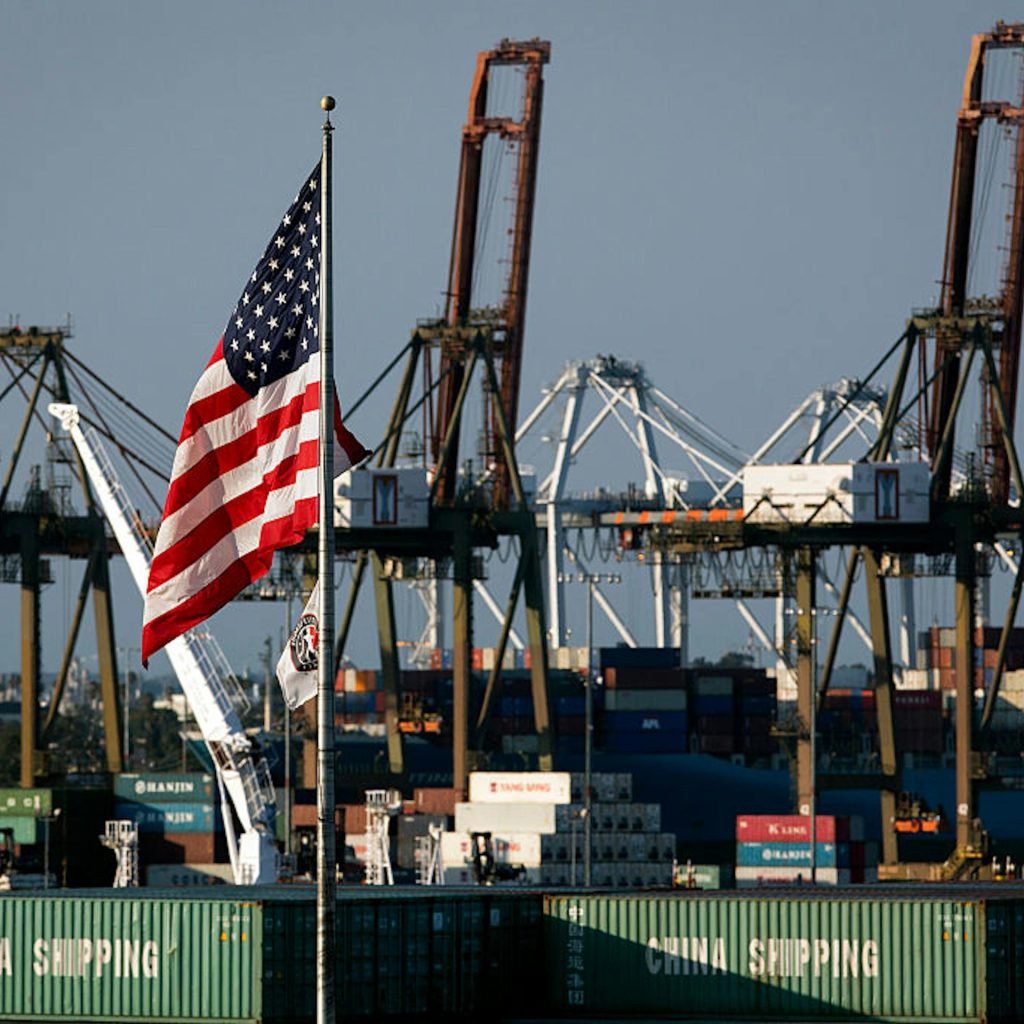
Shipping data reveals the policy’s dramatic effect: 337 voyages moved diesel, gasoline, jet fuel, and other critical supplies between U.S. ports from March through October. The American Petroleum Institute reported more fuel shipped from Gulf Coast to West Coast in the waiver’s first 76 days than in the previous 11 years combined.
But the waiver’s strength has eroded. Initially allowing about two shipments daily, recent regulatory hurdles requiring pre-approval cut activity by 75% to roughly one shipment every other day.

Mounting Pressure on Both Sides
Proponents of the Jones Act, including domestic shipbuilders and maritime unions, are lobbying the White House to let the waiver lapse entirely. They argue the law protects national security and American jobs.
Opponents counter with economic data. A National Taxpayers Union poll found 73% of Americans support the waivers. The American Farm Bureau Federation warns ending them would spike fertilizer costs, while energy groups say it would undermine U.S. fuel independence.

The National Security Debate
Supporters claim foreign vessels pose risks, but government records show no security incidents tied to waiver shipments. Critics argue the law actually weakens security by making domestic shipping artificially expensive.
“The shipbuilding industry primarily serves the U.S. Navy, not commercial customers,” notes Bryan Riley of the National Taxpayers Union. “Meanwhile, Americans pay more for everything from Hawaii’s milk to Puerto Rico’s disaster relief.”
What Comes Next
Options exist beyond another short-term extension. Proposals include automatic waivers when no U.S. ships are available (currently blocking LNG exports between states) and permanent exemptions for non-contiguous regions like Alaska and Puerto Rico.
With the midterms highlighting voter concerns over costs, the administration’s decision could carry economic and political consequences. As the Sunday deadline looms, energy producers and farmers await word on whether their temporary relief will vanish with the stroke of a pen.
Source: www.dailywire.com — https://www.dailywire.com/news/trump-faces-november-shipwreck-on-american-energy-costs