
British academia is using the suicide of Cambridge University professor Jason Arday to justify more DEI training as necessary within a “racist” society, according to a new analysis from the Manhattan Institute, which argues that the tragedy is being exploited to crack down on press freedom.
Arday, the university’s “youngest-ever black professor,” was found dead on August 14, apparently by his own hand. He was 41. His death followed weeks of intense public scrutiny that began with allegations of plagiarism and escalated into broader questions about the rigor of his scholarship, the quality of his teaching, and his claims of extraordinary athletic feats achieved despite developmental and health obstacles.
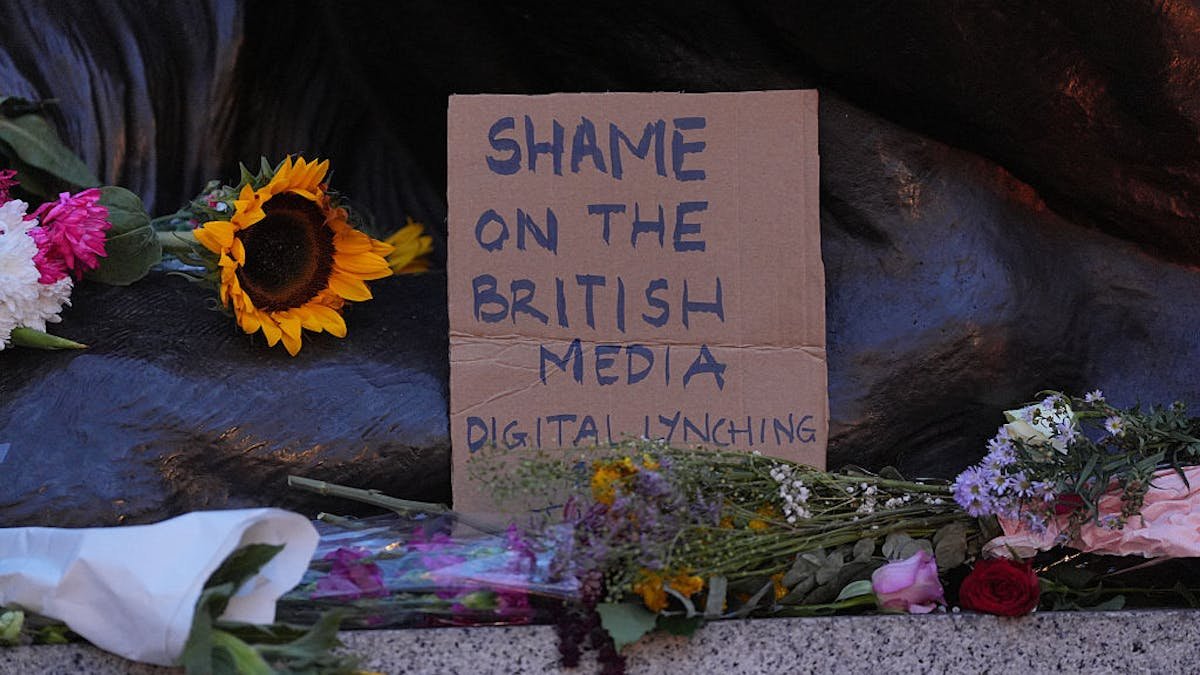
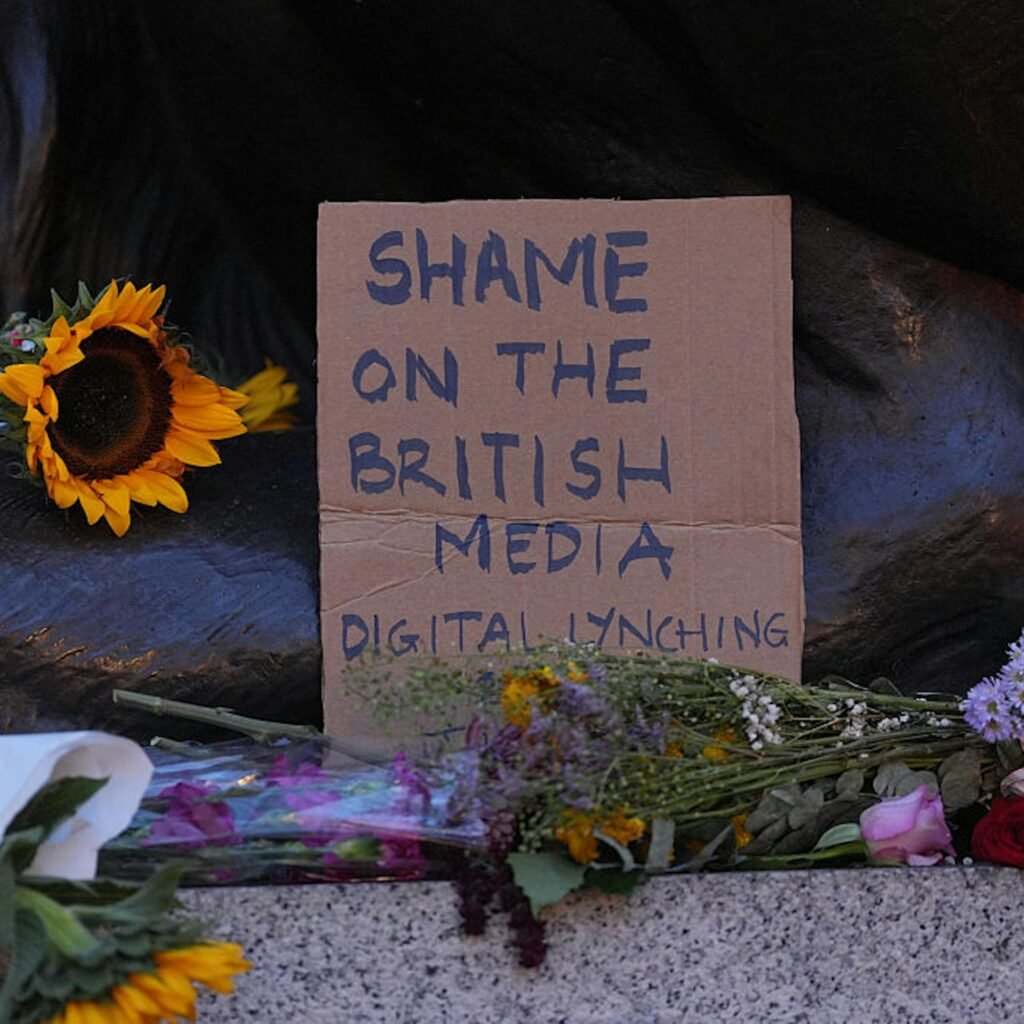
In the aftermath, a wave of vigils reminiscent of the 2020 Black Lives Matter protests has swept London. Universities and academic organizations have issued statements of condolence, with some pledging to intensify efforts to root out racism. But unlike the post-George Floyd era, which focused scrutiny on police behavior, the finger is now being pointed at journalists. Supporters of Arday claim he was “lynched” by a “media running on monetised hate and cruelty.”
The Manhattan Institute’s Joanna Williams, writing for City Journal and republished by the Daily Wire, argues that these claims are part of a growing movement to restrict press freedom in Britain.
Cambridge’s chancellor has described the press coverage of Arday’s story as a “racist feeding frenzy.” A senior Labour MP has declared that Arday was the victim of “a vicious campaign.” Others contend that Arday faced scrutiny far surpassing that of white academics accused of similar misconduct.
The narrative taking hold among the academic Left, Williams writes, is that journalists hounded the innocent, vulnerable Arday to death in a coordinated attack aimed not just at one scholar but at discrediting the entire diversity, equity, and inclusion (DEI) project.
But Williams argues this narrative “bears little relationship to the truth.” While former Cambridge scholar Nathan Cofnas ignited the summer’s press coverage, other professors and journalists had previously raised questions about Arday’s academic integrity. Far from being a passive victim, Arday reportedly reported his detractors to police for harassment and hired a top law firm to suppress news stories investigating his background.
Williams also disputes the claim that white academics who fabricate life stories are spared scrutiny, noting the case of Raynor Winn, whose best-selling memoir The Salt Path was revealed last year to contain significant fabrications about her identity and life—and received extensive British media coverage.

On the assertion that Arday’s coverage was disproportionate, Williams says it is “impossible to answer” definitively. August is typically a slow news month, she notes, and Arday’s own “fantastical embellishments to his biography virtually guaranteed public interest.” Ironically, she argues, the story might have fizzled if Cambridge had dealt internally with the initial academic criticisms or allowed the matter to be aired in specialist trade publications.
“From first to last, it’s hard to see how Cambridge even once acted in Arday’s best interests,” Williams writes.
She further argues that blaming the media lets Cambridge and the wider British academic establishment off the hook. Arday received his PhD from a university in Liverpool despite reportedly having only one formal meeting with his supervisor. He then moved quickly through several universities before landing at Cambridge, a climb Williams attributes to universities so obsessed with DEI that they “abandoned all critical faculties.” When journalists challenged them, they “dug in their heels and defended Arday.” Instead of investigating whether diversity initiatives had compromised academic integrity, they are now using Arday’s suicide to push for more DEI training under the guise of a “racist” society.
Meanwhile, press freedom is under direct assault. Activists are compiling lists of journalists who covered Arday, with some demanding they be targeted and held to account. The campaign has already claimed scalps: the University of Ghent suspended Cofnas, the academic blogger who broke the story. One journalist who initially criticized Arday has issued a video apology.

Political figures are weighing in with calls for greater state intervention in media. Zack Polanski, leader of Britain’s Green Party, has called for a national inquiry into media “culture and behaviour” regarding Arday. Other Greens are demanding tighter regulation of journalistic practices, including allowing reporters to opt out of assignments they deem unethical and requiring large online platforms to “actively promote and protect plurality and diversity of voices.”
Author Will Self has joined the chorus calling for a full public inquiry and has named individual journalists he holds responsible for Arday’s death. Some are even proposing legal limits on how many articles may be published about a single person in a given time frame. Britain’s press regulator, IPSO, is already reviewing the “high volume” of coverage the story received.
The Good Law Project, a campaign group that uses litigation “to fight against hate and spread hope,” has also demanded more state regulation of the press, asserting that “Dr. Arday’s tragic death was the direct, foreseeable and foreseen result of press harassment. A significant element in that harassment was the colour of his skin. Self-regulation of the press has comprehensively failed.”
Williams emphasizes that Arday’s death did not create Britain’s censorious press climate, which has long seen left-wing activists rail against journalists publishing material they dislike. But, she argues, “Arday’s suicide has become an excuse to take up this anti-press campaign with renewed fervor.”
“Arday’s death is a tragedy for his family and friends,” she concludes. “It must not become an excuse to introduce yet more restrictions on press freedom.”
Source: www.dailywire.com — https://www.dailywire.com/news/press-freedom-dei-and-the-response-to-cambridges-jason-arday-controversy