
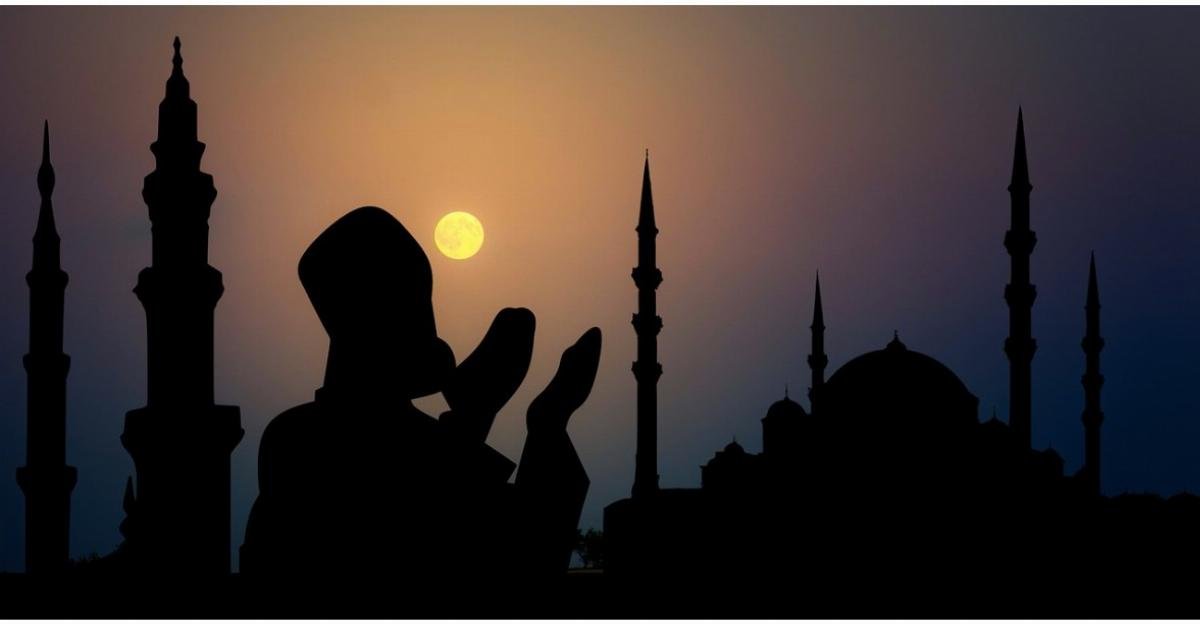
California’s Democratic lawmakers have advanced legislation that would formally recognize two Muslim holy days as official state holidays, a move that has ignited debate over the role of religion in public institutions and the state’s commitment to religious diversity.
Assembly Bill 2017, which already passed the State Assembly by a 64-1 vote, would add Eid al-Fitr and Eid al-Adha to California’s list of official state holidays. The bill must still pass the Senate and return to the Assembly for concurrence before it can be sent to Governor Gavin Newsom for his signature.
What the Bill Would Do
According to the legislation, if signed into law, AB 2017 would allow K-12 public schools and community colleges to close on these holidays if local governing boards and employee unions agree. It would also permit public schools to conduct exercises exploring the history of Eid al-Fitr and Eid al-Adha.
Supporters argue that recognizing these holidays reflects California’s growing Muslim population and promotes inclusivity. However, critics have raised concerns about the precedent it sets in a state that has historically emphasized the separation of church and state.
Comparing Religious Recognition
Opponents of the bill point out that California is home to nearly 12 million Catholics, yet the state’s education code contains no comparable holiday-specific provision for developing model curriculum exercises addressing the religious significance of Christmas, Easter, or Good Friday.
“You can bet those explorations will be positive in nature,” said Eric Utter, writing for American Thinker. “I doubt we could say the same about exercises in ‘exploring the history’ of Christianity. If there were any. Separation of church and state, you know. But, increasingly — and terrifyingly — there is no separation of Islam and state.”
Context and Timing
The bill comes 25 years after the September 11, 2001, attacks, a timing that critics find notable. Utter’s commentary also highlights other developments, including New York City having a Muslim mayor and the growing visibility of Muslim communities in cities like Dearborn.
The legislation is part of a broader set of cultural and political shifts in California. Another bill recently cleared the state legislature that would force large companies to disclose their historical links to slavery, and it is now headed to Newsom’s desk, where he has until September 30 to decide whether to sign or veto it.
Looking Ahead
As AB 2017 moves through the Senate, the debate over religious recognition in public life is likely to intensify. Supporters see the bill as a step toward greater religious equality, while opponents view it as a departure from the nation’s foundational principle of keeping government neutral on religious matters.
The outcome will depend on the Senate vote and ultimately on Governor Newsom’s decision. If signed, California would become one of the first states to formally recognize Muslim holy days as official state holidays.
Source: www.americanthinker.com — https://www.americanthinker.com/blog/2026/08/california-bruits-recognition-of-two-muslim-holy-days-as-official-state-holidays/