
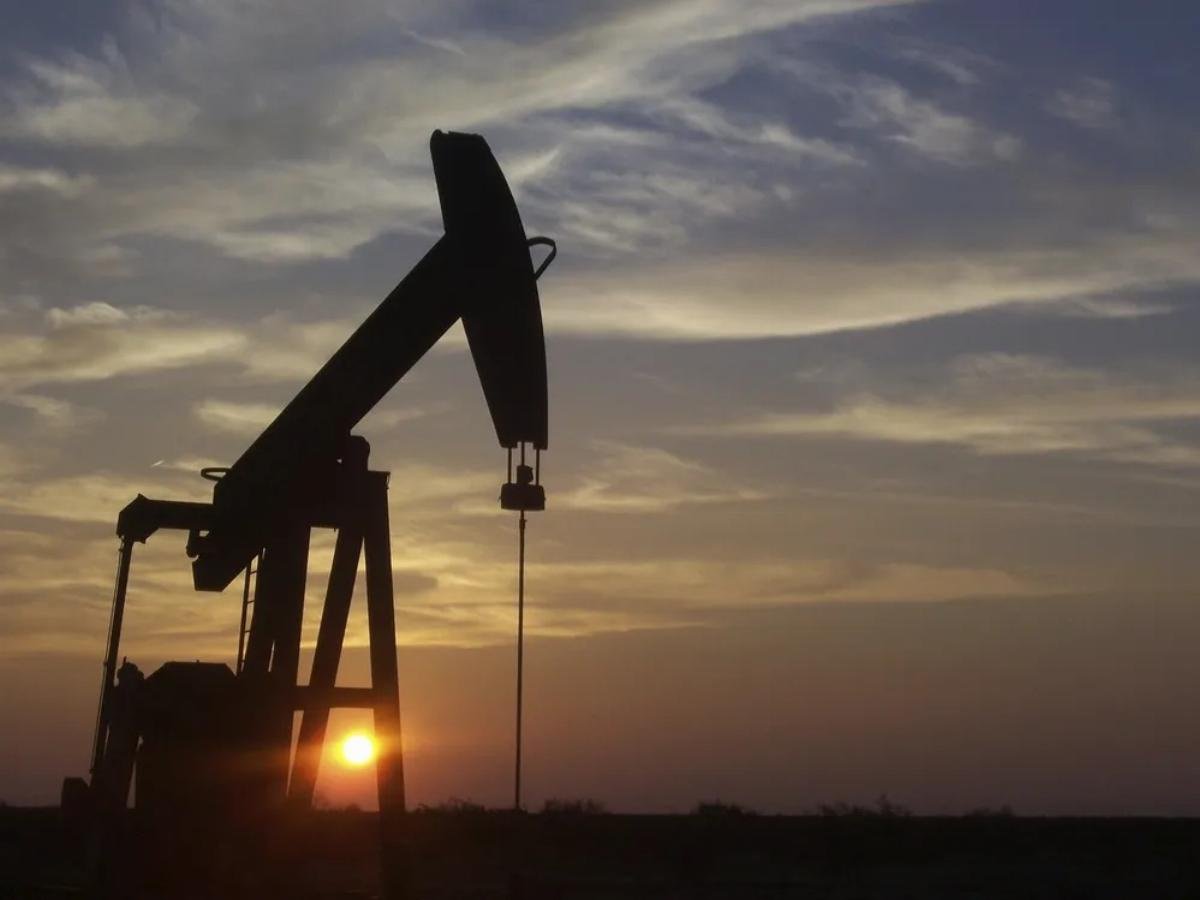
When President Donald Trump touted the recent Venezuela oil agreement as “the biggest oil deal in world history,” he was not just hyping a business transaction. According to a new analysis in American Thinker, the deal is part of a broader strategic pivot—one that blends private capital with direct U.S. government equity stakes, and that the author argues is necessary to secure critical energy and mineral supplies amid growing rivalry with China.
The piece, written by William R. Hawkins, president of the Hamilton Center for National Strategy, points to a lesser-known agreement signed in May with the global commodities firm Mercuria Energy Group. While gold grabbed headlines, Hawkins argues that nickel, aluminum, coltan, and other critical minerals essential for electric vehicles, artificial intelligence, and modern defense systems are the real strategic gains. These materials, he writes, are key to “more secure supply chains for American manufacturing.”
The administration’s direction, according to the article, is clear: The National Energy Dominance Council, created by Trump, is coordinating the effort, and the Treasury Department will oversee all transactions. The goal is to ensure that the U.S.—not foreign competitors—benefits from these resource deals.
A 100-Year Concession and ‘Golden Shares’
At the heart of the oil deal is North American Blue Energy Partners (NABEP), a privately held company that is the second-largest private oil producer in Venezuela. The agreement grants NABEP a 100-year concession on 17 oil fields with proven reserves of approximately 65 billion barrels. In return, NABEP has reportedly granted the U.S. Department of War’s Office of Strategic Capital a 35% equity stake in its corporate parent—a stake that could be worth “hundreds of billions in value and dividends” for the U.S. government.
Hawkins describes this as a “golden share” arrangement, a common practice in many countries to secure strategic assets for national interests. These shares give governments veto power over corporate actions that could jeopardize economic or national security, or that could move productive assets out of the country. He notes that Trump first used this mechanism in the merger of U.S. Steel and Nippon Steel, mandating that American steelmaking capacity remain domestic.
The use of golden shares has drawn criticism from free-market globalists who decry it as “protectionist,” Hawkins acknowledges. But he counters that decades of globalist policy allowed vast swaths of the U.S. industrial base to move overseas, leaving the country dependent on “untrustworthy” foreign suppliers and hamstrung in times of crisis.
Foreign complaints—particularly from China—are dismissed by Hawkins as evidence of the policy’s effectiveness. “Given the rivalry between America and China, Beijing’s objections are only another indicator of the success of President Trump’s policies,” he writes.
Hamilton’s Ghost
The article invokes a Hamiltonian precedent for this approach. Hawkins cites historian Richard B. Morris, who argued that Alexander Hamilton was “an economic nationalist” who believed government should actively promote trade, manufacturing, and agriculture. Hamilton himself rejected the notion that trade would simply regulate itself, calling it “one of those speculative paradoxes… rejected by every man acquainted with commercial history.”
For Hawkins, the Venezuela deals represent a return to that tradition—harnessing capitalism for national development and security, rather than allowing market forces to operate without regard to national consequences.
Rebuilding Venezuela’s Oil Sector
Rebuilding Venezuela’s oil production will take time. The country’s industry has deteriorated under decades of socialist mismanagement, with basic maintenance long neglected. At its pre-socialist peak, Venezuela produced about three million barrels per day; current output stands at 1.3 million barrels per day, according to the article. With NABEP planning to invest $100 billion, the piece contends, Venezuela could move beyond its former output and potentially rank among the top ten global producers—perhaps even as a replacement for Iran.
The administration is also expanding the scope of engagement. On September 2, Energy Secretary Chris Wright was in Venezuela to oversee additional agreements with Chevron, Eni, and GE Vernova, aimed at boosting oil output and modernizing Venezuela’s electric grid. That infrastructure work is seen as critical to supporting economic growth in a country that has been crippled by corruption and socialist policies.
Hawkins frames Venezuela’s decline as an object lesson in Marxist economics. “The ‘revolution’ only seizes what was built by others (capitalists) and then divides it up more ‘fairly,’” he writes, arguing that leftist ideology offers no blueprint for running industries or fostering innovation.
Criticism from Democrats
The article also takes aim at Democratic criticism of the Venezuela deal. It highlights comments from Sen. Tim Kaine (D-VA), who serves on the Senate Foreign Relations Committee. Kaine claimed the deal would “pad the pockets of Trump family and Big Oil companies and delay transition to cleaner energy.” He called the arrangement “corruption at epic scale,” asking why U.S. troops would be involved in what he characterized as a “private oil grab.”
Hawkins dismisses such criticism, arguing that profits are only earned when something is produced that people want and need. He points to disruptions in oil shipments through the Strait of Hormuz as evidence that the world needs more oil on the market, not less. He also notes that Democrats have criticized the deal even as they campaign on high gas prices and affordability—a contradiction, he says, given that Blue states tend to have higher gas prices due to taxes and supply restrictions.
“Lowering living standards is a key Green goal, and socialism is the proven way to do it,” Hawkins writes.
Energy Security as National Security
The core argument of the piece is straightforward: The essential attributes of any energy source are reliability, cost, and security. By gaining control of Venezuela’s vast reserves, the Trump administration seeks to advance all three. The article closes by framing the deals not as a giveaway to private interests, but as a government-directed effort to secure strategic assets for American benefit—a necessity, the author argues, in a world of intensifying great-power competition.
As with any opinion piece, the claims made here are the author’s own. The actual terms of the agreements and their long-term impacts remain to be seen. But the article underscores how the Trump administration is positioning control over foreign energy resources as central to its national security strategy—and how that strategy is sharpening the debate over the proper role of government in shaping global markets.
Source: www.americanthinker.com — https://www.americanthinker.com/articles/2026/09/trump-venezuelan-oil-and-national-security/