
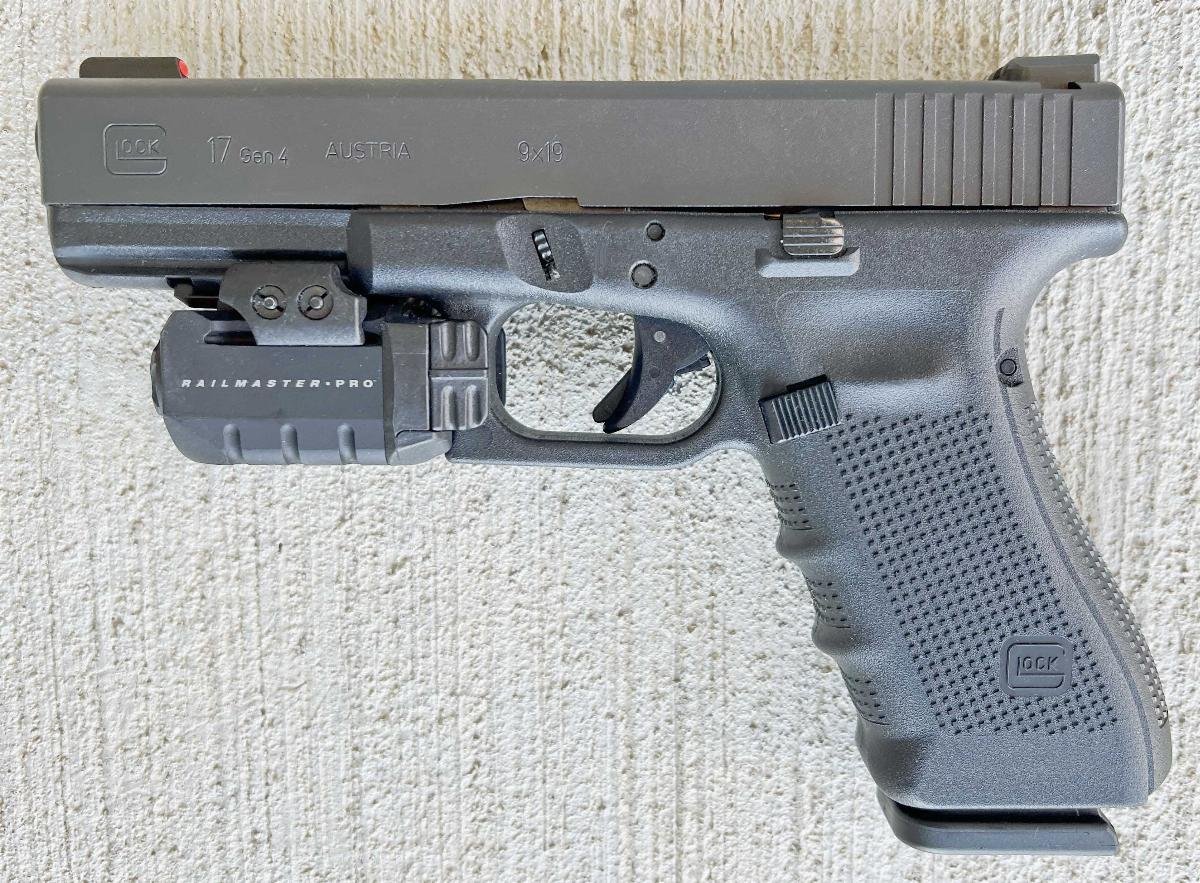
There are moments when the Second Amendment stops being an abstraction and becomes the difference between life and death. Early on the morning of August 3 in Rochester, New York, it apparently was exactly that.
According to reports cited by American Thinker, a homeowner on Avery Street was awakened before dawn by the sound of someone forcing their way into his house. By the time police arrived at roughly 4:30 a.m., the suspected burglar was dead in the kitchen — and the homeowner was reportedly ready to cooperate fully with investigators.
The sequence of events, as pieced together from news reports, began when a neighbor heard gunshots and called 911. The homeowner then placed his own call, telling dispatchers he had shot someone who broke into his residence. When Rochester Police Department officers arrived, they found the intruder inside the kitchen and pronounced him dead at the scene.
A citizen defended his home, his family, and his life. That is the Second Amendment working exactly as intended. But the fuller story — the one that ought to trouble every law-abiding New Yorker — is about the man who broke in, and the system that put him on the street to do it.
A familiar face to the criminal justice system
According to news reports, the suspected burglar was no stranger to law enforcement. He had previously been convicted of burglary. He had been released on parole. And sometime after that release, he decided to return to the business of crime — this time breaking into an occupied home in the middle of the night.
It is a story we have heard so often that it has become almost routine: an individual with a known criminal history is released back into society, and then proceeds to victimize the law-abiding. American Thinker columnist Silvio Canto Jr. frames the question bluntly: “We’ve heard this so often that it makes you wonder what some of these judges are thinking.”
Everyone supports the idea of second chances. Rehabilitation is a worthy goal and a cornerstone of a humane justice system. But there is a difference between giving someone a genuine opportunity to rebuild their life and releasing a convicted burglar to wander the streets where he can break into another person’s home — only to end up dead on their kitchen floor.
The tragedy in Rochester is that no one had to die. The homeowner should never have been forced to make that split-second decision in the dark. The burglar should never have been in a position to terrify a sleeping family. And the parole system, whatever its intentions, bore a direct responsibility for putting that man in that kitchen.
A young mother in New York City had no such protection
But for every homeowner who wakes up in time and has the means to defend themselves, there is someone who does not. Canto points to another recent case, this one in New York City, where a young mother was stabbed to death.
According to the column, the killer in that case did not have a prior criminal record. What she had, reportedly, was a state of mind that should have been more than enough to keep her away from the streets — and away from a young mother who had no weapon, no chance to fight back, and no way to protect herself from someone whose instability should have been flagged long before it turned lethal.
The contrast between the two cases could not be starker. In Rochester, a homeowner had a gun and lived. In New York City, a young mother had no means to defend herself and died. The system failed both of them — the Rochester homeowner by putting a known burglar back on the street, and the New York City mother by failing to recognize and act on the obvious danger of a mentally unstable individual.
The system fails the law-abiding first
It is easy to frame the debate over guns purely in terms of who gets to own them and what restrictions should apply. But the cases Canto highlights suggest a different lens: the system’s failure to restrain those who have already demonstrated they pose a danger.
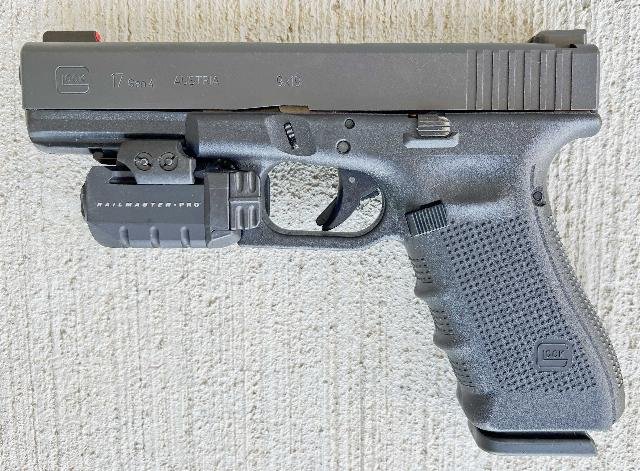
In Rochester, the law-abiding homeowner did everything right. He was sleeping in his own bed. He had not committed a crime. And when a convicted burglar came through his door, he was forced to make a choice that no one should have to make. He chose to defend himself — and thanks to the Second Amendment, he had the option to do so.
In New York City, a young mother was not so fortunate. She did not have the means to fight back against a killer whose mental state should have been grounds for intervention long before she crossed paths with him. Her death is a reminder that the right to self-defense is not just a constitutional abstraction. It is a practical matter of survival for those who find themselves face to face with someone who should never have been free to harm them.
Canto’s conclusion is a simple and direct one: “Cheers for the Second Amendment, and shame on the system that lets these people walk the streets.”
It is hard to argue with the sentiment. The homeowners and families who protect themselves are not the problem. The criminals and the dangerously unstable are. And the judges, parole boards, and mental health systems that release them into the community bear a responsibility that too often goes unexamined in the public debate.
The real conversation we should be having
When a convicted burglar is paroled and then breaks into a home, the question should not be whether the homeowner had a right to shoot him. It should be why a man with a burglary conviction was on the streets in the first place. When a mentally unstable individual stabs a young mother to death in New York City, the question should not be about the mother’s lack of a weapon. It should be about why our mental health and public safety systems failed to intervene before tragedy struck.
The Second Amendment, as the Rochester case demonstrates, provides a crucial last line of defense for the law-abiding. But it should not have to be the only line. A justice system that actually worked would keep violent offenders and the dangerously unstable away from the public — not release them to roam free until someone else becomes their victim.
For now, the law-abiding in America are left with what they have: the right to bear arms, and the responsibility to use them when the state fails to do its job. In Rochester, that right saved a life. In New York City, its absence cost one.
The difference between those two outcomes is worth remembering the next time someone argues that the Second Amendment is outdated, unnecessary, or irrelevant to modern life. For one homeowner in Rochester, it was the difference between living to see the sunrise and becoming another statistic.
Source: www.americanthinker.com — https://www.americanthinker.com/blog/2026/09/let-s-hear-it-for-the-second/