
The U.S. labor market delivered a stunning surprise in August, with employers adding 162,000 jobs — more than triple what economists had predicted. The unemployment rate remained unchanged at 4.1%, according to the latest report.
The blockbuster figure easily crushed the consensus forecast of just 53,000 new jobs, and the report also revised July’s weak numbers upward. What was initially reported as a loss of 23,000 jobs in July is now a gain of 21,000, painting a far rosier picture of the economy than previously understood.
Job gains were broad-based, led by education, manufacturing, construction, food service, and healthcare. Education led the way with 42,000 jobs added — a boost largely driven by teachers returning to payrolls as schools reopened for the fall semester, offsetting a decline in the previous month.
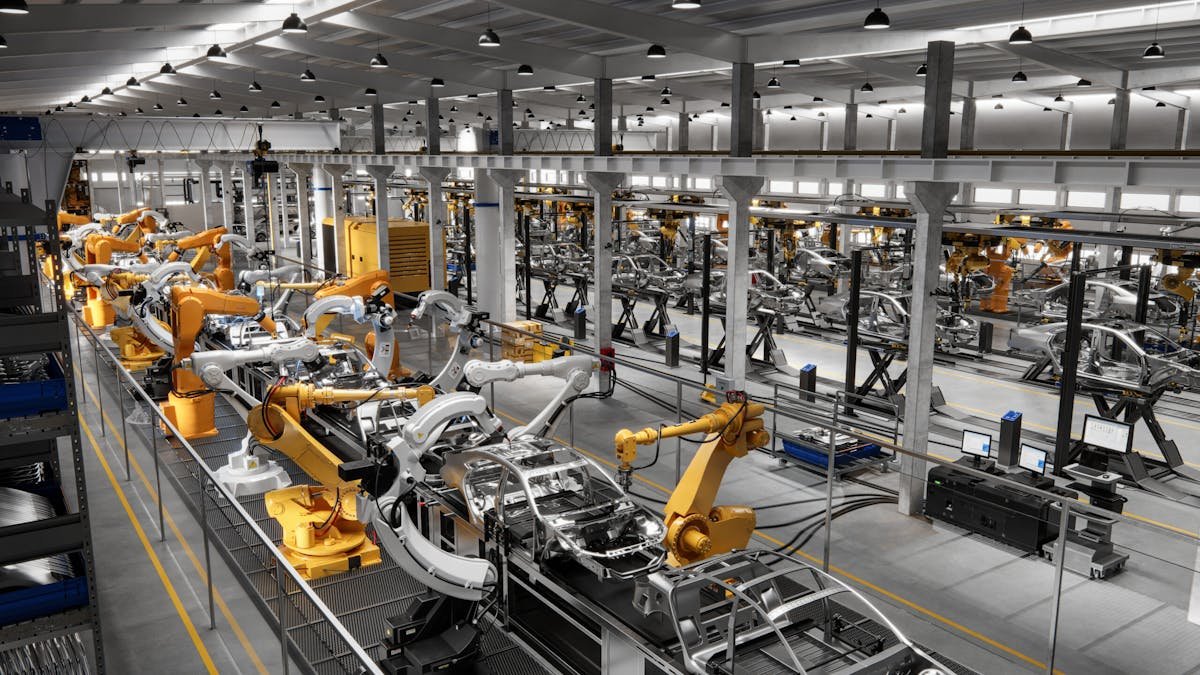
Manufacturing continued its upward trajectory, adding 16,000 jobs in August. Since December, manufacturing employment is up 58,000, signaling sustained strength in the sector. Construction also posted healthy gains, adding 22,000 jobs — extending its role as a key driver of economic growth. Historically, strong construction growth often precedes gains in manufacturing, and the two sectors together suggest a broader industrial revival.
Healthcare continued its steady climb with 13,000 new jobs, while the food and beverage industry surged by 59,000 positions, reflecting ongoing consumer demand.
Wages also ticked higher in August. Average hourly earnings rose 0.3% to $37.75, and over the past 12 months, wages are up 3.1% — a sign that workers are seeing some benefit from the tightening labor market.
Hassett: ‘A Really Blockbuster Number’
Kevin Hassett, director of President Donald Trump’s National Economic Council, did not mince words when reacting to the data on CNBC.
“This number was way, way better than I expected,” Hassett said. “We went back and looked and 77 people posted their forecast at Bloomberg, and this blew past everybody. … It’s really a blockbuster number.”
Hassett attributed the strong performance to Trump’s policy agenda, pointing to surging capital spending and factory construction.
“Capital spending is through the roof. It’s getting set to about double since President Trump took office relative to GDP, and you’re seeing the construction of factories through the roof,” he said.

He argued that the investment boom is a direct result of Trump’s tariffs pushing companies to onshore production, combined with tax changes that allow for full expensing of equipment purchases. Under the administration’s “Big Beautiful Bill,” businesses can deduct 100% of the cost of qualifying equipment in the first year of use — meaning a company that buys $1 million of new machinery can immediately reduce its taxable income by that full amount, rather than depreciating it over several years.
“The expensing is making people want to invest like crazy, which is creating construction jobs,” Hassett added.
Pressure Mounts on the Fed
The surprisingly strong jobs report could have major implications for monetary policy. Hassett suggested that the momentum might give the Federal Reserve cover to hold off on raising interest rates.
In his most recent statements, Fed Chairman Kevin Warsh has emphasized keeping a close watch on inflation. But Hassett noted that Warsh’s worldview mirrors that of former Fed Chairman Alan Greenspan: if growth is driven by supply-side factors, rate hikes may not be necessary.
“He thinks that you really got to keep your eyes focused like a hawk on inflation, and that if you’ve got growth that’s supply side, then it doesn’t necessarily mean you have to raise rates,” Hassett said. “It’s the same thing that Greenspan believed.”

The Fed’s next move will likely hinge on inflation data due out next week. The Consumer Price Index report is expected to be a key factor in the central bank’s decision-making. However, Trump isn’t waiting for those numbers to make his case.
On Truth Social Friday, Trump wrote: “Great jobs number just announced, breaking all estimates (except mine!). … Lower the interest rates because the U.S.A. is a much stronger credit than it was just a short time ago!”
Trump then pressured Warsh and the Board of Governors to “get smart” and “be patriots for change.”
The stakes are high. Roughly $10 trillion in federal debt is expected to mature during 2026, requiring the Treasury Department to refinance it. Lower borrowing costs would significantly reduce the government’s interest expenses as that debt is rolled over.
But the Fed must also weigh the risk that cutting rates could reignite inflation, which has remained above its 2% target for more than five years. The ongoing war with Iran has added to those pressures by driving oil prices higher. Warsh has repeatedly emphasized the central bank’s commitment to restoring price stability and cautioned against declaring premature victory over inflation.
For now, the August jobs report gives the administration plenty to tout. Whether it will be enough to sway the Fed’s next move remains to be seen.
Source: www.dailywire.com — https://www.dailywire.com/news/jobs-report-smashes-expectations-see-the-numbers