
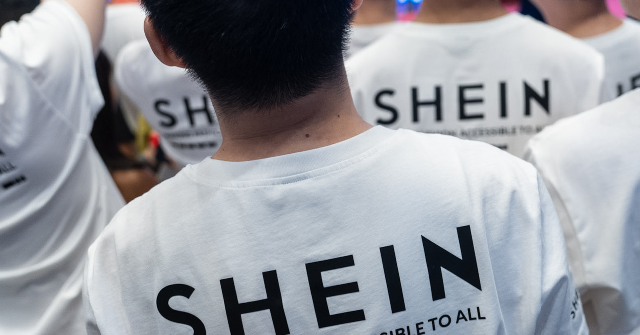
Shein finally made it to the stock market on Tuesday, but the reception was anything but warm. The Chinese fast-fashion giant, once privately valued at over $100 billion, saw its Hong Kong IPO price the company at just $26.5 billion — and shares have slid further with each passing session.
Market watchers described the debut as “flat” and “disappointing,” a stark comedown for a company that helped pioneer the online, bargain-basement retail model that reshaped global shopping. Shein’s formula — vast catalogs of ultra-cheap clothing, fast shipping, and loose customs rules for small packages — turned it into a powerhouse, but the shine has clearly worn off.
A Humbling Debut
On its first day of trading, Shein’s stock dropped 10% below its opening price and closed under that mark, according to Reuters. The decline continued over the next two days, with shares tumbling another 5.22% on Thursday to HK$43.6 — the third straight day of losses.
“I think the weak debut shows that even after the huge valuation reset, investors still don’t see Shein as obviously cheap,” Charu Chanana, chief investment strategist at Saxo Bank, told Reuters. She added that the stock remains overpriced given the “weak growth visibility and significant regulatory and trade risks” facing the company.
Reuters reported Tuesday that Shein had been “humbled by tariff and duty changes in the U.S. and Europe,” which created “investor concerns about setbacks that have undermined the company’s competitive advantages.”
Trade Policy and Regulatory Headwinds
The core of Shein’s troubles lies in shifting trade policies. President Donald Trump’s administration moved to end the tax exemptions that allowed a flood of low-value parcels from China to enter the United States duty-free — a lifeline for Shein’s business model. Similar policy changes followed in the UK and Europe, erasing the price advantages that made consumers willing to overlook the company’s ethical baggage.
Those ethics have drawn increasing scrutiny. Shein and its rival Temu have faced criticism over the use of forced labor in China to keep prices low, as well as predatory treatment of suppliers. Some products, particularly those aimed at children, have been flagged as not just shoddy but outright dangerous.
The Chinese government itself reportedly had qualms about the IPO, with regulators nervous about scrutiny of Shein’s use of products from the Xinjiang region — known in Chinese state media as East Turkistan to separatist sympathizers, but internationally as the epicenter of allegations of Uyghur oppression and forced labor.
Four Years in the Making
Shein’s road to the public markets took four years, with struggles against regulators in both China and the West at every turn. The company finally listed on the Hong Kong Stock Exchange, but the timing could hardly have been worse, with investor sentiment souring on Chinese tech and retail stocks amid geopolitical tensions.
Spin from State Media
China’s state-run Global Times tried to put a positive gloss on the dismal numbers Thursday, arguing that “the retailer’s distinctive China-based industrial supply-chain and large global user community continue to stand as key competitive assets.”
But even that outlet had to concede the obvious: quoting analysts who said the end of special tax exemptions for micro-shipments in the U.S. and Europe wiped out the price edge that drove Shein’s appeal. The paper also reported the stock’s continued slide, a rare admission of bad news for a state media organ.
What’s Left of Shein’s Edge
Despite the setbacks, Shein retains one big advantage: its ability to “quickly iterate and deliver products,” creating a “high frequency” of new item launches that rivals struggle to match, per Global Times analysts. The company still offers millions of items, with a restock cycle of under a week for bestsellers — an operational feat that helped define the fast-fashion boom of the early 2010s.
But whether that’s enough to justify its valuation is another question. The failed IPO undercuts Shein’s expansion plans, which relied on using fresh capital to purchase brands and dramatically broaden its product range. Its first announced acquisition target is U.S. apparel brand Everlane, which runs its own successful fast-fashion business without the morally questionable labor advantages that underpin Shein’s model.
Everlane reportedly caught Shein’s attention for that very reason — a rare instance of a Chinese e-commerce giant seeking to buy its way into a cleaner reputation.
War Chest, But Waning Enthusiasm
Shein still has a sizeable war chest — $15 billion in cash on hand, plus $1.74 billion raised from the IPO. But the company clearly expected far more from its stock offering, and the weak debut could make potential acquisition targets hesitant to sign on with a brand in decline.
As Chanana suggested, even after the valuation reset, investors aren’t convinced Shein is a bargain. The next few weeks will show whether the stock stabilizes or continues its slide — and whether the company’s ambitious acquisition plans can survive the market’s chilly reception.
Source: www.breitbart.com — https://www.breitbart.com/economy/2026/09/04/chinese-fast-fashion-giant-shein-gets-crushed-in-market-ipo/