
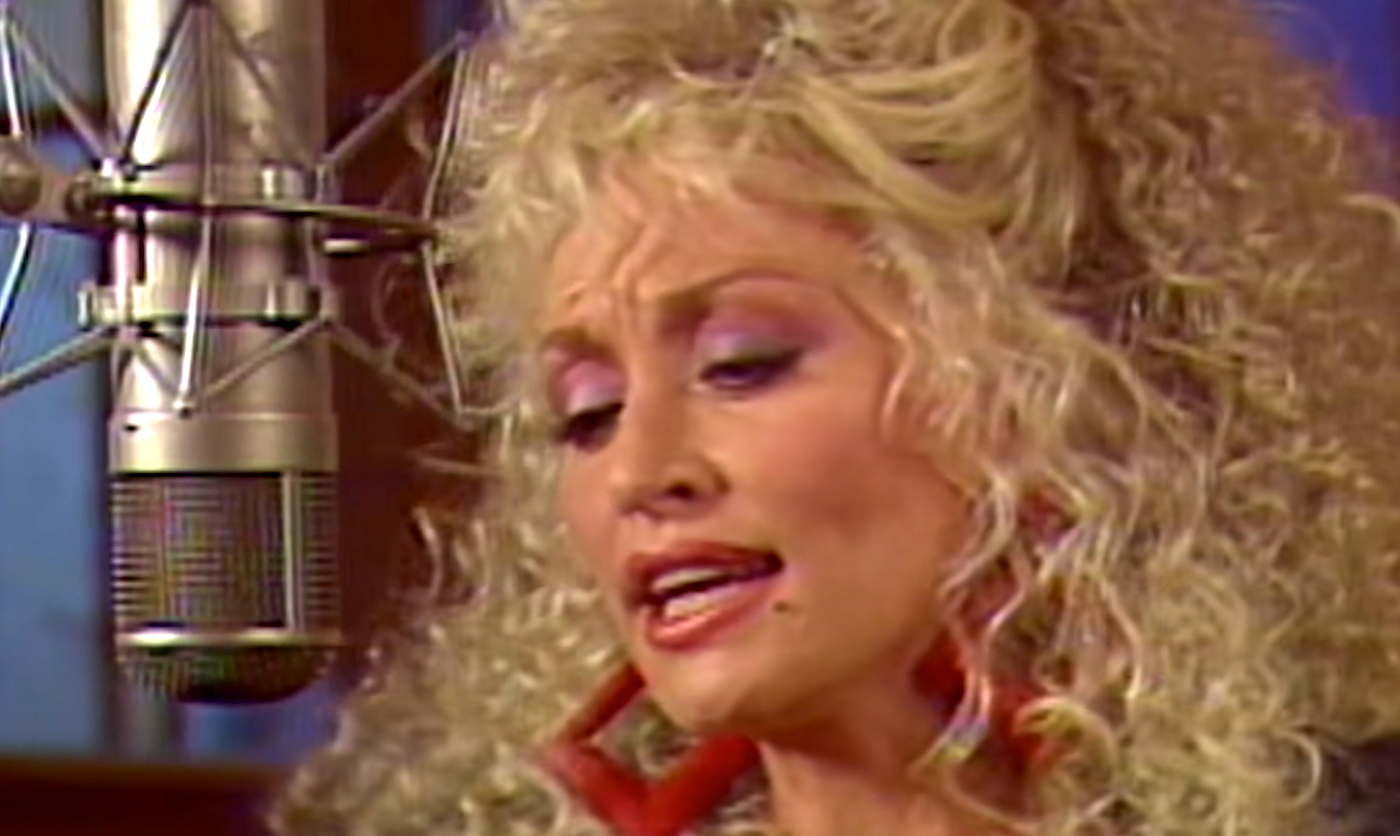
The past week dealt a heavy blow to fans of film, music, and pop culture. Within 48 hours, the world lost three entertainment titans: country music legend Dolly Parton, actor Tim Curry, and voice actor Peter Cullen. While their deaths would be hard to process at any time, the loss feels especially acute now because, as The Federalist argues, there are no obvious successors waiting in the wings — and the system that once groomed them has all but vanished.
A Trio of Icons, Gone
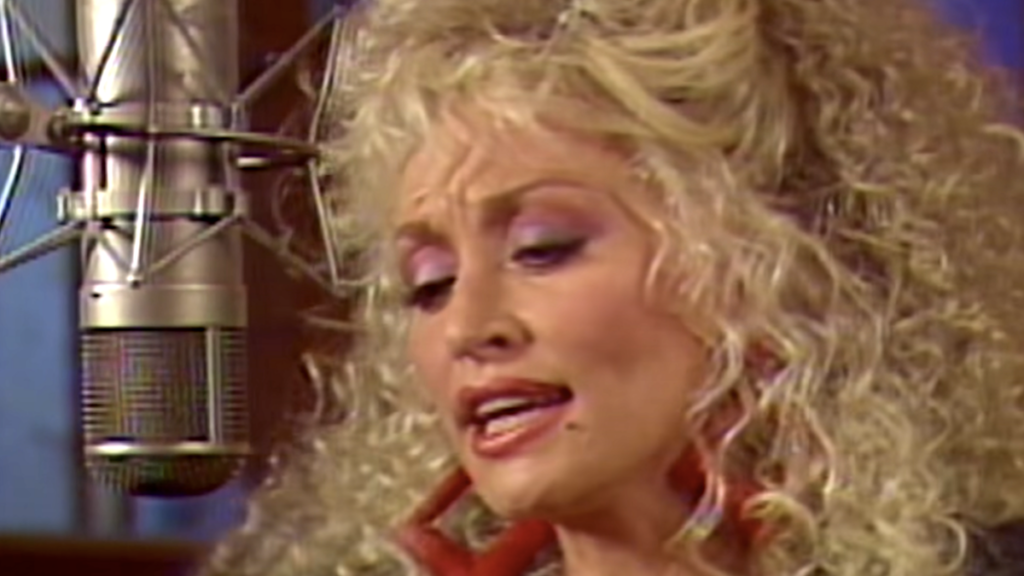
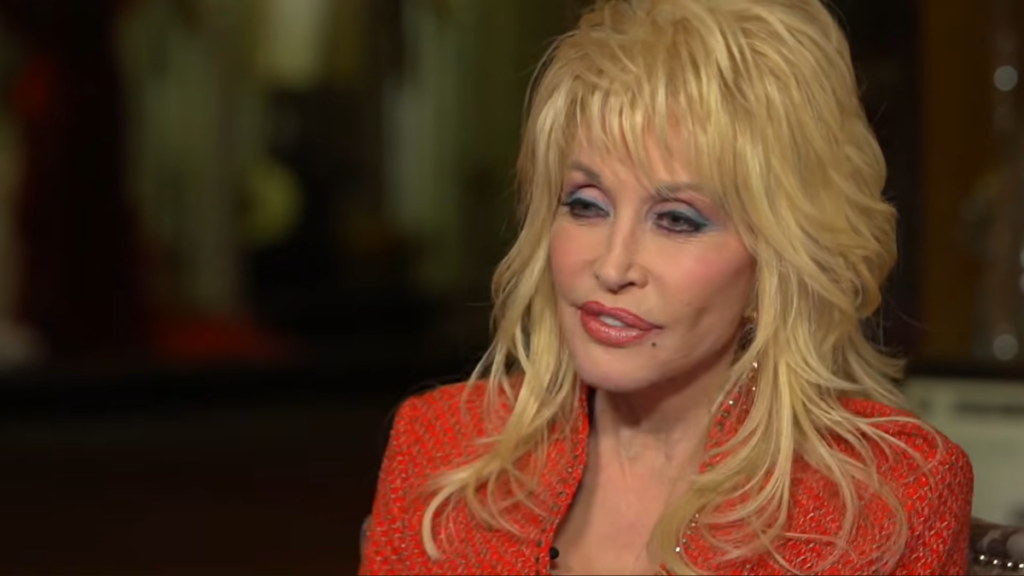
Parton, who died last week, was far more than a country music star. She was an American icon in the mold of John Wayne — an embodiment of the nation’s spirit and values. Her songs, from ‘Jolene’ to ‘I Will Always Love You,’ became part of the cultural fabric, and her larger-than-life persona made her beloved across generations and political lines.
Tim Curry, meanwhile, represented a dying breed of character actors. He could hold his own opposite Kermit the Frog in The Muppet Movie or trade barbs with Sean Connery in The Hunt for Red October, seamlessly shifting between comedy, drama, and horror. His roles in The Rocky Horror Picture Show, Legend, and Clue made him a cult favorite and a fixture of 1970s and ’80s cinema.
Peter Cullen, perhaps the least publicly recognized of the three, was nevertheless a generational touchstone. As the voice of Optimus Prime in the original Transformers cartoon and the live-action films directed by Michael Bay, Cullen gave voice to heroism itself. According to The Federalist, his return to the role was a significant reason why Bay’s blockbuster adaptations succeeded with audiences.
The Lost Art of Succession
Discussing ‘successors’ can seem reductive, as if reducing human beings to interchangeable products. But as The Federalist notes, grooming successors was once an iron law of Hollywood. Film historian Denis Gifford wrote in his 1973 book The Pictorial History of Horror Movies that every star needed a successor — and the industry operated on that principle for decades.
The horror genre offers some of the clearest examples. When Lon Chaney Sr., the first true horror star, left Universal for MGM, the studio didn’t flounder. It brought in Conrad Veidt, best remembered as Major Strasser in Casablanca, to star in The Man Who Laughs. Later, director James Whale discovered an unknown bit player named Boris Karloff and cast him in Frankenstein. Karloff went on to rule horror for two decades, and his own eventual replacement came in the form of Vincent Price and Christopher Lee.
The practice extended to every genre. When silent-screen idol Rudolph Valentino went on strike, Paramount found a substitute in a young Jacob Krantz, who was rebranded as Ricardo Cortez with a fabricated European noble pedigree. After Valentino’s death in 1926, Cortez was among the leading men slipped into his place. In the 1950s, 20th Century Fox groomed not one but two potential replacements for Marilyn Monroe: Sheree North, whom the studio put on the cover of Life magazine, and Jayne Mansfield. Errol Flynn succeeded Douglas Fairbanks. Burt Lancaster succeeded Flynn. Lana Turner was positioned to replace Jean Harlow.
How the System Worked
This wasn’t just cold corporate logic. As The Federalist notes, the practice mirrored how professions have long perpetuated themselves. Renaissance artists trained by copying their masters’ works, with apprentices assigned specific figures in new paintings — Verrocchio’s studio operated almost like an assembly line. The theory was that imitation would teach technique, and that individual flair would eventually emerge.

And the system delivered. Stars came from all walks of life — Lana Turner was discovered at the Top Hat Malt Shop — and the output ranged from competent programmers to genuine masterpieces. In 1984 alone, Hollywood released The Terminator, Ghostbusters, and Indiana Jones and the Temple of Doom. That kind of cornucopia seems impossible today.
What Went Wrong
So how did Hollywood go from that abundance to its current state? The Federalist points to several factors. One is the near-total abandonment of popular movie genres. Substack writer George MF Washington, who The Federalist says knows the movie business inside out, wrote earlier this year that the kind of action films that made stars of Bruce Willis, Sylvester Stallone, and Chuck Norris were dropped by Hollywood — not because they stopped being profitable, but because they no longer fit the ‘broken framework’ of modern studio economics and cultural calculations.
According to Washington, a large part of that broken framework involves what he describes as an ‘unabashed hatred of men,’ with studios prioritizing ‘equality’ in a way that cuts men down. He links this to the #MeToo movement’s evolution into what he calls ‘Believe All (leftist) Women’ — a phrase that, in his view, really means ‘Suspect All Men.’
The same fate befell old-style romantic comedies like Pretty Woman, The Holiday, My Big Fat Greek Wedding, and Return to Me. These films, The Federalist says, are now considered verboten because they allegedly violate the Bechdel Test — a metric that was originally intended as a joke. The result is that ‘programmers’ — inexpensive films with built-in audiences that were almost guaranteed to make money — have died out. As an example, Die Hard was a programmer that launched Bruce Willis and Alan Rickman to stardom. Without such films, there’s no space to discover new talent.
The Current State of Cinema
Even when movies do get made, they often fail to connect with audiences. The Federalist points to recent high-profile releases as evidence. One Battle After Another, which won Best Picture at the 2026 Oscars, is described as a ‘violence-glorifying screed about white supremacy and illegal aliens.’ The End of Oak Street supposedly features Anne Hathaway ‘girlbossing against dinosaurs while her loser husband gets eaten.’ And the Star Wars sequels and the fifth Indiana Jones film turned beloved childhood heroes into ‘sad, broken, old men.’
The Social Media Factor
Even if Hollywood hadn’t dismantled its star-making machinery, The Federalist suggests that the industry might still struggle because social media has stripped away the mystique that once surrounded celebrities. Fans can now see their idols without any ‘tinsel’ — and what they see isn’t always pretty. The article cites examples like Sean Penn admitting he had a voodoo doll of Ann Coulter, Marina Sirtis saying that Texans freezing to death was them getting what they voted for, Mark Ruffalo claiming he can’t be friends with Jewish actors unless they cheer on antisemitic terrorists, and Andrew Garfield treating J.K. Rowling like Voldemort over her views on transgender issues.
A Cultural Loss
The Federalist concludes on a somber note: ‘Thank God movies and records made Dolly, Curry, and Cullen immortal — because the odds are not in our favor that we will see the likes of their entertainment for a while.’
For readers who mourn these icons, the article implies that the problem isn’t just the loss of three remarkable individuals — it’s that the industry that once produced such figures is no longer structured to create their successors. The question is whether Hollywood can rebuild the pipeline that gave us Chaney, Karloff, Monroe, and ultimately Parton, Curry, and Cullen. As of now, the answer seems to be no.
Source: thefederalist.com — https://thefederalist.com/2026/09/04/why-hollywood-has-no-successors-for-dolly-curry-or-cullen/