
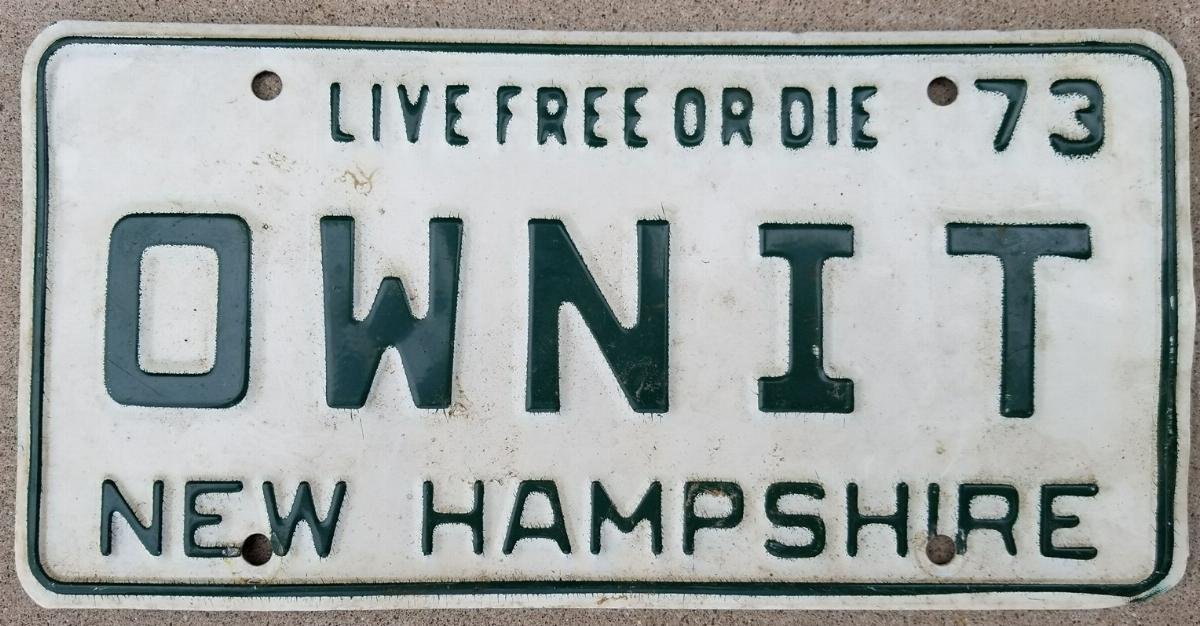
New Hampshire’s motto, “Live Free or Die,” adopted in 1945 as World War II neared its end, has long symbolized the state’s commitment to individual liberty over submission to tyranny. But a Democratic Senate candidate is now testing how far that commitment stretches, with a platform that critics say would centralize control in Washington in ways the Granite State has historically resisted.
Karishma Manzur, running in the Democratic primary for U.S. Senate, has rolled out a series of proposals that she says will tackle housing, healthcare, education, and climate change. But according to a column by Chris Talgo, editorial director at The Heartland Institute, published on American Thinker, Manzur’s agenda represents “a control freak of the highest order” — a wholesale embrace of democratic socialism that treats citizens as unable to make their own choices.
Talgo, writing in a sharply critical opinion piece, draws a direct line from Manzur’s policy positions to what he calls the “tyranny” of centralized planning. “Democratic socialism should certainly be categorized as tyrannical,” he argues, “because it absolutely seeks to control individuals in a very unfair way.”
Manzur’s housing plan: Taking homes off the private market
At the heart of Manzur’s campaign is a housing proposal that would have the federal government “rapidly build sustainable, affordable housing, including workforce and social housing permanently off the private market.” She envisions expanding the construction industry to deliver large numbers of social housing units “efficiently and through unionized, prevailing-wage jobs.”
To Manzur, this is a straightforward answer to the nation’s housing crisis. But Talgo contends it’s far from simple. Such a plan, he writes, would remove a massive swath of housing from the private sector, giving government bureaucrats — not individuals — control over where and how Americans live. He argues this one-size-fits-all approach ignores the record of centralized planning, which he says has “such a stellar record of success” only sarcastically.
Healthcare, education, and the cost of living
Manzur’s broader cost-of-living agenda includes “universal childcare,” stopping “utility price gouging,” and cracking down on “corporate price gouging by big food companies.” Talgo dismisses these as “socialist slogans” that won’t lower costs but will expand federal reach.
On healthcare, Manzur endorses “a single national healthcare plan” where the government “guarantees healthcare” with “no premiums, no deductibles, and no surprise bills.” Talgo warns, however, that such a system would leave individuals with no say over their own medical care. “If the government is paying for all health care, the government decides who gets access to treatments, services, medications, and when or if they do,” he writes.
Education is another battleground. Manzur supports “equitable funding of public schools” and free college, while opposing federal school voucher bills. In Talgo’s view, this strips parents of influence over their children’s schooling, ceding that authority to Washington despite education being “historically a state and local issue.”
Manzur also pushes for a mandate that all Americans drive electric vehicles, framing it as part of a “clean and renewable energy transition that protects our climate and supports jobs and economic growth.” Talgo argues this would prevent individuals from purchasing the appliances or vehicles that best fit their needs.
A clash of visions for New Hampshire
Manzur, for her part, says she “believes in a government that is strong” and “centered” on what she calls the “common good.” That philosophy, Talgo contends, stands in direct opposition to the government the Founding Fathers established — and to the ethos of New Hampshire itself.
“The worst of evils, one can argue, is tyranny,” Talgo writes, invoking the motto’s full meaning. “Death Is Not the Worst of Evils.”
As the state with the motto “Live Free or Die” prepares to choose its next senator, the question is whether voters in the primary will see Manzur’s platform as a solution to modern problems or as a dangerous step toward exactly the kind of centralized control that motto was meant to resist. Talgo makes his position clear, arguing that most Americans “long to live free because they know that death is not the worst of evils.”
The primary is still ahead, and Manzur’s campaign will likely continue to make the case that her brand of government intervention is what Granite Staters need. But for now, the debate over whether New Hampshire will “submit to socialism,” as Talgo frames it, is squarely on the table.
Source: www.americanthinker.com — https://www.americanthinker.com/blog/2026/09/will-the-live-free-or-die-state-submit-to-socialism/