
For all the bipartisan noise about cancer moonshots, the latest milestone in the fight against the disease didn’t come from a government program. It came from American entrepreneurship.
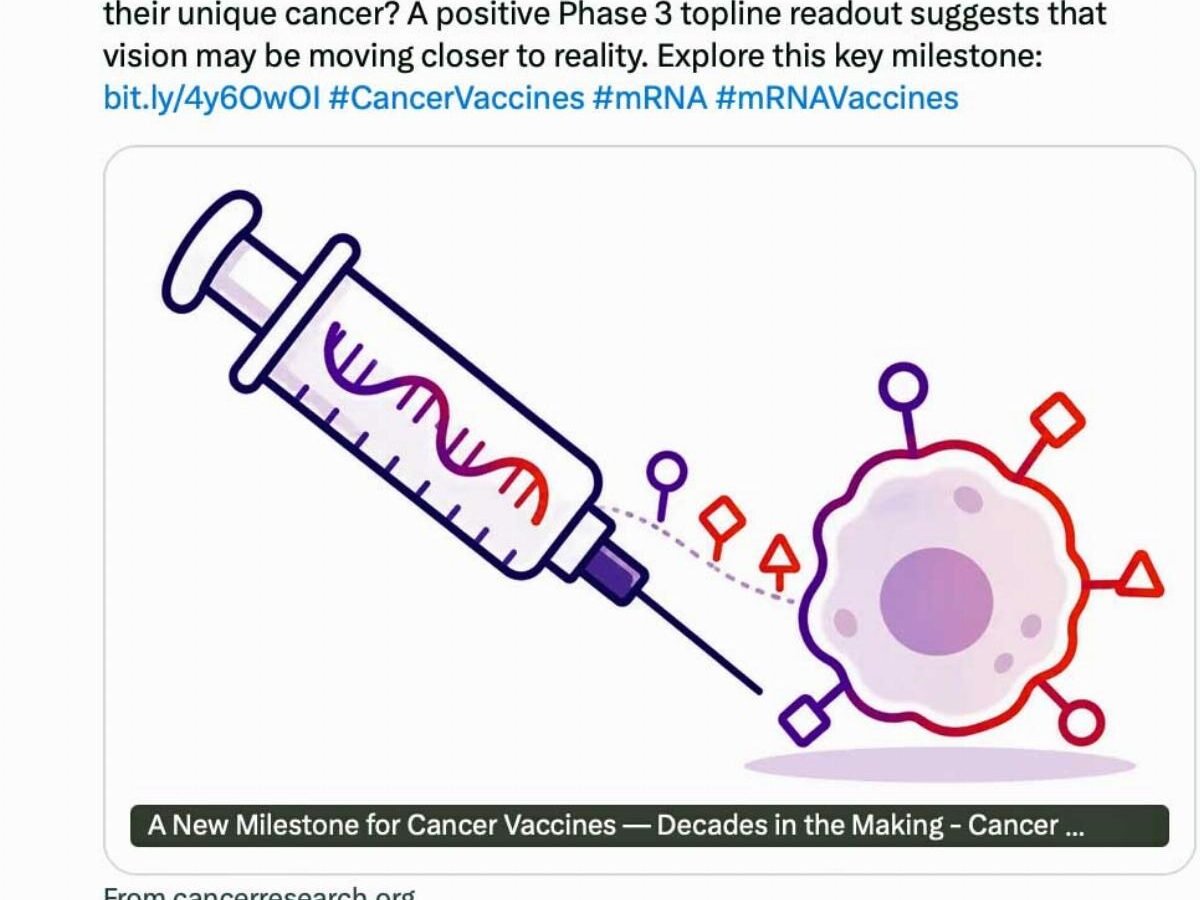
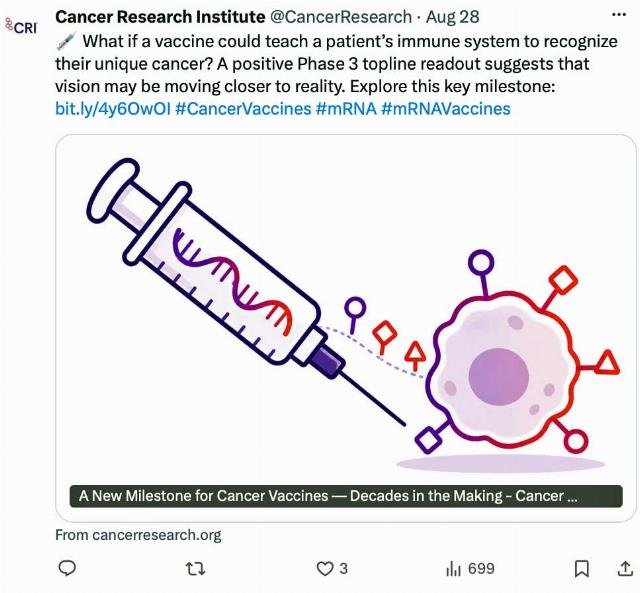
As reported by American Thinker, positive late-stage trial results were recently announced for a personalized mRNA treatment for melanoma, the deadliest form of skin cancer. The therapy, developed by two American companies, was shown — when combined with immunotherapy — to help keep survivors in remission longer and to reduce the risk of the cancer spreading to other organs.
The breakthrough matters not only for the thousands of Americans who survive melanoma each year and live with the fear of recurrence. Researchers are now studying the same approach against other cancers, and experts project that mRNA treatments could eventually extend to lung, breast, and pancreatic cancer.
But the same political forces that have stalled federal progress on cancer for decades may now be turning against the very technology that just delivered this historic win. State-level bans and restrictions on mRNA technology — the tools that made the melanoma breakthrough possible — have been advancing in recent years, and the stakes could not be higher.
Why the private sector delivered what government couldn’t
Cancer has long been framed as a cause that transcends partisan divides. Democrats and Republicans alike have promised moonshots, but the federal government’s record on delivering breakthroughs has rarely matched its rhetoric, according to American Thinker.
What the latest success shows is that the real engine of medical progress in America is not the bureaucracy — it’s the market. The melanoma treatment was developed by companies that invested money, resources, and manpower over a decade of research, driven by the gap in the market for innovative cancer approaches. That kind of giant leap of faith, American Thinker argues, is only possible in an economy that rewards risk-taking and entrepreneurship.
The economic stakes are just as significant as the health stakes. Industry-sponsored clinical trials bring states about $60 billion annually in economic activity, according to the report, and help keep manufacturing on American soil. The broader U.S. biotech sector supports nearly 5 million jobs and contributes more than $1.65 trillion to the economy.
Those figures offer a reminder that medical innovation is not just a matter of compassion — it’s a pillar of American competitiveness.
Losing the global race for biotech leadership
Despite the recent win, America is not guaranteed a leading role in the next era of medicine. Other nations, including economic adversaries, are hosting more clinical trials, conducting more research, and scaling manufacturing faster than the United States, according to American Thinker.
Whichever country develops the next generation of cancer treatments will likely shape global health for generations and collect the economic rewards that follow. The mRNA melanoma breakthrough gives America an edge — but only if policymakers don’t squander it.
American Thinker warns that state-level prohibitions on mRNA technology would outlaw the very tools that make these breakthroughs possible and slow down American dominance. Lawmakers who are serious about winning the global biotech race, the piece argues, should embrace cutting-edge technology and adopt policies that facilitate the work of private companies advancing cancer research.
The choice ahead
Curing cancer has long been an empty campaign promise. But now, with real breakthroughs within reach, the question is whether America’s political class will get out of the way or stand in the way.
“We’re simply too close to making the impossible happen to self-sabotage,” the piece concludes.
For decades, the federal government talked about moonshots. Private companies just landed one. The next step — whether to let them keep flying — is a decision that belongs to lawmakers in statehouses and in Washington.
Source: www.americanthinker.com — https://www.americanthinker.com/blog/2026/09/america-s-cancer-breakthroughs-need-an-open-market/