
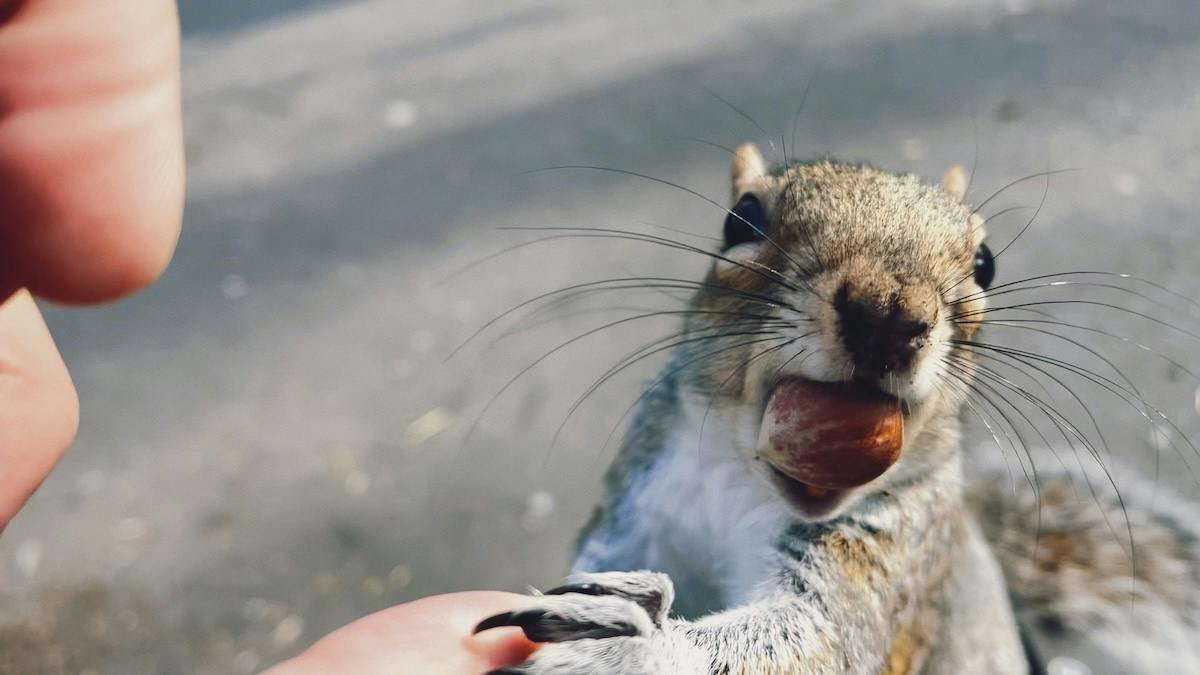
SPRINGDALE, Ark. — The World Champion Squirrel Cook-Off began not as a festival or a tradition, but as a lie told to television producers who had the wrong idea about Arkansas.
According to a first-person account in The Daily Wire by writer Rich Cromwell — who produces the Cookin’ Up a Story podcast and lives in Northwest Arkansas — the event’s founder, Joe Wilson, was approached by TV representatives interested in a segment about living off the grid and prepping. Wilson does not do either. Rather than correct them, he invited them to the World Champion Squirrel Cook-Off. There was just one problem: it didn’t exist. With three weeks to spare, he willed it into existence.
Cromwell, who has heard multiple versions of the origin story (one involves the Travel Channel and an episode of “Bizarre Foods”), notes that fellow Southerners would have spotted the tall tale immediately. The producers didn’t. The cook-off has since become a real thing — and, as of Sept. 12, 2026, a 15-year-old institution.
From Bentonville Square to Springdale
The gathering has moved from its smaller original location on the Bentonville square to the J.B. and Johnelle Hunt Family Ozark Highlands Nature Center, an Arkansas Game and Fish Commission facility in Springdale. This year, Cromwell reports, 27 teams competed and more than 5,600 attendees showed up. Visitors came from 15 states and at least one from across the Atlantic.
What brings them? Squirrel — sometimes called “limb chicken” — in chili, gumbo, bacon ranch pizza, and birria, though competition dishes are reserved for judges. Some teams cook extra. Others bring raccoon, bear, beaver, or groundhog just for the love of it. Volunteers also fry catfish and make chicken tacos for those less adventurous.
Admission is free. So are samples, catfish, and tacos. Many attendees know they’ll never taste the competition dishes, and they come anyway.

The Real Reason, According to the Founder
Cromwell writes that the contest itself exists merely to complete the lie. The real purpose, in Wilson’s words, is that “we need bigger tables and smaller fences.” The event, Cromwell argues, is all about bigger tables and smaller fences — no tickets, no gatekeeping, just thousands of people together.
There are side competitions, too. Anyone can try the world’s hottest squirrel, assuming they’re willing to sign a waiver. Cromwell says he spent hours rounding up 10 people willing to put their pain receptors on the line. Afterward, as winners and losers poured water on themselves and made sure they wouldn’t actually digest the hot squirrel, the waiver didn’t seem so crazy. The final sauce, he notes, included chocolate primotalii pepper — perhaps a bit much, but doing things halfway isn’t Wilson’s style.
A Helicopter, a Funeral, and a Trophy Bust
The newly christened Clifton Jackson Squirrel Skinning Competition is named for a biologist with Arkansas Game and Fish who has been instrumental to the cook-off and won the first four cleaning competitions. Jackson lives in Little Rock and had a funeral to attend Saturday morning. Wilson couldn’t let him miss the event being renamed in his honor, so he put out a call. A friend of the cook-off and podcast arranged a helicopter to fly Jackson from Little Rock to Springdale. The pilot did a flyover before landing in a nearby field so Jackson could be driven in for the naming ceremony and to defend his title.

He came in second. The trophies were busts of Jackson, and Cromwell writes that he sees himself in the mirror every morning. Jackson congratulated the winner, smiled, gave interviews, and grabbed his prize on the way out — but forgot the large bust Wilson had made for him. It will decorate the podcast studio until he claims it.
First place in the main cook-off went to a crew from Cromwell’s hometown of Pine Bluff, Arkansas, who made squirrel gumbo. It was delicious, he writes. Squirrel, being small and lean, is best served in dishes where the meat falls off the bone. Wilson’s preferred preparation is a confit.
Perceptions and Reality
Wilson is not a native Arkansan; he’s originally from rural California. He may love Arkansas and call it home, but his dog in this hunt is an adopted one. Cromwell uses that to make a broader point: It may be 2026, but perceptions about the South persist. The reality, he writes, is that most Arkansans — particularly in the northwest corner — are more likely to go to a restaurant or Walmart for dinner than to head into the woods. Squirrel isn’t usually what’s for dinner.
Wilson could have educated the TV folks about that. Instead, he practices the small fence-big table ethos he preaches, even if he tells some lies from time to time. As Cromwell puts it, in the words of George Costanza, it’s not a lie if you believe it. George’s goals were often ignoble. Joe’s are about lifting people up. He believed his lie and made it a truth.
That the people who believed the lie had no idea how much they were underestimating the region is immaterial, Cromwell writes. Arkansans are accustomed to being underestimated — except when it comes to the size of their tables.
Rich Cromwell is a writer living in Northwest Arkansas. He produces the Cookin’ Up a Story podcast and can be followed on X at @rcromwell4. This article is part of Upstream, The Daily Wire’s home for culture and lifestyle.
Source: www.dailywire.com — https://www.dailywire.com/news/the-wild-southern-tradition-that-started-with-a-made-up-story