
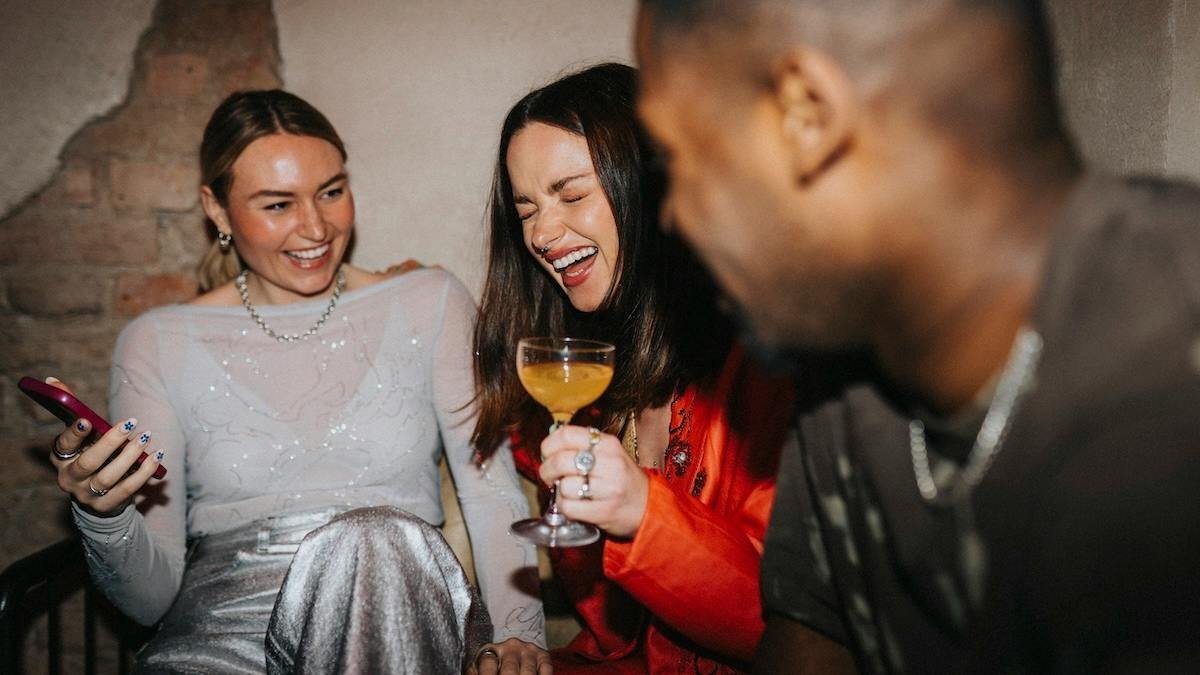
A Daily Wire essay published this week makes a case that runs against the grain of contemporary wellness culture: The best remedy for Generation Z’s widely documented social struggles may be the neighborhood bar, not run clubs, mocktails, or fitness meetups.
The piece, written by a 21-year-old self-identified “Zoomer” for the outlet’s Upstream lifestyle vertical, opens with a moment many young adults will recognize — a coffee meeting with an older editor who remarked that “barely any of these Gen Z kids know how to make eye contact, let alone hold a conversation.” The writer notes that the same observation has come from teachers, coaches, and coworkers, and that he has watched peers, and at times himself, dodge even a wave hello in a hallway.
The author traces the root of that paralysis to the COVID-19 pandemic, which hit during his freshman year of high school. “Gen Z lost more than half a decade of authentic social interaction,” he writes, arguing that lockdowns and “pandemic pandemonium” played a major role in producing what he calls his generation’s social paralysis — while conceding young people are “certainly not blameless.”
The Numbers Behind the Stare
The essay cites a range of data points to argue the problem is real and measurable. A 2025 Harris Poll found that 65 percent of Gen Zers say they had to relearn social skills after pandemic restrictions were lifted, compared with just 22 percent of Boomers. A recent Canadian survey, the writer notes, found 52 percent of Gen Z reported a decline in social skills following the pandemic.
The downstream effects, according to the piece, extend into the workplace. A new Workday report found Gen Z employees are 12 times more likely than their Gen X colleagues to feel completely disconnected from coworkers, citing distrust and a lack of substantive conversation. And dating apps — once seen as a Gen Z staple — are losing their grip: about 79 percent of Gen Z users report dating app burnout, per a Forbes Health survey cited in the essay.
Rather than dwelling on the statistics, the writer points to what he calls the “Gen Z Stare” — a blank, disengaged look he says anyone who has encountered it needs no data to understand. The common thread across work, dating, and the rise of parasocial relationships, he argues, is a craving for real community.

Why Not Run Clubs?
The essay takes direct aim at the alternatives increasingly favored by health-conscious young adults. Several studies have found that Gen Z drinks “differently” than previous generations, the writer acknowledges, swapping cocktails for mocktails and Thursday keggers for run clubs. He frames it as a wellness-driven shift and says he is not casting shade — but he questions whether those settings actually build the skills the generation is missing.
“Run clubs and fitness circles will never match the social design of bars,” he writes, adding that the last thing he wants to do after a run is socialize, and venturing that he is not alone in that. “Conversations begin at a barstool, not a starting line,” he argues.
The writer also pushes back on the idea that any intoxicant will do. He cites a PubMed study finding that frequent marijuana use, but not alcohol, is linked to higher levels of loneliness and psychological distress — a point he uses to distinguish between casual drinking and other habits popular among young adults.

His case for alcohol rests less on heavy consumption than on moderation and its social effects. Slight alcohol consumption, he writes, provides disinhibiting benefits that reduce social anxiety, and research suggests a drink makes people more inclined toward a happy, talkative environment. That “liquid confidence,” in his telling, sparks conversations that would never happen over text and creates a reason to return the following week.
He is careful to add a caveat: “I’m not suggesting every person struggling with community needs to drink,” only that a few casual drinks with friends can build social confidence in ways other proposed remedies fall short.
A Cultural Argument, Not Just a Personal One
The essay leans heavily on pop-culture touchstones to make its case, invoking the bar-centered friendships of “How I Met Your Mother” and “New Girl.” The writer argues that a standing pub habit would not only ease social tension but push young people toward ordinary human encounters — getting to know a coworker better, or buying someone a drink in person instead of tracking them down on Hinge to avoid the conversation.
The piece closes on a personal note: The next time the writer meets that editor, he suggests, it might be over a cold one rather than a coffee.
The essay ran as part of Upstream, which The Daily Wire describes as its new home for culture and lifestyle coverage featuring “real human insight and human stories.”
Whether the argument lands with its target audience remains to be seen. Public health guidance has increasingly emphasized the risks of any alcohol consumption, and a growing sober-curious movement among young adults has made bars a less automatic social default than they were for previous generations. Still, the essay taps into a broader, bipartisan conversation about loneliness and the erosion of in-person community — a conversation in which the proposed solutions, from run clubs to religious congregations to third places of all kinds, remain fiercely contested.
Source: www.dailywire.com — https://www.dailywire.com/news/gen-z-has-forgotten-how-to-socialize-the-cure-isnt-run-clubs-its-the-local-bar