
A new Netflix miniseries adaptation of John Steinbeck’s “East of Eden” is drawing sharp criticism from cultural commentators who say the production strips the novel of its moral force by recasting one of American literature’s most chilling villains as a figure deserving of understanding rather than condemnation.
In a Daily Wire essay published this week, writer Liza Libes argues that the streaming giant’s decision to reimagine Cathy Ames — the novel’s central embodiment of evil — as a sympathetic character reflects a broader cultural retreat from the very idea of objective good and evil.
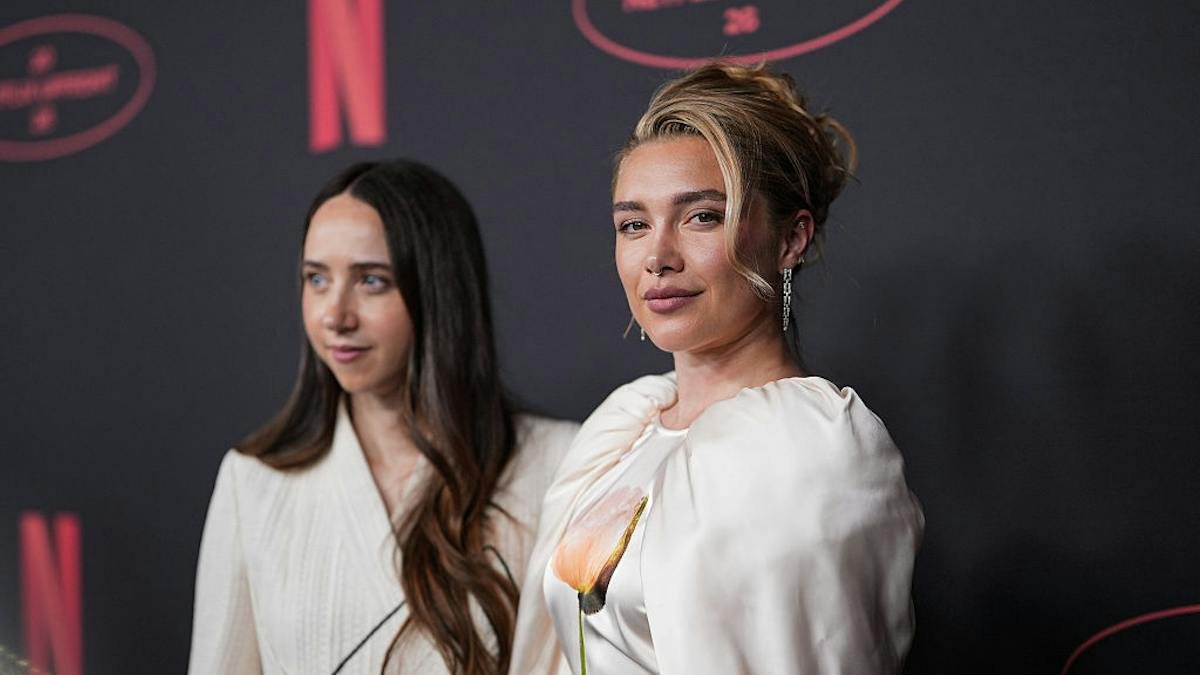
The controversy centers on comments from Florence Pugh, who plays Cathy in the new series, and writer Zoe Kazan. In an interview with The Atlantic, Pugh said Kazan “wasn’t interested in making [Cathy Ames] just a monster.” Speaking to Good Morning Washington, Kazan explained her approach: “I’m just really curious about, like, well, what if we think of her not as the embodiment of evil but as a person who does really bad things? And I think we learn more about ourselves if we don’t think about evil people as being that different from us.”
Libes contends that this creative choice directly contradicts Steinbeck’s intent. She notes that the author introduces Cathy with the line, “I believe there are monsters born in the world to human parents,” and that the character goes on to commit a series of horrific acts — including burning her parents alive at age 16. In a letter to a friend, Steinbeck reportedly described Cathy as “a total representative of Satan.”

A Broader Cultural Pattern
The essay situates the “East of Eden” adaptation within a wider trend of Hollywood productions that blur moral lines in classic literature. Libes points to recent adaptations including a 2026 “Wuthering Heights” film, Christopher Nolan’s “Odyssey,” and Greta Gerwig’s forthcoming “Narnia” project, which has drawn attention for casting Meryl Streep as the voice of Aslan.
She quotes Ben Shapiro, who wrote of the “Narnia” production that “we have moved beyond a pure and innocent love for our basic civilizational principles.”

Libes argues that the problem extends beyond artistic preference. She cites recent examples of what she describes as moral confusion in the broader culture, including public expressions of sympathy for Lindsay Clancy and social media users attempting to “understand” Osama bin Laden’s perspective around the 25th anniversary of the September 11 attacks. These, she writes, are symptoms of what psychologist Gad Saad has termed “suicidal empathy.”
The essay invokes a well-known line from Shapiro — “culture is upstream of politics” — to argue that the erosion of moral clarity in art eventually shapes law and public life. Libes points to J.K. Rowling’s statement that Voldemort was inspired by Adolf Hitler and represents pure evil, suggesting that earlier generations of storytellers were more comfortable drawing unambiguous moral lines.
Netflix has not publicly responded to the criticism. The miniseries’ release date has not been announced.
Source: www.dailywire.com — https://www.dailywire.com/news/hollywood-doesnt-believe-in-evil-anymore