
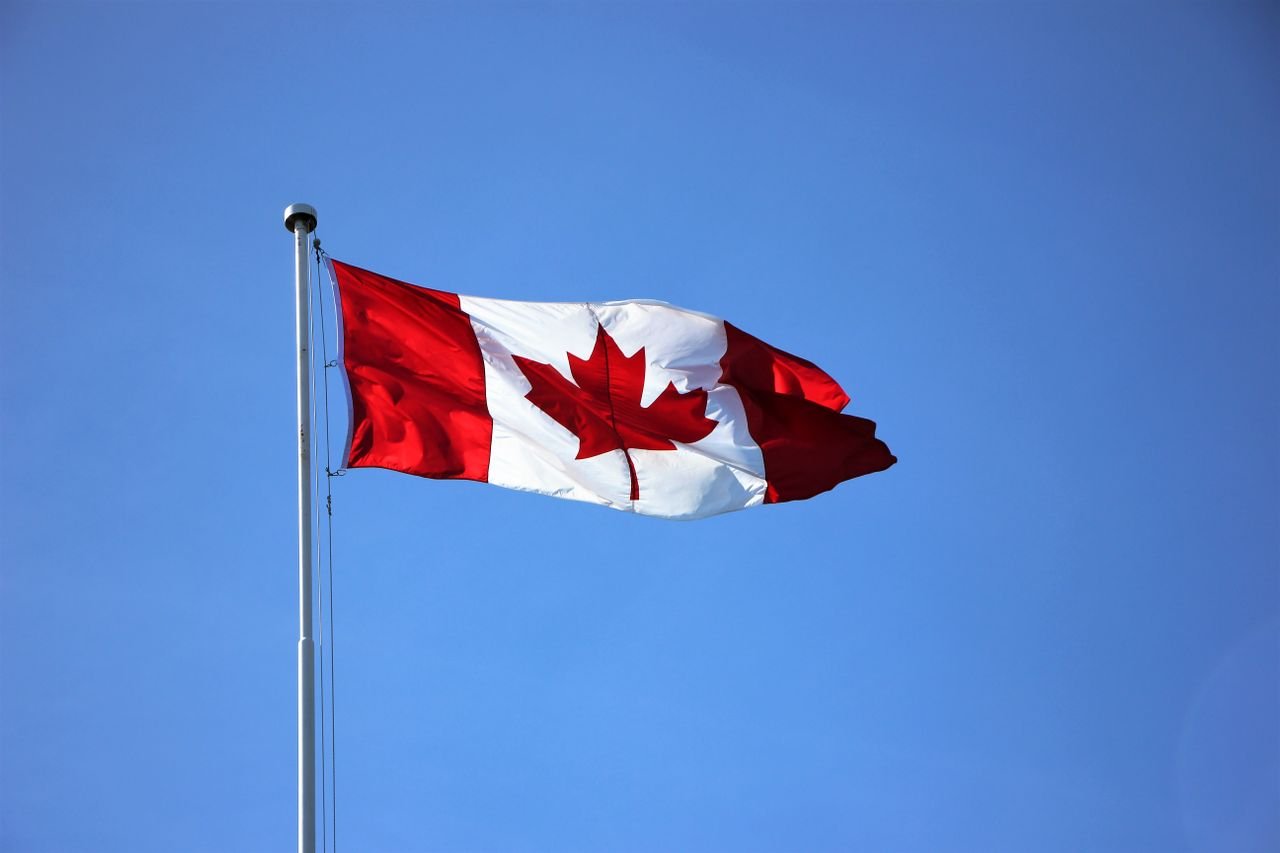
With the midterm elections less than a month away, The Federalist has published a first-person essay from a Canadian writer arguing that the country immediately to the north offers a cautionary preview of what the author calls Democratic “postnationalism” in power.
The piece, published Monday and framed as a direct appeal to American voters ahead of Nov. 3 balloting, contends that the two parties now represent divergent visions: one built on what the author describes as a revived appreciation of America’s civic heritage, the other set on redefining the nation’s identity and history.
“You don’t need to look very far to see where this kind of policy leads,” the author writes from Canada, pointing to former Prime Minister Justin Trudeau’s often-quoted description of Canada as “the world’s first postnational state.” Since then, the essay argues, the country has struggled to assert itself and has become dependent on the United States for its own survival.
An argument about sovereignty
The central claim of the essay is that a nation’s survival depends on actively projecting itself — through military capability, economic independence, and a shared civic story — and that Canada has deliberately dismantled each of those pillars.
“If you don’t have a functioning navy capable of defending your coasts and commerce, you’re not a country,” the author writes. “If your economy is entirely dependent on a foreign power, you’re not a country.” Countries that fail those tests, the essay says, end up as vassal states whose security rests on a stronger power and who no longer set their own rules.
As evidence, the author cites the Crown’s speech from the throne acknowledging that Parliament was “gathered on the unceded territory of the Algonquin Anishinaabeg people,” arguing that such language amounts to the state telling the world the land isn’t rightfully its own.

The essay also points to the 2022 invocation of emergency powers that froze the bank accounts of protesters, the disruption of major resource projects by activists, and the removal of founders’ names from street signs and toppling of royal statues in Canadian cities. Taken together, the author argues, these are self-inflicted wounds.
“America didn’t do this to Canadians; we did this to ourselves,” the writer says, adding that Canadian anger toward the United States is misplaced.
Economic dependence and American leverage
On trade, the essay notes that much of Canada’s infrastructure, trade, human capital, and resources flow south, and that losing free access to the American economy would amount to an existential crisis for Canada — a level of access, the author notes, usually reserved for U.S. states.
The author also describes a cultural absorption that cuts both ways: Canadians consume American music, media, politics, and identity. Ask the average Canadian about the latest business in the House of Commons, the essay suggests, and you’ll get a blank stare; ask about Donald Trump’s latest controversy and the conversation flows. The essay argues the gap between American Democrats and Canadian socialists is narrowing.
A warning aimed at US voters
The essay’s closing argument is directed squarely at Americans. Elections, the author writes, are no longer simply about gas prices or Middle East conflicts. When one party, in the author’s framing, openly questions the goodness of America and embraces philosophies opposed to its foundations, the stakes become existential.
“If you want to avoid ending up like other countries that have begun self-immolating, you must reject any party that embraces the ideas of postnationalism,” the piece concludes, urging voters to protect the institutions, economy, and military that underwrite American power abroad.
The essay is one of a wave of pre-midterm arguments on the right casting the election as a referendum on national identity rather than a contest over policy details. It also reflects a recurring theme in conservative media in 2026: using allied countries’ domestic politics as a mirror for American debates, with Canada — long treated as a quiet neighbor — recast as a warning sign.
The Federalist appended a fundraising appeal to the piece, noting its donor club and describing its parent organization, FDRLST Real Journalism Fund, as a registered 501(c)(3) charity.
Source: thefederalist.com — https://thefederalist.com/2026/10/05/to-see-why-democrat-rule-would-ruin-america-just-look-at-canada/