
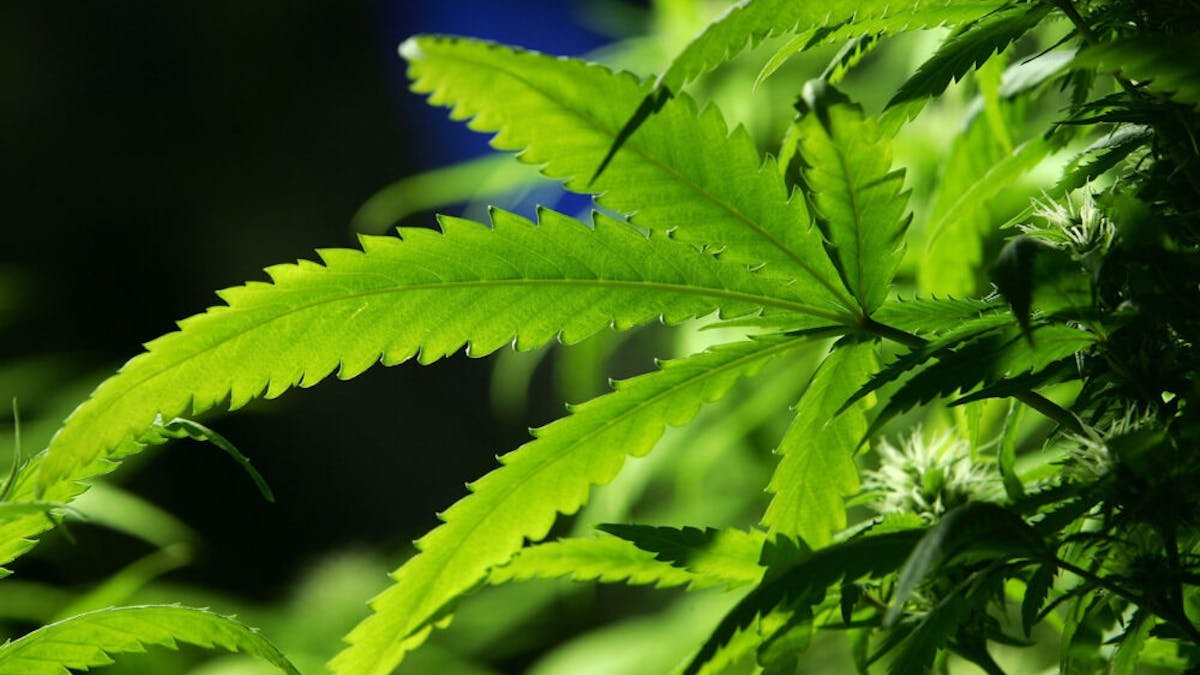
As cannabis legalization expands across the United States, a dangerous assumption is putting American travelers at risk: the belief that relaxed marijuana laws at home translate to similar policies abroad. U.S. officials are issuing urgent warnings that even a forgotten cannabis product in your luggage can result in years of imprisonment in a foreign country.
The latest alert focuses on Thailand, which implemented stricter customs policies in June. Travelers caught with cannabis now face up to 10 years in prison, a fine of 500,000 Thai baht (approximately $15,000), or both penalties combined. The U.S. Embassy and Consulate in Thailand emphasized that while the country decriminalized possession in 2022, importing or exporting cannabis without proper authorization remains a serious criminal offense.
International Travel and Cannabis: A Legal Minefield
Jeffrey Hoffman, a New York cannabis attorney, cautioned travelers about the stark reality of international drug laws. Despite loosening restrictions in Canada and various U.S. states, cannabis remains illegal in the overwhelming majority of countries worldwide. When crossing borders, travelers immediately become subject to the destination country’s laws, regardless of what’s permitted at home.
The consequences of ignoring this reality can be severe and life-altering. Hoffman pointed to the high-profile case of WNBA star Brittney Griner, who was imprisoned in Russia after authorities discovered cannabis oil in her luggage. The incident underscored a critical point: there are no safe havens when traveling internationally with cannabis, and even unintentional violations offer no legal protection.
The Packing Problem
Bobby Laurie, a travel expert and former flight attendant, reports seeing this mistake with alarming frequency. Travelers often pack as though their home jurisdiction’s rules will follow them across borders, a misconception that can prove costly.
Medical prescriptions and personal use justifications carry no weight in countries with strict drug laws. The severity of potential penalties makes assumptions particularly dangerous. Laurie emphasized that customs agents are under no obligation to show leniency for small amounts or medical documentation from another country.
The problem extends beyond cannabis. Laurie cited Singapore’s ban on chewing gum as an example of how countries prohibit everyday items that most travelers never consider checking. Many people carry such items routinely without realizing they’re researching destination-specific regulations.
Where U.S. Protections End
The Transportation Security Administration provides guidance for medical marijuana on domestic flights within the United States, but this guidance becomes irrelevant the moment travelers cross an international border. Once in another country, that nation’s laws govern all aspects of what happens next.
TSA officers primarily focus on security threats rather than drug enforcement. However, when they encounter suspected violations, they hand the matter over to local law enforcement. At that point, travelers face the full weight of local criminal justice systems, which may operate very differently from American courts.
Practical Steps for Travelers
Experts recommend a thorough pre-travel routine that goes beyond casual packing. Before heading to the airport for any international trip, travelers should check local laws for every destination on their itinerary. This research should happen during the planning phase, not at the airport.
Physical inspection of all luggage is essential. This means emptying backpacks, purses, and carry-ons completely, checking every pocket and compartment for forgotten items. A vape pen left in a jacket pocket or cannabis edibles forgotten in a purse side pocket can trigger serious legal consequences.
The investment of a few minutes in careful checking can mean the difference between an enjoyable vacation and an extended stay in a foreign prison. With international drug laws varying dramatically from country to country, the margin for error is essentially zero.
As cannabis normalization continues in the United States, the disconnect between domestic and international laws creates a growing risk for American travelers. The message from officials and travel experts is clear: when it comes to international travel, assume nothing and check everything.
Source: www.dailywire.com — https://www.dailywire.com/news/the-common-packing-mistake-that-could-land-you-in-prison