
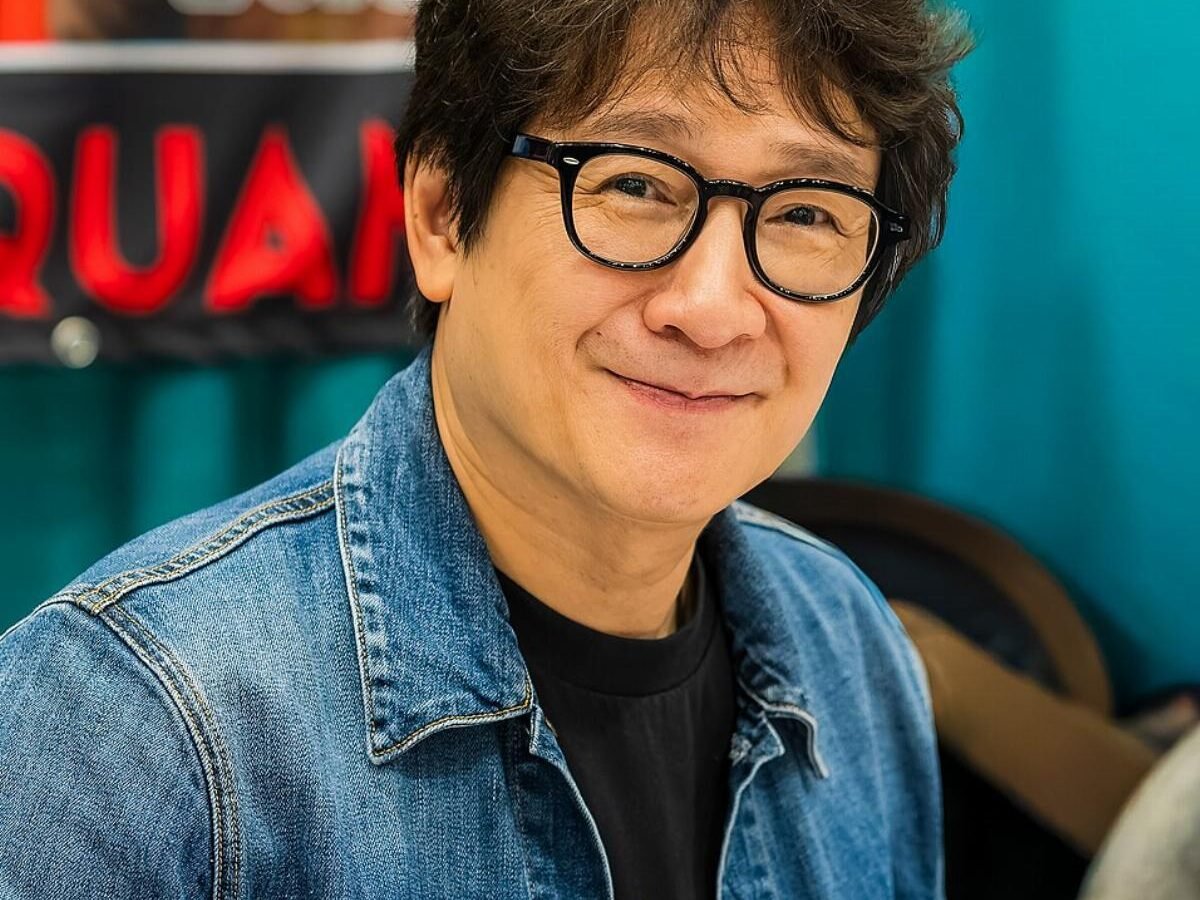
Ke Huy Quan’s career has already been called a comeback for the record books. Now, writing at American Thinker, Arthur Schaper argues the story behind it deserves a place on the shelf alongside it. Reviewing Quan’s newly released memoir, Never Say Die, Schaper—who counts himself among the 80s kids shaped by The Goonies—frames the book as both a personal chronicle and a quiet argument about the durability of the American dream.
Schaper’s affection for Quan starts on screen. He singles out Data, the gadget-wielding kid Quan played in The Goonies, as a favorite character, praising the “quirkiness, resourcefulness, and humor” the young actor brought to the role. But the review’s real subject is what happened after the child-star years faded—and the unlikely second act that followed.
The child-star trap, and how Quan avoided it
Schaper is blunt about the usual arc. Child actors’ careers “die in a graveyard of missed or misspent potential,” he writes, citing guardians who squander young performers’ earnings and an industry that can do real harm to kids on set. Many never return, he notes, because time strips away the childhood charm that made them bankable in the first place.
Quan, in Schaper’s telling, broke the pattern. After years away from the camera—spent largely working behind it to stay in the business—he returned in 2023 with Everything Everywhere All at Once, the multi-Oscar-winning film that earned him a string of awards across that season. Schaper calls the renaissance “unprecedented” and says it should give readers hope rather than just nostalgia.
Part of the explanation, per the review, is family. Quan’s mother stayed with him during his childhood film career, and Schaper credits that presence—alongside a close, supportive family—with protecting him from the fates that befell other young stars. His parents are central figures in the memoir, praised for their endurance, work ethic, and determination to give their children the best life they could.
From a Vietnamese jail cell to a Hollywood lot
The book opens in difficult territory. Schaper describes a hazy early memory: the family’s flight from Vietnam during a crackdown on the country’s Chinese community. Quan writes about being held in a jail cell as a child during that escape, then about the confusion and hardship of arriving in Hong Kong as a refugee before eventually reaching America. Schaper argues the experience planted the memoir’s central theme—an outsider’s longing to belong—which the movies temporarily satisfied.
That early trauma runs parallel to later insecurity. Schaper points to a recurring exchange in the book: as a boy in a Vietnamese jail, Quan asks his father when they can go home. The answer is “Soon.” Decades later, struggling to restart his acting career in the United States, a discouraged Quan hears the same word from his wife of twenty years—whom Schaper notes Quan praises throughout the book. For the reviewer, that echo is the memoir’s quiet architecture, showing how earlier hardships prepared Quan for his current, happier chapter.
Two famous encounters, two cautionary tales
Schaper highlights two brushes with fame from Quan’s child-actor years. The first is a friendship with Michael Jackson, who visited the The Goonies set and later invited the young Quan to a private screening of one of his films. Quan’s account, per the review, shows the invitation never went to his head. The second is meeting Princess Diana and Prince Charles during the press tour for Indiana Jones and the Temple of Doom. Quan’s description of Diana—”She felt normal. Kind, polite, genuine. I could see why people loved her”—prompts Schaper to suggest the same words fit Quan himself.
The reviewer uses those two encounters as a contrast. Jackson, he writes, buckled under constant public pressure and addiction, once saying he was “the loneliest person in the world.” Diana died in a Paris tunnel while fleeing paparazzi. Quan, by Schaper’s account, passed through fame, obscurity, and fame again without meeting either fate—good news worth stating plainly.
A voice that grows up with its subject
Schaper devotes attention to craft. In the memoir’s first half, he says, Quan writes from a childlike point of view; as the story advances, the prose matures along with its narrator, reflecting not just what he shares but how he retells it. The second half shifts to a warmer, more inviting tone as Quan builds a life behind the camera, chases his way back to acting, and lands—after a small 2021 role—an audition for Everything Everywhere All at Once that came at the producers’ request.
Through it, Schaper finds humility the book’s most engaging quality: a man convinced a role is perfect for him, yet calm about the possibility of not getting it. The memoir closes with Quan addressing the UNHRC Global Refugee Forum in Geneva, where the identity he had once tried to flee becomes something he confronts publicly. Schaper declines to spoil what happens after the speech, calling it too personal to give away.
He ends where Quan’s Oscar speech did—on a boat, in a refugee camp, and finally on Hollywood’s biggest stage. For Schaper, that line is the thesis of both the book and the life: “This is the American dream!”
Source: www.americanthinker.com — https://www.americanthinker.com/articles/2026/10/ke-huy-quan-s-life-proves-you-should-never-say-die-to-the-american-dream/