
A California congressman says he’s prepared to cut off funding for military operations against Iran — even if American troops are still in harm’s way when Democrats take control of Congress.
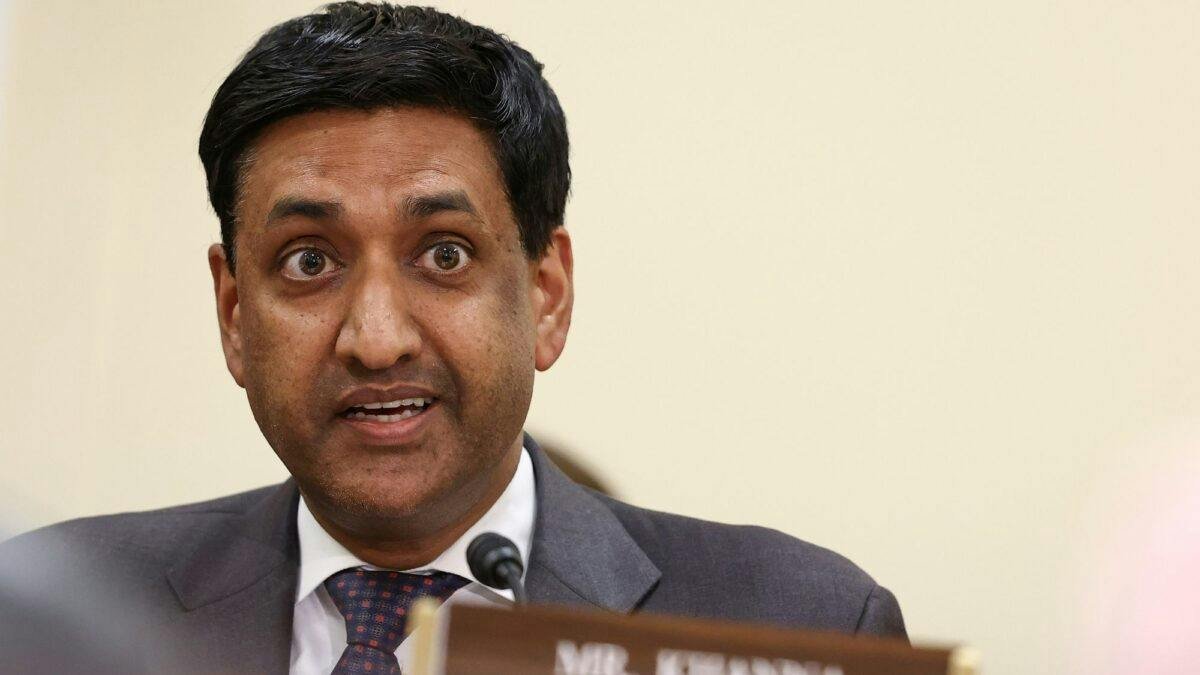
Rep. Ro Khanna (D-CA) made the striking declaration during a Sunday appearance on “Fox News Sunday,” telling anchor Shannon Bream that he would vote to terminate all appropriations for further military action in the ongoing Iran conflict, regardless of whether U.S. assets and personnel remain deployed in the region.
Vietnam War Playbook
The progressive lawmaker drew a direct parallel to congressional action during the Vietnam War era, suggesting Democrats could use the same legislative strategy to force an end to current hostilities.

“I would stop the funding — the House and the Senate should stop the funding for any further actions in the Iran War,” Khanna stated. “That’s what we did to stop the Vietnam War, and we need to stop this war in Iran. And by the way, the president can’t veto that. The House and the Senate have the power on the appropriations bills.”
The congressman’s comments came in response to Bream’s pointed question about whether he would defund U.S. military operations while American forces remain engaged in the region.
Gas Prices and War Funding
According to the Daily Wire, Khanna tied his funding cut proposal to domestic economic concerns, claiming that elevated gas prices stem entirely from the Iran war. He asserted that fuel costs would drop immediately if Democrats gained congressional control, promising action “on day one” to halt war appropriations.

The interview touched on these fiscal issues after Bream asked about a controversial advertisement created by Rebellion PAC. The ad promoted Michigan Democratic Senate candidate Abdul El-Sayed while essentially blaming increased living costs in America on aid sent to Israel.
When pressed about whether he would condemn the advertisement, Khanna stopped short of doing so. Instead, he said both he and El-Sayed had “disagreed” with the messaging. Bream pointed out that disagreement and condemnation represent different levels of response, prompting Khanna to pivot the conversation toward his Iran war funding position.
Unaddressed Risks
The California representative did not respond to concerns about the potential dangers his proposal could create for American service members. Military operations typically require sustained funding for force protection, logistics, intelligence gathering, and other critical functions that keep deployed personnel safe.

Cutting appropriations while troops remain engaged in active operations could theoretically leave them more vulnerable before any withdrawal or de-escalation could be completed. Historical precedent from the Vietnam era — which Khanna himself cited — showed that congressional funding restrictions were implemented alongside troop drawdowns rather than while large numbers of American forces remained in combat zones.
The congressman’s stark position reflects a growing divide within Democratic circles over Middle East policy and military engagement. Progressive members have increasingly advocated for more aggressive measures to limit executive war powers and constrain military operations abroad.
Constitutional Authority
Khanna emphasized Congress’s constitutional authority over appropriations, noting that presidential veto power cannot override legislative control of the federal purse. The Constitution grants the House and Senate exclusive authority to authorize government spending, giving lawmakers significant leverage over military operations that require sustained funding.
This power has been exercised throughout American history to influence or end military engagements, though typically with careful consideration of the safety and security of deployed forces. The War Powers Resolution of 1973, passed in the aftermath of Vietnam, was designed to check presidential power to commit U.S. forces to extended conflicts without congressional authorization.
Whether Khanna’s proposed approach would gain traction among a broader coalition of Democrats remains unclear. While progressive caucus members have frequently called for limiting military engagement in the Middle East, more moderate Democrats have often expressed concern about abrupt policy shifts that could compromise national security interests or endanger American personnel.
The congressman’s comments arrive as foreign policy debates continue to shape political discourse heading into future election cycles, with questions about military spending, overseas commitments, and executive authority remaining contentious issues across party lines.
Source: www.dailywire.com — https://www.dailywire.com/news/house-dem-says-hed-cut-off-iran-war-funding-even-with-u-s-troops-in-region