
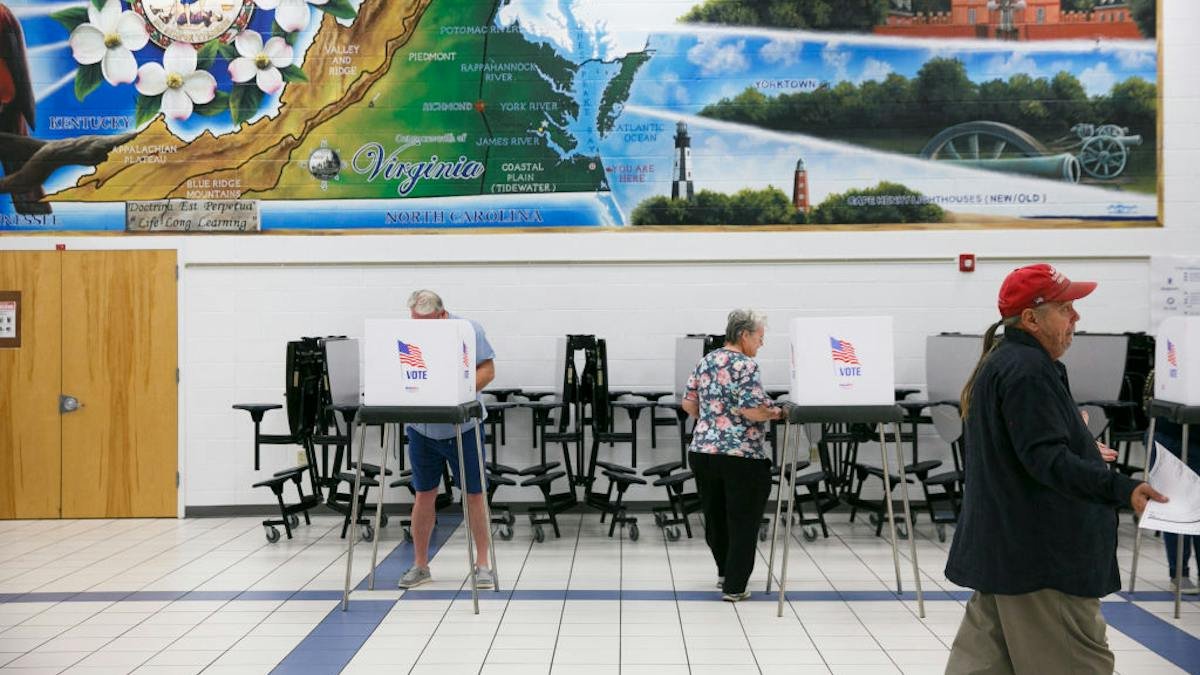
Virginia voters face a critical decision on November 3, when they’ll weigh three proposed constitutional amendments that supporters describe as straightforward protections for reproductive rights, marriage equality, and voting access. But according to critics examining the actual amendment language, the measures contain provisions that extend far beyond their advertised purposes.
Former Kansas Attorney General Phill Kline, now spokesman for Defend Virginia’s Sons and Daughters, argues the amendments represent a deliberate effort to insert radical provisions into Virginia’s Constitution under the cover of moderate-sounding ballot summaries. If successful, he warns, similar measures could spread to other states.
Question 1: Abortion Rights Without Age Restrictions
The first amendment extends abortion rights to “every individual” without specifying an age limit, which critics say would effectively eliminate Virginia’s existing parental consent requirements. The measure’s language argues that parental notification would “burden” a minor’s “autonomous decision making.”
Drawing on his experience prosecuting child abuse cases as Kansas Attorney General, Kline contends the amendment creates dangerous blind spots in child protection. He describes cases where adult abusers transported underage victims to abortion clinics to eliminate evidence of statutory rape, then returned them home without intervention.
The amendment language exempts third-trimester abortions from restriction when an abortion provider invokes the patient’s “mental health” — a term left undefined in the text and not subject to review by a second physician, judge, or parent. It also prohibits the state from taking “adverse action” against anyone who “assists” in obtaining an abortion.
Notably absent from the amendment’s list of state interests justifying potential regulation: child protection itself.
“This isn’t theory,” Kline stated, recounting his prosecutorial experience. “A former Planned Parenthood executive told me directly that her clinic staff was instructed not to ask questions that could reveal abuse, and not to report it when they saw it.”
Question 2: ‘Gender’ Language in the Bill of Rights
Same-sex marriage already enjoys legal protection in Virginia, both through existing federal law and the Respect for Marriage Act passed by Congress. Virginia’s 2006 constitutional ban on same-sex marriage, though still technically in the state constitution, has been rendered unenforceable by Supreme Court precedent.
Repealing that defunct provision would require minimal constitutional language. Yet the proposed amendment introduces the word “gender” twice into Virginia’s Bill of Rights — a choice critics find significant.
The Supreme Court and federal statutes typically use the term “sex” when addressing discrimination and equal protection issues. Even the landmark Obergefell v. Hodges decision establishing marriage equality referred to “same-sex couples.” “Gender,” by contrast, has become the preferred terminology of advocates who define it as a fluid, self-determined identity separate from biological sex.

If Virginia enshrines “gender” in its constitution, it would become the first state to do so. Critics warn this opens the door to legal challenges affecting women’s sports, private spaces including locker rooms and shelters, prison housing policies, and the legislature’s ability to create any sex-based distinctions in law.
“Every rule becomes a discrimination claim, litigated under a term no court has ever defined,” opponents argue, pointing to potential impacts on custody decisions, adoption processes, employment policies, and school regulations.
Question 3: Voting Rights and Election Security Friction
The third amendment establishes voting as a “fundamental right” but specifies only two circumstances under which it can be limited: active incarceration and a court determination that an individual cannot understand the voting process.
What the amendment doesn’t list as exceptions: voter identification requirements, absentee ballot verification procedures, registration deadlines, residency checks, or ballot security measures.
Critics point to Missouri, where similar constitutional language led courts to strike down photo ID requirements. They warn that if Virginia’s amendment passes, every existing election safeguard wouldn’t be automatically repealed but would instead face constitutional challenges that current law doesn’t authorize.

The amendment also addresses felon voting rights restoration, but without requiring restitution to victims or completion of parole. Under the proposed language, release from incarceration would immediately restore voting rights, jury service eligibility, and the ability to run for office.
“All they needed was simple language saying the Commonwealth would not discriminate against a person’s right to vote if they completed their sentence, and dropped the lawsuit machine entirely,” Kline stated. “They wanted the lawsuit machine.”
The Bigger Picture: Virginia as Test Case
For all three amendments, alternative language exists that would accomplish the advertised goals without the broader implications critics identify. The Supreme Court has used specific terminology in its decisions. Other states have passed similar measures with more carefully bounded language.
The choice to use expansive, undefined terms rather than established legal language strikes opponents as deliberate rather than accidental.
“If the bait-and-switch wins here, the same packages ship to your state next year with the same soothing labels,” warned Kline, who now teaches law and lives in Amherst, Virginia.
The permanent nature of constitutional amendments makes the November 3 vote particularly consequential. Unlike statutes that can be amended or repealed by a future legislature, constitutional provisions require a much higher threshold to change or remove.
Opponents argue this permanence, combined with what they see as deliberately vague language, would empower activist litigation for years to come while severely limiting the ability of future Virginia voters or legislators to course-correct.
As Virginia voters prepare to cast their ballots, the debate ultimately centers on a fundamental question: do the actual texts of these amendments match what their ballot summaries promise? The answer to that question, according to critics, requires reading beyond the advertising to examine the constitutional language itself.
Source: www.dailywire.com — https://www.dailywire.com/news/the-three-radical-amendments-coming-for-virginia-and-your-state-could-be-next