
As multiple states implement restrictions on gender transition procedures for minors, new investigative reports allege that some medical providers and advocacy groups have developed methods to circumvent these bans, raising questions about medical coding practices and cross-state referrals.
Two separate investigations published this week detail what their authors describe as systematic efforts to continue providing gender-related medical interventions to minors, even in jurisdictions where such procedures have been legally restricted.
Undercover Calls Reveal Interstate Referral Networks
According to City Journal, investigative reporter Christina Buttons conducted an undercover operation in which she posed as a parent seeking transition-related medical care for a fictional child. Buttons contacted various providers and advocacy organizations while claiming to live in states where such procedures for minors are banned.
The investigation focused significantly on the Campaign for Southern Equality, a North Carolina-based advocacy nonprofit that operates what it calls a “Trans Youth Emergency Project.” According to the report, this organization provides medical referrals and travel assistance to families seeking to obtain procedures that may be unavailable in their home states.
During recorded conversations, Buttons claims providers described methods for continuing treatment despite state restrictions. In one alleged exchange with a clinic caseworker, Buttons was told that an in-house pharmacy could provide certain medications, and that the clinic used a general “endocrine disorder” diagnosis code rather than gender-specific codes when processing prescriptions and lab work.
The caseworker allegedly explained that gender dysphoria codes were only used when specifically seeking approval for puberty blockers, while other medications could be prescribed under broader diagnostic categories.
Surgeon Questions Medical Billing Practices
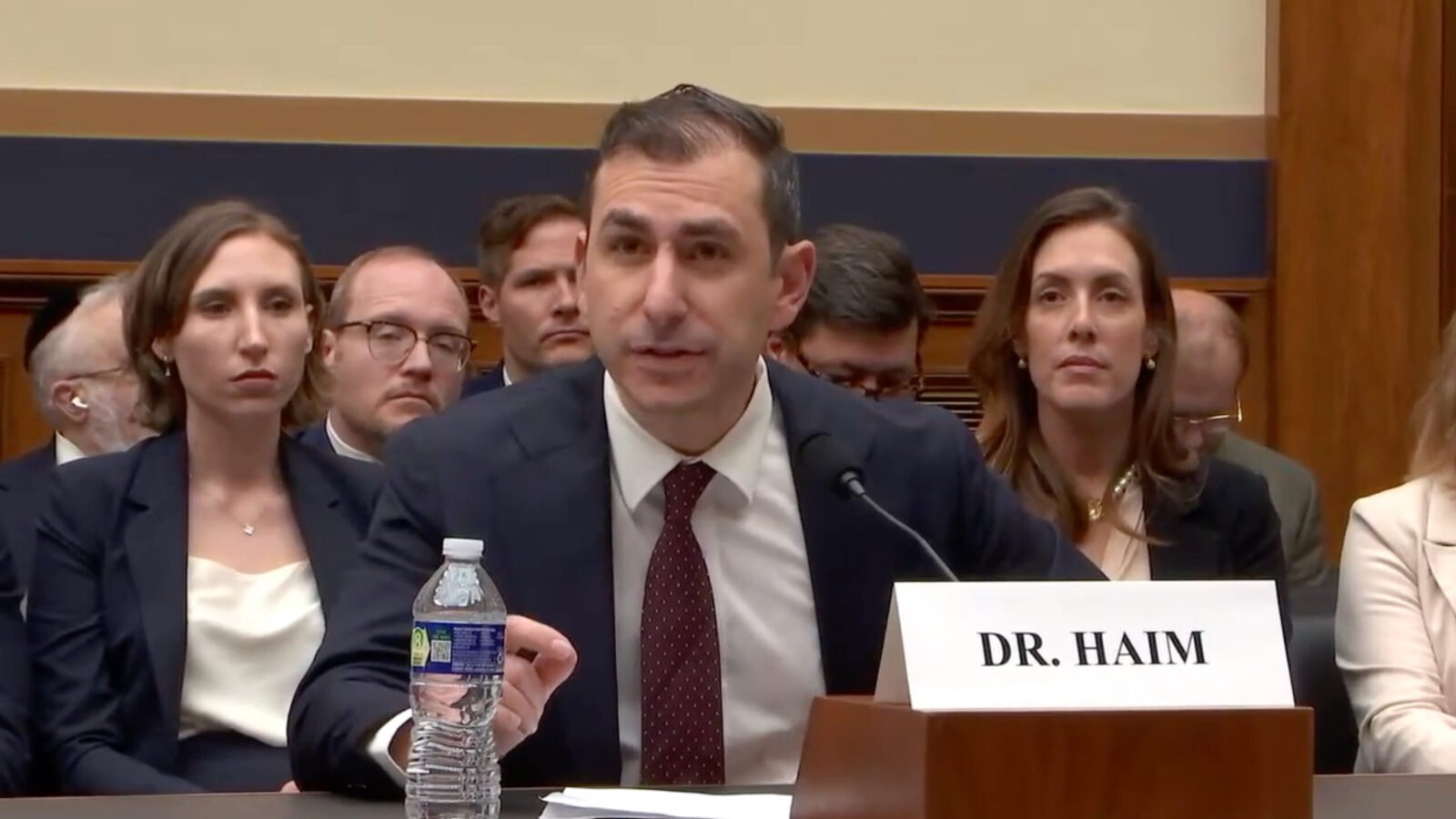
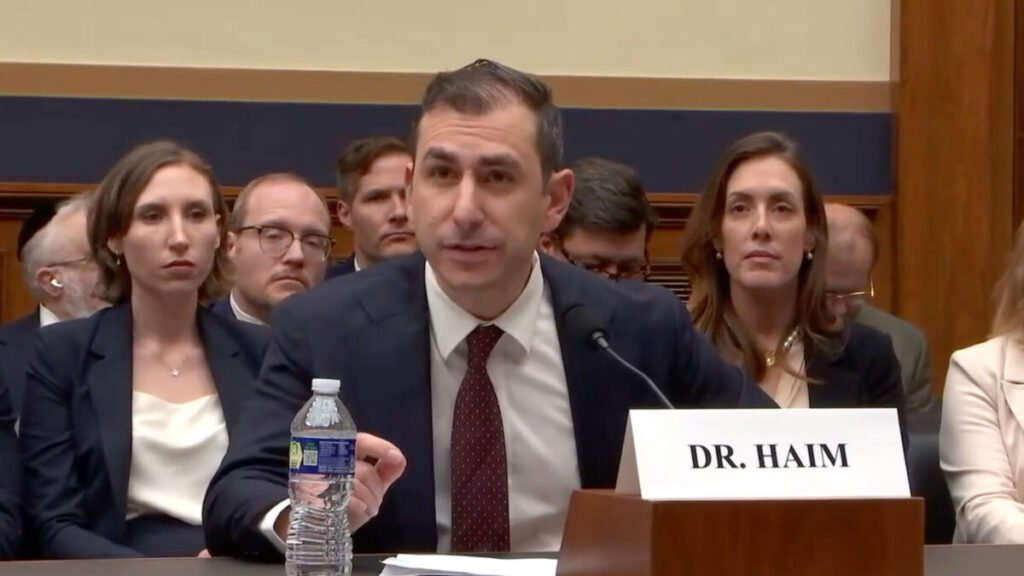
In a separate report posted on social media platform X, surgeon Eithan Haim presented what he characterizes as evidence of misleading diagnostic coding in gender-related medical cases. Haim previously gained attention for his role in advocacy that led to changes at Texas Children’s Hospital in Houston.
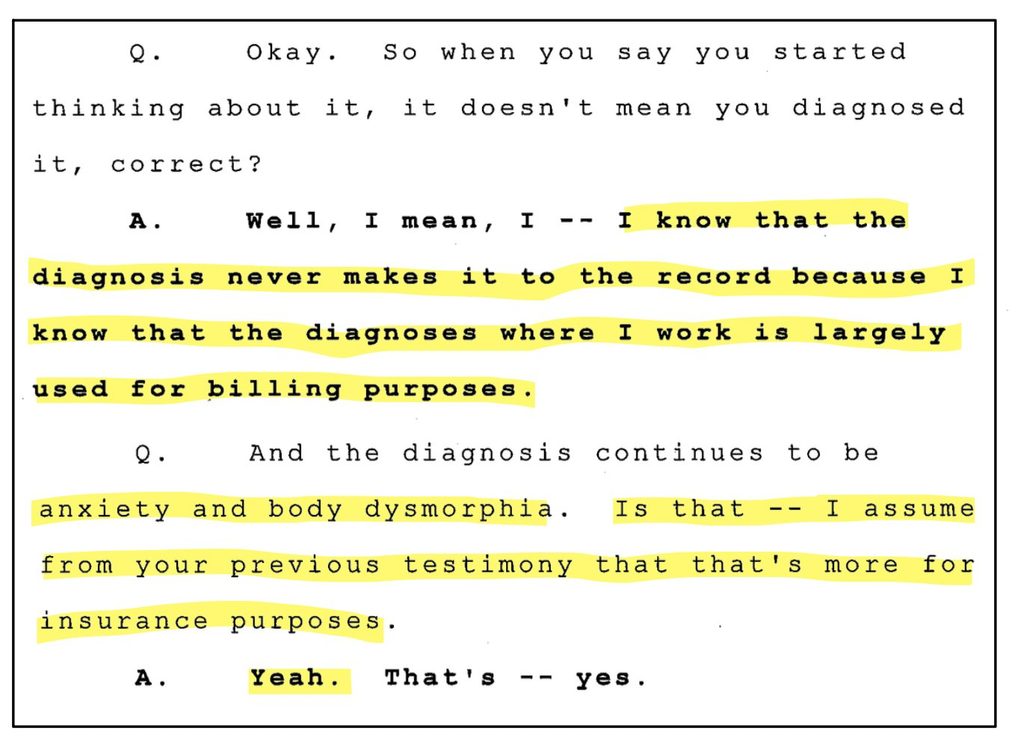
Drawing on medical records and deposition testimony from a detransitioner lawsuit, Haim’s report includes screenshots and documents that he claims show healthcare providers using diagnostic codes that did not reflect the actual nature of treatments being provided. According to his analysis, this practice allegedly allowed insurance companies to cover procedures without being fully aware of their gender-related purpose.

One piece of evidence Haim highlighted was deposition testimony from a psychologist who allegedly acknowledged that certain diagnoses “never make it to the record.” Haim argues these practices constitute insurance fraud and questions why federal authorities have pursued only civil settlements rather than criminal charges against institutions.
Advocacy Group Responds to Findings
Erin Friday, president of the parental advocacy organization Our Duty, which opposes medical transition procedures for minors, told The Federalist that the investigations confirm long-standing suspicions within the advocacy community.
“When a medical provider has to falsify codes, it is a tacit admission that he knows what he is doing is wrong,” Friday stated, characterizing the entire practice as fundamentally fraudulent. She suggested that financial incentives and ideological commitments drive continued provision of these services despite legal restrictions.
Context of State-Level Restrictions
The reports emerge amid a changing legal landscape for youth gender medicine in the United States. Multiple states have enacted laws restricting or banning certain medical interventions for minors questioning their gender identity, including puberty-blocking medications, cross-sex hormones, and surgical procedures.
Proponents of these restrictions argue that minors cannot provide informed consent for interventions with lifelong consequences and cite emerging evidence of regret among some young adults who underwent medical transition. Opponents contend that these treatments are medically necessary for some youth and that restrictions harm vulnerable populations.
The Department of Justice has recently reached civil settlements with several major hospital systems regarding their pediatric gender programs, though the specific terms and rationales for these agreements vary by institution.
Questions About Enforcement and Oversight
The investigations raise broader questions about medical oversight and the enforcement of state-level restrictions. If providers are indeed using diagnostic coding that obscures the nature of treatments, it complicates efforts by both insurance companies and regulatory authorities to monitor compliance with state laws.
Cross-state travel for medical procedures occupies a gray area in American law. While states can regulate medical practice within their borders, they generally cannot prevent residents from traveling to other jurisdictions for legal medical care. However, questions arise when in-state providers facilitate such arrangements or continue prescribing medications across state lines.
The allegations in both reports, if substantiated, could lead to regulatory scrutiny of medical coding practices, insurance reimbursement procedures, and the operations of advocacy organizations that facilitate access to restricted medical services.
Both Buttons’ undercover investigation and Haim’s analysis of medical records represent efforts by critics of youth gender medicine to document what they characterize as deceptive practices. Medical providers and advocacy organizations referenced in these reports have not yet issued public responses to the specific allegations.
The controversy continues to reflect deep divisions in American society over how to balance concerns about child welfare, parental rights, medical autonomy, and the scope of government regulation in healthcare decisions.
Source: thefederalist.com — https://thefederalist.com/2026/10/30/trans-kids-madness-is-built-on-a-foundation-of-constant-and-increasingly-aggressive-lies/