
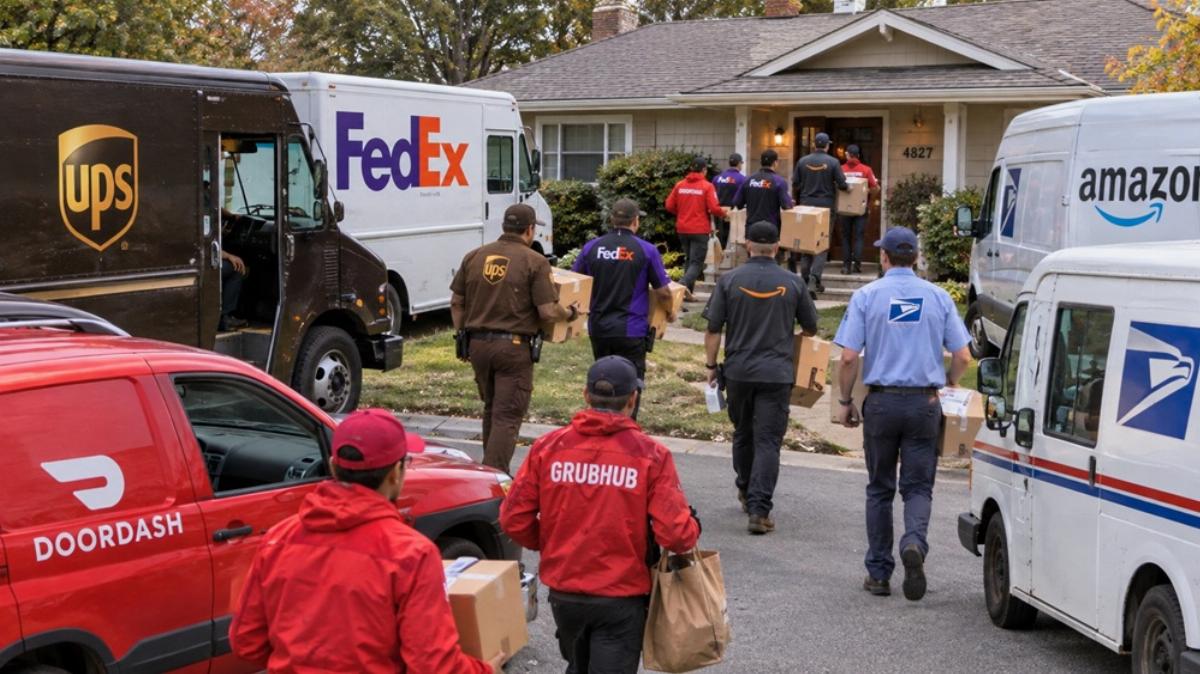
When a woman paid $32 to have an Arby’s roast beef sandwich delivered—$13 for the meal, $19 in fees and tips—her viral complaint missed the bigger picture. That transaction, as outrageous as it seems, reflects a broader economic shift: Americans are spending unprecedented amounts to outsource daily tasks and maintain lifestyles packed with subscriptions, financed gadgets, and on-demand services. The result? Household budgets stretched thin by choices that previous generations would’ve considered luxuries.
The Convenience Trap
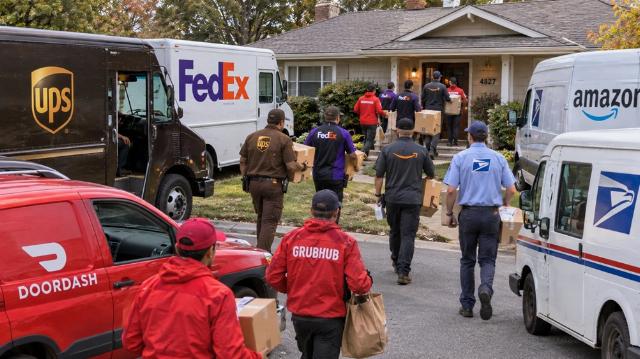
Food delivery apps, once an occasional treat, are now a weekly habit for 28% of Americans—and nearly 40% of millennials and Gen Z. Grocery subscriptions, streaming services, and ride-hailing apps follow the same pattern: what starts as a ‘sometimes’ convenience becomes a fixed monthly expense. Reviews.org found the average household now spends $280/month just on internet, TV, and mobile services—over $3,300 annually. Layer on food delivery, gaming memberships, and device financing, and the modern budget looks less like a list of necessities and more like a portfolio of lifestyle subscriptions.
How Financing Warps Spending
Decades ago, layaway programs enforced delayed gratification: you paid first, took the item home later. Today’s ‘buy now, pay later’ model inverts that discipline. A $1,000 phone feels affordable at $40/month, even if the total cost balloons with interest. Car loans now average 70 months, and even Walmart shoppers can split a $50 purchase into installments. This payment illusion masks true costs—not just for consumers, but across supply chains where inventory financing and corporate debt ultimately inflate sticker prices.
The Solo Living Premium
Demographics amplify the strain. With median marriage ages up 7 years since the 1970s, 29% of households are now solo—each bearing full housing, utility, and transportation costs. Two incomes supporting one home has morphed into two adults funding two separate lifestyles. Meanwhile, smartphones have become $1,200 entertainment hubs, TVs require $100/month in streaming logins, and ‘free’ gaming consoles demand $15/month online memberships. The line between necessity and indulgence has blurred beyond recognition.
The Political Misdirect
Politicians love decrying ‘unaffordability’—it’s an easy scapegoat for inflation, stagnant wages, or policy failures. But as the $32 sandwich shows, many financial pressures are self-inflicted. No administration can legislate away the cost of daily DoorDash orders or a drawer full of financed AirPods. Until households audit their own spending—separating true needs from habituated conveniences—the affordability debate will keep missing half the equation.
Source: www.americanthinker.com — https://www.americanthinker.com/articles/2026/11/the-affordability-illusion/