
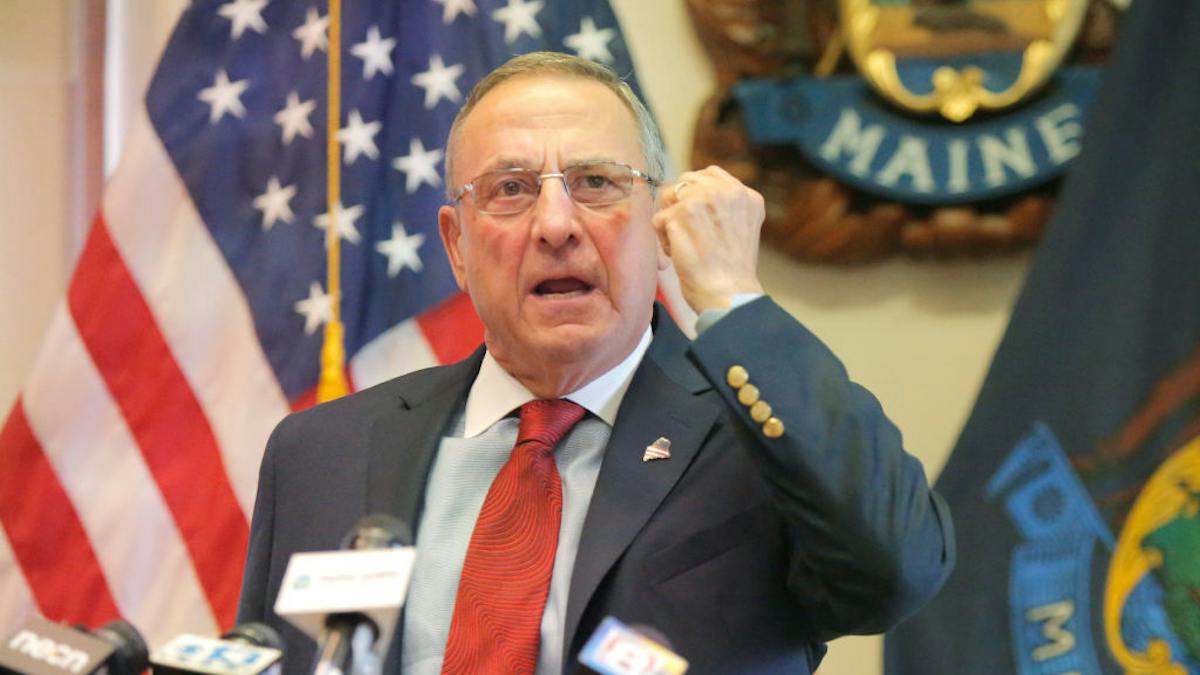
While Democrats swept House and Senate races nationally in the 2026 midterms, one Republican candidate bucked the trend entirely. Former Maine Governor Paul LePage managed to flip Maine’s 2nd Congressional District — the only GOP pickup in an unchanged district — proving that even in a Democratic wave, the right candidate with the right strategy can prevail.
The Unmovable Candidate
LePage, a two-term governor known for his brash style, defied political gravity from the start of his congressional campaign. Unlike most Republicans struggling amid shifting voter sentiment, his polling numbers didn’t fluctuate — no matter how analysts adjusted turnout models. Whether targeting a favorable Republican electorate or a heavily Democratic one, LePage consistently landed at 48% support.
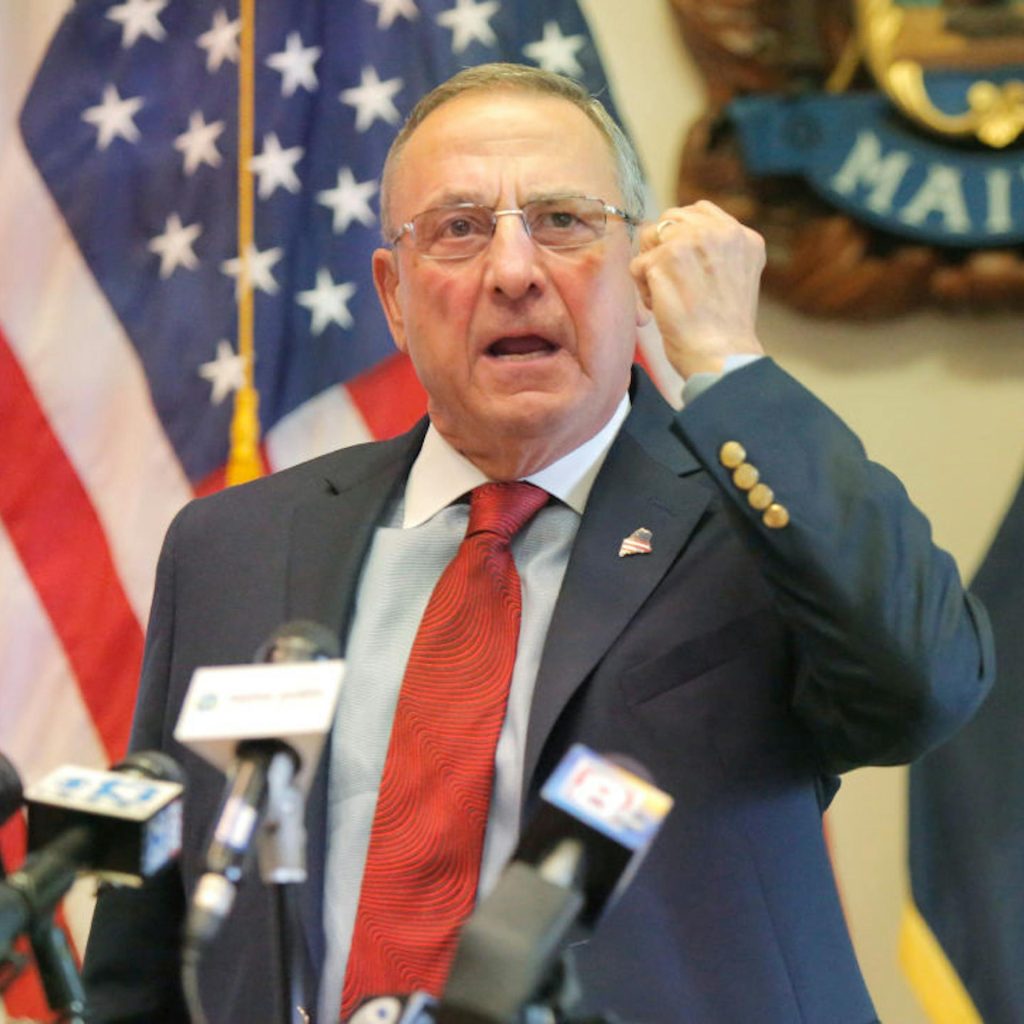
“He was impervious to the environment,” said Chris Lane, a senior partner at GOP polling firm Cygnal. “The anger at Trump moved around and underneath LePage, but he didn’t budge.” That rare stability gave his team a crucial advantage — they knew exactly who they needed to reach.
The Collins Factor and Rural Appeal
With Maine’s moderate Republican Senator Susan Collins carrying the district comfortably, LePage’s team focused on persuading her voters who were still hesitant about him. Many were older, moderate, and wary of his Trump-aligned temperament. The turning point came when the campaign emphasized LePage’s specific achievements as governor — paying off rural hospital debt and cutting gas taxes during price spikes. Nearly half of those on-the-fence Collins voters ended up supporting him.

Meanwhile, his Democratic opponent, Matt Dunlap, struggled to define himself. Nearly half of voters had no opinion of him in August, and his vote to tax Social Security benefits backfired. “When Dunlap started introducing himself, we got there first,” said Brent Littlefield, LePage’s senior advisor. By October, Dunlap’s favorability had plummeted from +11 to -3.
Turning Out a Reluctant Base
Republicans nationwide failed to energize their base in 2026, but LePage’s campaign executed an aggressive ground game. The team identified disengaged GOP voters who would support him if they voted and made sure they showed up — a critical factor once absentee and rural votes rolled in after Election Day. While Dunlap led early, LePage’s margin came from small towns in northern and eastern Maine.

The victory showed that in tough political climates, winning isn’t just about persuasion or turnout — it’s about both. LePage, already a known quantity with deep local ties, proved immune to negative attacks, freeing his campaign to focus entirely on offense. Targeted appeals to Franco-American voters, a disciplined contrast with Dunlap, and selective turnout efforts all contributed to an unexpectedly resilient victory.
As Republicans analyze their midterm losses, LePage’s campaign offers a case study in how an unconventional candidate can still win. “Unicorns aren’t supposed to exist,” Lane said. “Paul LePage was one anyway.”
Source: www.dailywire.com — https://www.dailywire.com/news/how-one-candidate-created-the-blueprint-for-beating-the-democratic-wave
Background and context
The latest developments around Paul LePage’s Unstoppable Campaign: How a GOP Stalwart Defied the Democratic Wave in Maine come amid a broader debate over politics, institutional accountability, and the policy choices that shape everyday life. Understanding the immediate facts is only the first step; the wider impact depends on how officials, institutions, and the public respond in the days and weeks ahead.
FedFront’s coverage focuses on verifiable details, identifiable sources, and the practical consequences of political decisions. Readers should review official statements, primary documents, and court or agency records before drawing final conclusions about any disputed claims.
Why it matters
Stories like this can influence legislation, regulatory enforcement, public trust, and the balance of power between government institutions. Even when the immediate headline fades, the underlying policy, legal, or political questions often continue to shape future decisions.
What to watch next
- Official responses, statements, or policy changes
- Legislative, regulatory, or court action
- Follow-up reporting and independent verification
- Public reaction and broader political fallout
FedFront will continue monitoring this story and update coverage as new information becomes available.
Source: www.dailywire.com
Related coverage
- Flock Safety Overhauls Privacy Protocols Following Widespread Backlash Over License Plate Cameras
- The Right’s 5-Step Plan to Fix the Student Loan Crisis Without Taxpayer Bailouts
- Democrats Sidestepped Immigration in 2026 Campaign as Voters Backed Wage Protections, Data Shows
- Northeast Storm Kills NYC Housing Worker, Cuts Power to 100,000 as New Jersey Floods