
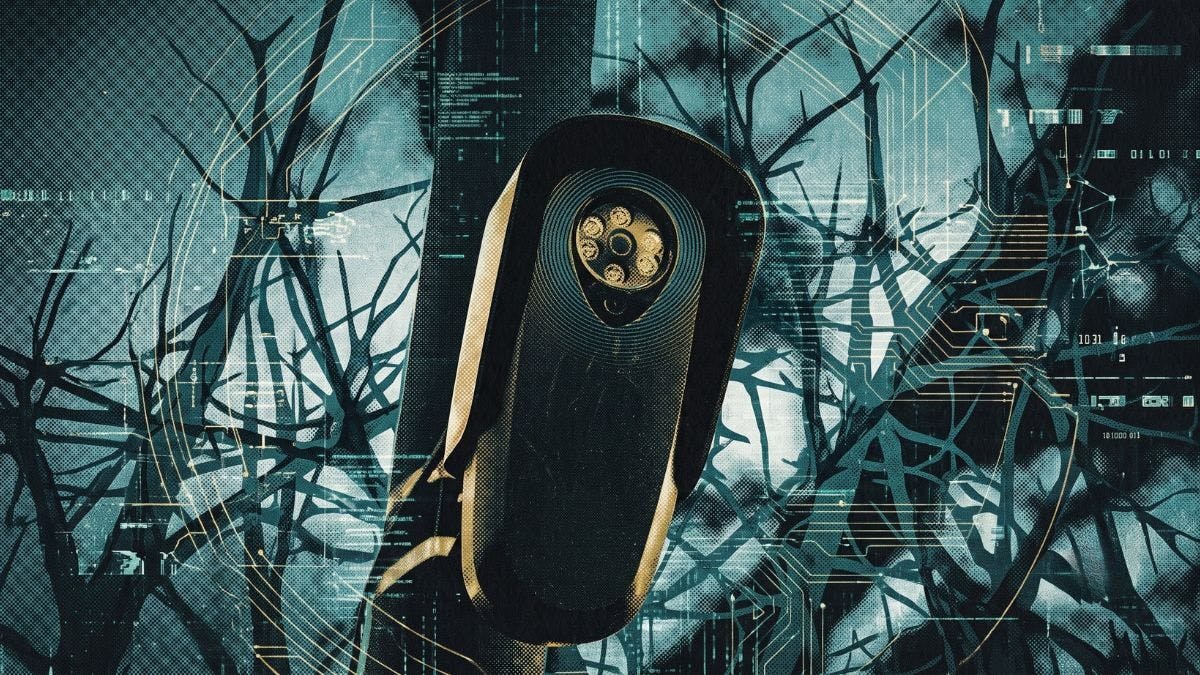
Flock Safety, the surveillance technology company whose license plate cameras have become a flashpoint in the national debate over policing and privacy, announced a series of changes Thursday aimed at addressing growing concerns about how its devices are used. The announcement follows months of scrutiny, protests, and contract cancellations in several cities.
The company said the updates are a direct response to questions that have built over time about the technology’s potential for misuse, according to Just The News. The changes are designed to tighten privacy protections and reduce the likelihood of improper access to the vast amount of data the cameras collect.
New Limits on Data Sharing
Under the revised protocols, individual police departments will gain the ability to limit what information other law enforcement agencies can access. This means a local police force could, for example, allow outside agencies to search for data related to stolen vehicles while blocking access to records that might be relevant to immigration enforcement, as described in a report from The New York Times.

This shift in control is significant because Flock’s network has historically made it easy for thousands of agencies to share data across jurisdictional lines. The new arrangement gives local departments more authority over how their data is used by others, addressing a key complaint from privacy advocates who argued that information collected in one community could be accessed by agencies with different priorities or standards.
Shorter Data Retention
In addition to changing who can access the data, Flock is also shortening the amount of time it holds onto the information. The standard retention period will drop from 30 days to one week. However, local police departments will have the option to extend that window if they determine that a longer period is necessary for an ongoing investigation.
The move to a shorter default retention period is likely to be welcomed by privacy advocates, who have long argued that long-term storage of license plate data creates an unnecessary risk of surveillance and misuse. The option to extend retention for investigations provides a carve-out for law enforcement needs, but the default reduction represents a meaningful shift in the company’s approach.

Mixed Reactions from Civil Liberties Groups
Reactions to the changes have been mixed. Chad Marlow, senior policy counsel at the American Civil Liberties Union, called the steps “good in theory” when speaking with The Times. However, he also suggested that the company appears to be treating privacy concerns largely as a public relations issue, implying that the changes may not go far enough to address fundamental questions about the technology.
Other critics have taken a firmer line, arguing that only legislative action can place real limits on this form of surveillance. From their perspective, voluntary changes by a private company are no substitute for laws that clearly define how and when such technology can be used.
The company’s announcement arrives at a time when public discussion of the cameras remains highly active. Flock’s system is currently used by several thousand law enforcement agencies across the country, with approximately 120,000 cameras installed in communities nationwide. The devices scan license plates as cars pass, flagging vehicles that may be connected to criminal activity.

Growing Backlash and Contract Cancellations
Reports of improper access to the system, along with broader unease about the monitoring of ordinary drivers, have led to protests in multiple locations. Some cities have already voted to end their contracts with the company, citing concerns about privacy and civil liberties.
The backlash reflects a broader trend of community pushback against surveillance technologies, with residents and local officials questioning whether the benefits of crime-solving justify the potential for invasive monitoring. Flock’s cameras, which are often mounted on poles and streetlights, have become a visible symbol of these debates.
For now, the company has offered these new protocols as its answer to critics. Whether they will be enough to stem the tide of cancellations and legislative efforts remains to be seen. The company has not indicated whether it will support any specific legislative proposals, and the gap between voluntary corporate policies and enforceable law is likely to remain a central tension in the ongoing conversation about police surveillance.
As communities continue to grapple with questions about privacy, safety, and the role of technology in law enforcement, Flock’s announcement marks a notable shift in how one of the industry’s largest players is responding to public pressure. But for those who believe the cameras themselves are the problem, no amount of tinkering with data retention or access controls may be sufficient.
Source: www.dailywire.com — https://www.dailywire.com/news/flock-announces-new-privacy-protocols-after-populist-backlash-against-cameras