
Apple is diving deeper into the world of AI-powered health with a new study designed to track how people search for medical information online. The tech giant quietly rolled out the Apple Health AI Usage Study app, a research tool developed in partnership with OpenEvidence, an AI-driven medical platform that relies on peer-reviewed research from top medical journals.
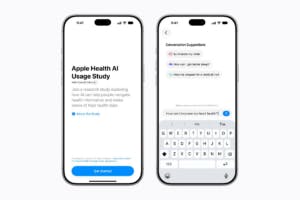
The app allows participants to ask everyday health questions and receive simplified explanations of complex medical topics. For those who opt in, it can even tailor responses based on personal health data pulled from Apple’s Health app—including metrics like resting heart rate, activity levels, and sleep patterns.
Not a Doctor Replacement
Apple is quick to clarify that the app isn’t meant to replace professional medical advice or diagnose conditions. Instead, the study focuses on understanding how AI can help users better prepare for doctor visits by improving their grasp of health topics. “By examining what drives user trust, the quality of responses, comprehension, and everyday health actions, the study aims to inform the responsible design of health AI experiences,” the company said in its announcement.

Sumbul Desai, Apple’s VP of Health and Fitness, emphasized that health is deeply personal, making this research crucial for developing trustworthy tools. “Insights from this study will help advance the broader scientific conversation and ensure that as technology evolves, we continue building trusted tools that genuinely support people,” she said.
Bridging the Gap Between Patients and Doctors
Robert M. Wachter, a leading medical expert at UCSF, noted that patients and doctors often use different AI tools, creating a disconnect. “When patients and doctors draw on versions of the same trustworthy tools, patients arrive prepared, conversations improve, and next steps happen seamlessly,” he explained. Apple’s study could help bridge that gap by identifying what makes AI health responses reliable and easy to understand.
The study is currently open to 200,000 eligible U.S. participants aged 21 and older—but there’s a catch. Only those with an iPhone 15 Pro or later can join, limiting the pool to Apple’s most recent device users.
As AI continues to reshape healthcare, Apple’s latest experiment could provide critical insights into how people interact with medical information—and whether AI can help them make better health decisions.
Source: www.dailywire.com — https://www.dailywire.com/news/apple-has-a-new-experiment-for-everyone-who-googles-their-symptoms
Background and context
The latest developments around Apple Launches Health AI Study to Track How People Google Their Symptoms come amid a broader debate over politics, institutional accountability, and the policy choices that shape everyday life. Understanding the immediate facts is only the first step; the wider impact depends on how officials, institutions, and the public respond in the days and weeks ahead.
FedFront’s coverage focuses on verifiable details, identifiable sources, and the practical consequences of political decisions. Readers should review official statements, primary documents, and court or agency records before drawing final conclusions about any disputed claims.
Why it matters
Stories like this can influence legislation, regulatory enforcement, public trust, and the balance of power between government institutions. Even when the immediate headline fades, the underlying policy, legal, or political questions often continue to shape future decisions.
What to watch next
- Official responses, statements, or policy changes
- Legislative, regulatory, or court action
- Follow-up reporting and independent verification
- Public reaction and broader political fallout
FedFront will continue monitoring this story and update coverage as new information becomes available.
Source: www.dailywire.com
Related coverage
- Sean ‘Diddy’ Combs Hospitalized After Head Injury at Fort Dix, Release Date Pushed to March 2028
- Daily Wire Essay Says AI Matchmakers Won’t Solve Dating Woes: Go Outside Instead
- Rape Suspect Accused of Kidnapping UCLA Student Dies by Suicide Day Before Court Hearing
- CBO Data Shows Transfer Payments Hit 70% of Income for Poorest Americans, Federalist Argues