
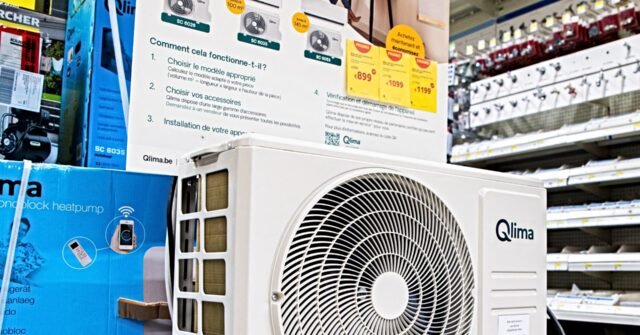
A brutal summer heat wave that killed thousands across Europe has reignited a fierce debate over air conditioning, with critics accusing wealthy nations like Belgium of willful negligence while officials defend their cautious approach.
According to a recent New York Times report cited by Breitbart News, Belgium experienced 1,747 excess deaths during a recent heat wave, part of a broader European toll of 16,000 heat-related deaths. In the Wallonia region, more people died in a single day from the heat than on the worst day of the COVID-19 pandemic. From mid-June to early July, the death rate in Belgium was 77 percent above normal, with 85 percent of victims over age 65.
The Times painted a grim picture: seniors dying in stifling apartments, overwhelmed emergency lines, and hospitals treating heat-stricken patients in wards without air conditioning—this in one of the world’s wealthiest nations.
Despite the toll, many Belgians remain hesitant to install air conditioning, citing concerns about health, germs, and the environment. One doctor told the Times that patients feared AC would make them sick, while another bluntly stated, “Belgians do not want to be Americans,” with thermostats set at “65 degrees.”
Belgian officials argue against leaning too heavily on climate control, worried that widespread AC could strain the power grid and worsen urban heat by pumping hot air into the streets. But critics say this is no excuse for inaction.
Breitbart’s John Nolte sharply criticized the resistance, calling it “superstitious, anti-science nonsense” and “monstrous.” He pointed out that Belgium has endured extreme heat before—107.2 degrees in July 2019, over 100 degrees in 2003, and similar spikes in 1947—giving the country years to prepare cooling centers, educate the public, or shore up its grid.
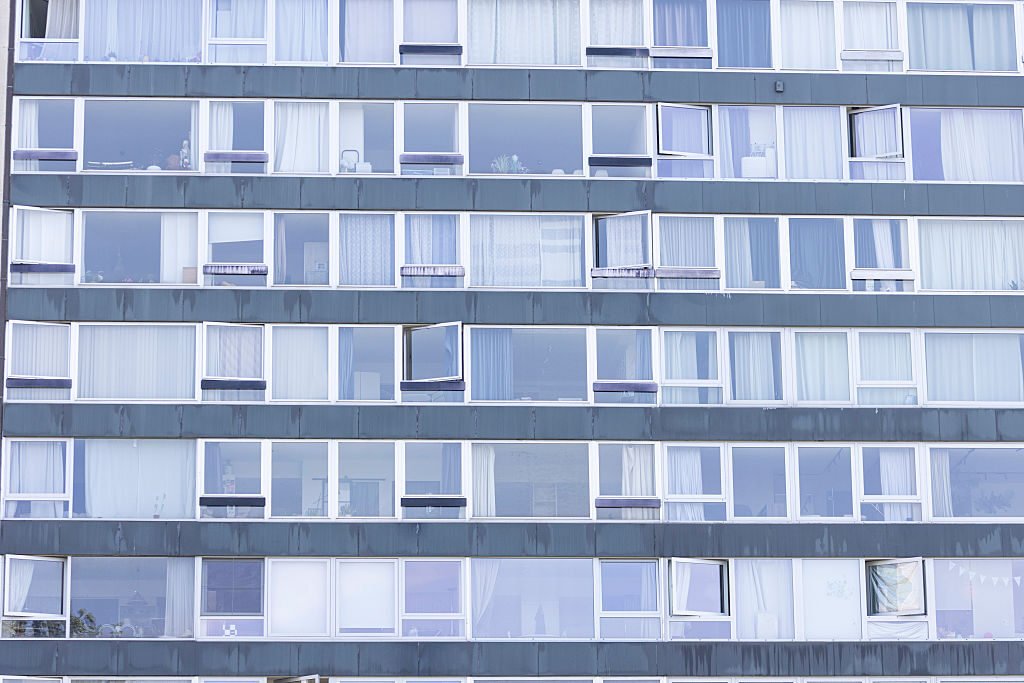
Instead, he noted, “Half of all emergency rooms in Wallonia lacked air-conditioning,” meaning people seeking relief often walked into even hotter facilities.
Nolte argued that affordable solutions exist, from $400 room units to portable coolers, and that the deaths were preventable. He accused the “modern left” of treating the elderly as a drain on resources, suggesting the deaths were tolerated because they mostly affected seniors.
“Is it beyond possibility that Europe refuses to enter the modern age because the heat mostly kills the elderly and that’s what they want?” he wrote.
The debate highlights a cultural divide. In the United States, air conditioning is nearly universal, and Nolte recounted his own experience installing central AC and a backup portable unit for his wife’s comfort. In Europe, AC remains far less common, particularly in residential buildings, where many rely on open windows and fans.
Belgian officials maintain that a measured approach is necessary to avoid overwhelming the grid, but Nolte and other critics see a failure of common sense and government responsibility.
“These are the basic actions of a civilized society,” Nolte wrote. “Ah, but in oh-so-progressive Europe and Belgium, tens of thousands of people needlessly die because the government is not looking out for the well-being of its citizens, and the citizens are so ignorant they refuse to take basic common-sense measures to protect themselves and their families.”
As climate change continues to fuel more frequent and intense heat waves, the question of how to adapt—through technology like air conditioning or through other means—will only grow more urgent. For now, the memory of a single deadly weekend in Belgium serves as a stark reminder of the stakes.
Source: www.breitbart.com — https://www.breitbart.com/europe/2026/08/19/nolte-even-after-record-heat-deaths-belgium-retards-refuse-air-conditioning/