
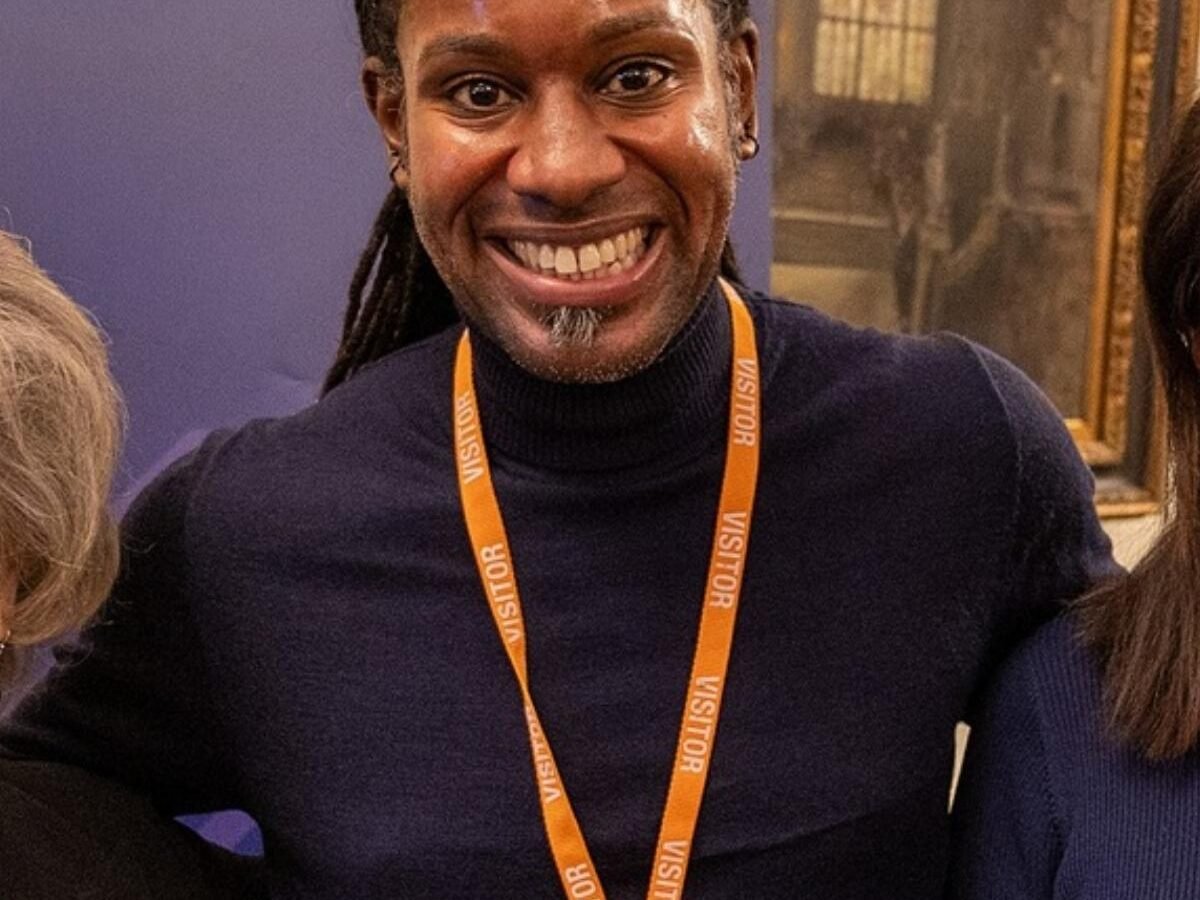
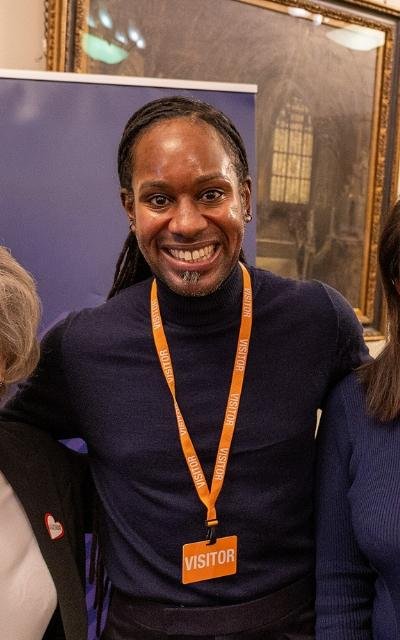
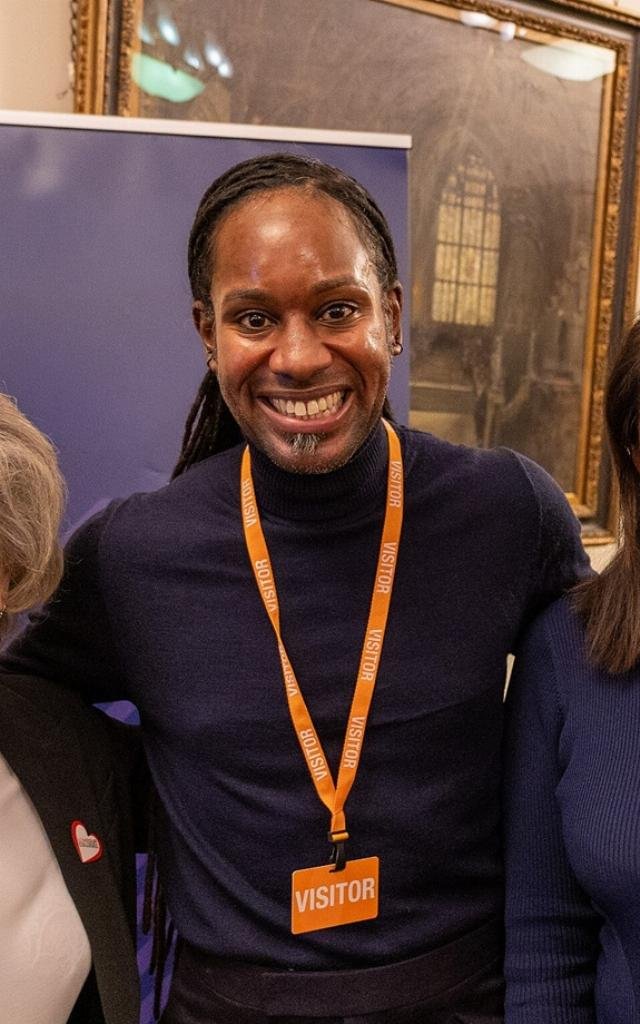
The death of Jason Arday, a Cambridge University professor who took his own life following exposure of extensive plagiarism and a wildly fabricated personal narrative, has become a flashpoint in the ongoing culture wars over diversity, equity, and inclusion in academia. Writing in American Thinker, commentator Richard Kirk argues that the tragedy is best understood not as a case of racist persecution, but as the predictable outcome of a university system that prioritized race-based ‘DEI credentials’ over scholarly integrity.
Arday’s story, as detailed by Kirk, was almost too good to be true — and, as it turned out, much of it was. He claimed to have been autistic and mute until age eleven, illiterate until eighteen, and to have suffered a litany of medical and physical ordeals, including a brain tumor, a coma from a car accident, a mini-stroke, and a fractured fibula sustained while running thirty-five marathons in thirty days — nine of them with the injury. He also claimed to have run 600 miles from London to Edinburgh in six days (later amended to twelve), raising £5.5 million for eighty charities. Those claims, presented in his academic bio and public persona, made him a celebrated figure in the world of DEI-focused academia.
But the academic record did not hold up to scrutiny. Kirk reports that Arday’s dissertation was ‘lifted inordinately’ from a thesis written six years earlier, and that his work was riddled with grammatical errors — even in its title, which misused an apostrophe. The original work had a similar title with a correct apostrophe. According to Kirk, neither the institution that awarded his doctorate in Liverpool nor Cambridge University conducted any meaningful verification of his background or the provenance of his dissertation. Their sole interest, Kirk alleges, was his value as a DEI credential.
The fallout from Arday’s resignation and subsequent death has been marked by a sharp partisan divide. Supporters, including Arday’s family, London Mayor Sadiq Khan, and thousands who gathered at a vigil in Trafalgar Square, have blamed a ‘campaign of sustained abuse’ and a ‘pernicious public shaming’ by the press and right-wing critics. Some have called on Prime Minister Andy Burnham to commission a public inquiry into the role of the media in Arday’s death. Cambridge University, which before his resignation called the plagiarism allegations ‘a vile campaign,’ has since focused on the mental health resources it offered Arday — a move Kirk dismisses as a ‘CYA tack.’
Kirk is sharply critical of those who frame Arday as a victim of racism. He notes that Arday himself, in a keynote address to the British Sociological Association last April, excoriated white conservatives and right-wing activists for using a ‘playbook’ to target black academics like Harvard’s Claudine Gay. Arday had also engaged law enforcement and the defamation law firm Carter-Ruck to threaten critics with ‘financially ruinous and possibly career-ending charges of racism.’
Even a somewhat sympathetic piece in The Atlantic by Graeme Wood, which placed significant blame on Arday’s enablers at Cambridge for ‘stuffing’ him into a cannon and lighting the fuse, drew Kirk’s criticism for overlooking the years of ‘press stuffing’ that built up the DEI storyline. Kirk’s central claim is blunt: ‘Arday would never have received a Ph.D., much less a distinguished Professorship at Cambridge, were it not for his race and a desperate desire for DEI credentials on the part of universities corrupted by that ideology.’
Kirk also notes a postscript that he sees as further evidence of the ideological rot: Nathan Cofnas, the academic who exposed Arday’s plagiarism, has been suspended by Ghent University. For Kirk, this underscores a system that punishes truth-tellers while rewarding those who weaponize race for institutional gain.
This is a story with no clean heroes. Arday’s own willingness to use racist smears and legal threats against his critics, Kirk argues, reveals a viciousness as despicable as that of the universities that conned. The tragedy is that a man who may have genuinely struggled — and who certainly achieved a position of immense prestige — chose to build his career on a foundation of lies. The blame for his death, Kirk insists, lies not with the ‘racists’ and ‘fascists’ who exposed him, but with the truth itself, and with an academic establishment that made such lies not only possible but rewarded.
As the debate rages on, one thing is clear: the case has become a proxy war in the broader fight over what universities value, whom they promote, and whether honesty still matters in the humanities. For Kirk, the answer is that honesty has long been compromised in the service of postmodernism and political clout. And the cost, he suggests, is not just a ruined career, but a lost life.
Source: www.americanthinker.com — https://www.americanthinker.com/articles/2026/08/blame-truth-for-jason-arday-s-death/