
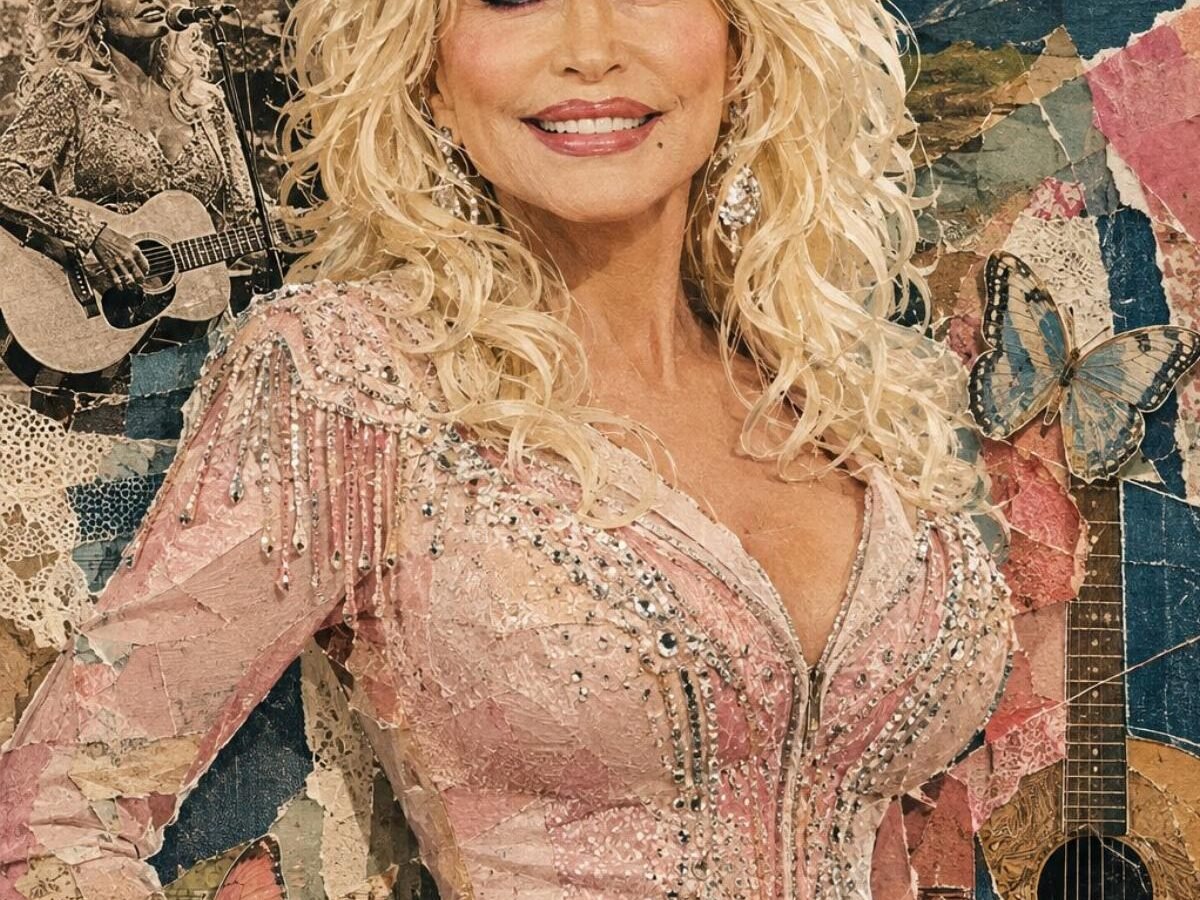
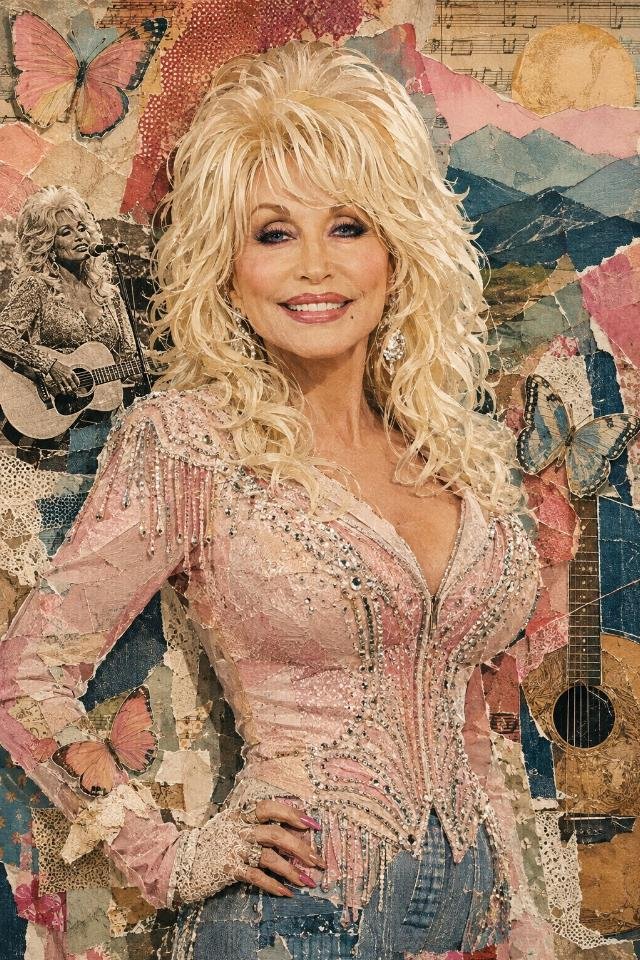
In an August 2026 opinion piece for American Thinker, writer Jack Hellner makes a bold case: instead of teaching students that socialism and communism are great, schools should teach how capitalism and living in the United States allowed someone like Dolly Parton to have a wonderful and successful life. Hellner, a regular conservative commentator, uses Parton’s rags-to-riches story as a vivid illustration of economic mobility under free-market capitalism — a story he says is too often ignored in favor of critiques of inequality.
Parton, born in 1946 in rural Tennessee, grew up in a two-room house shared with thirteen other people. Her father was a sharecropper who could not read. By any measure, her beginnings were bleak. Yet today she is a global icon — a singer, songwriter, actress, and philanthropist whose net worth runs into the hundreds of millions. Hellner argues that this transformation was only possible because of capitalism. “Only because of capitalism did Dolly move up the economic ladder,” he writes, “instead of being relegated to the poor beginnings she came from.”
The piece is as much a critique of Democratic economic policy as it is a celebration of Parton. Hellner dismisses Great Society programs as measures that “essentially encourage generational poverty and keeping people dependent on the government.” He claims Democrats “fight requirements to have mentally and physically able people to work to get benefits” and want to “confiscate a greater amount from working people” to fund their agenda. His solution: lower taxes, less government, and more individual freedom.
The 91% tax rate and the rich
One of Hellner’s more pointed arguments is historical. When Parton was born, the top marginal income tax rate in the United States was 91%, kicking in at $200,000 — roughly $3.4 million in today’s dollars. He credits tax rate cuts under John F. Kennedy, Ronald Reagan, George W. Bush, and Donald Trump for making it easier for people like Parton to accumulate and reinvest wealth.
Economists, however, often note that high top marginal rates in the mid-20th century did not stop economic growth — the post-war era saw rising productivity and a growing middle class. But Hellner argues that the current system is better suited to incentivize wealth creation, and he warns that Democratic proposals to raise taxes would stifle the very mobility that allowed Parton to thrive.
The multiplier effect of private philanthropy
Hellner also highlights Parton’s well-known philanthropy. She funded the creation of a COVID-19 vaccine and has long supported literacy programs through her Imagination Library, which sends free books to children. Hellner frames this as a “multiplier effect” — money kept out of government hands and spent or donated privately, benefiting more people than if the state had confiscated it in taxes. “Think of the multiplier effect of her keeping her money instead of the government confiscating so much more, as the Democrats want,” he writes.
It is a classic conservative argument: private charity is more efficient and more moral than government redistribution. But it also raises questions. Parton’s philanthropy, while considerable, is a choice; government programs are designed to provide a baseline of support for millions who cannot rely on the generosity of celebrities. Critics point out that not everyone is a Dolly Parton — and that a safety net exists precisely for those who never made it.
A tale of two economies
Hellner’s piece is not shy about its disdain for Democratic policy. He calls the Affordable Care Act a failure, writing that “costs to almost all of us have skyrocketed, but a small percentage of people get it for nothing because of huge government subsidies.” He dismisses Democratic claims about making things more affordable as “fictional talking points.”
His prescription is clear: cut taxes, reduce regulations, and let people keep more of what they earn. “Freedom of choice is extremely important,” he writes, “and the greatest force to lift all boats.”
But Parton’s story may be more complicated than a simple capitalist parable. She has often spoken warmly about her rural roots and has been a vocal supporter of charitable causes, but she has also been careful to avoid partisan labels. She declined to run for office despite encouragement, and she has donated to both Democratic and Republican causes. Her appeal, like her music, crosses political lines.
Moreover, while Hellner credits capitalism for Parton’s rise, scholars note that the U.S. economy has always been a mixed system — with public infrastructure, public education, and even government-backed loans helping many entrepreneurs. Parton’s father was illiterate, but she attended school and later moved to Nashville to pursue music — opportunities shaped by both market demand and public investment.
The lesson for students
Hellner’s core argument — that schools should teach the virtues of capitalism through real success stories — is likely to resonate with many on the political right. He urges educators to present figures like Parton as proof that hard work and opportunity, not government dependency, are the keys to a good life.
Whether that lesson is complete is another question. Hellner’s article does not dwell on the fact that Parton benefited from a social safety net in her own upbringing — or that her success is not typical. For every Parton who escapes poverty, many others remain trapped. But Hellner would likely respond that the solution is not more government, but more capitalism — and more freedom.
In the end, the piece is a tribute to American optimism. “God bless Dolly Parton and the United States of America,” Hellner writes. “Thank goodness for capitalism.” It is a sentiment that clearly resonates with the publication’s readers — and one that frames Parton’s story as a timeless American fable, even if its moral is up for debate.
Source: www.americanthinker.com — https://www.americanthinker.com/blog/2026/08/the-lessons-of-dolly-parton-and-capitalism/