
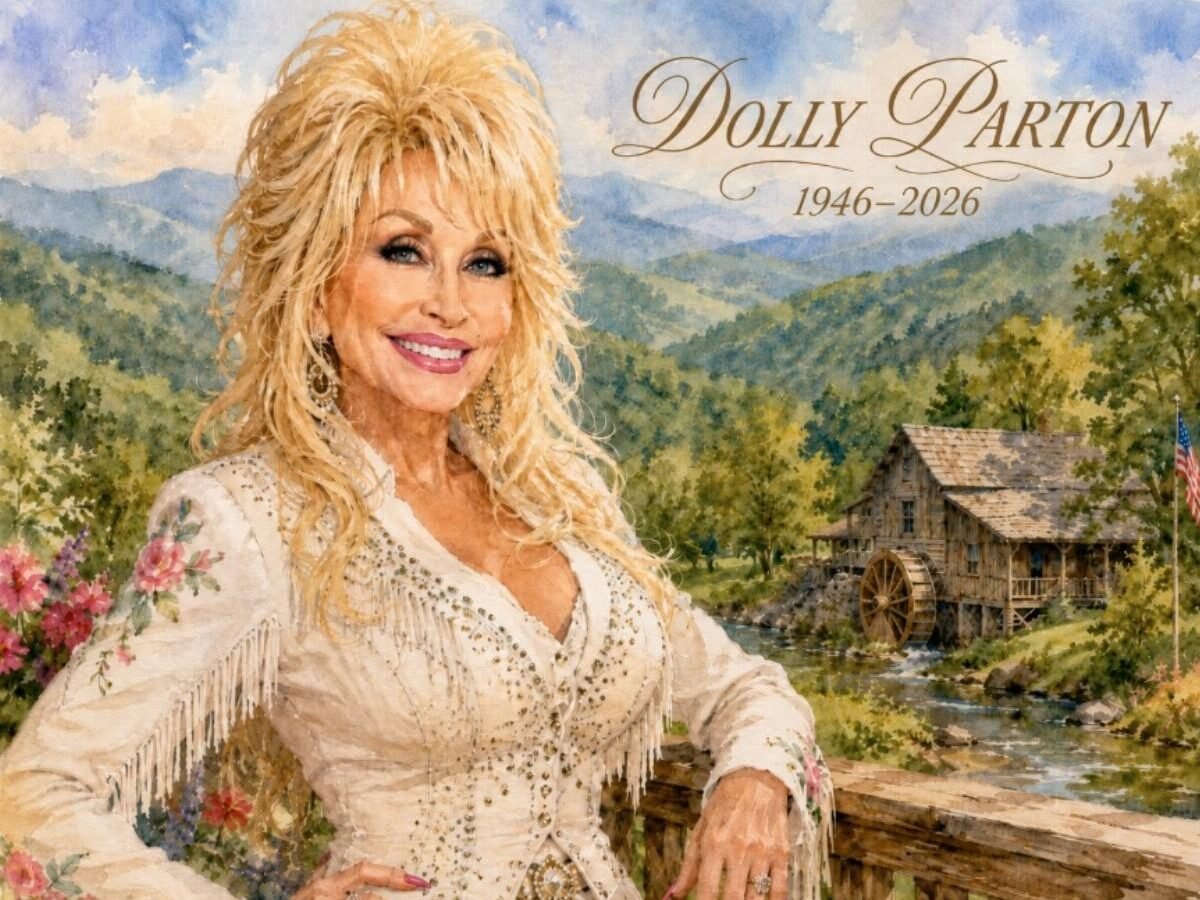
The passing of Dolly Parton has prompted reflection not just on her music, but on the woman herself. In a recent tribute on American Thinker, writer Andrea Widburg explores why Parton was so beloved, even by those like herself who weren’t die-hard fans of her songs. Widburg’s piece is a meditation on celebrity culture, contrasting Parton’s authentic grace with the manufactured images and often sordid realities of Hollywood’s star system.
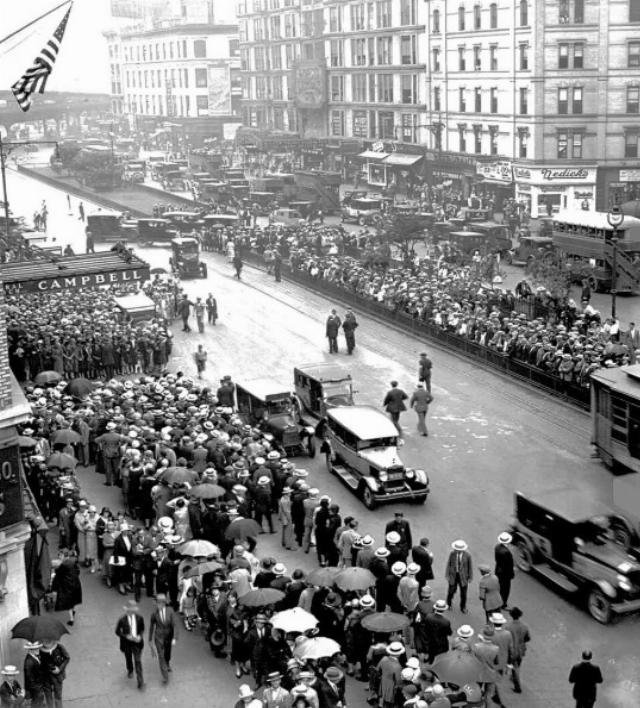
Widburg traces the origin of the star system to Carl Laemmle’s 1910 decision to promote actress Florence Lawrence by name, rather than as “the Biograph Girl.” From then on, studios meticulously crafted the public personas of their stars, hiding away personal scandals, addictions, and unappealing traits behind a carefully curated facade of wholesome, pro-American images. The public’s worship of these figures was intense, as seen in the massive funeral of silent film star Rudolph Valentino in 1926, where an estimated 100,000 people lined Manhattan’s streets to pay their respects, despite his somewhat sordid personal life.
By the 1960s, this carefully controlled system began to crumble. Widburg argues that as the curtain was pulled back, fans discovered that many actors were merely “pretty faces” masking vapidity or indecency. The stars themselves, often lacking in formal education, increasingly positioned themselves as political figures, typically espousing left-leaning, anti-American rhetoric, a far cry from the mid-century patriotism of earlier eras. In today’s world, Widburg contends, many entertainers are narcissistic and out of touch, especially when it comes to their political posturing.
It is within this context that Dolly Parton stood apart. Widburg emphasizes that Parton was “endlessly and effortlessly charming, sweet, and so very, very real.” Her wealth, rather than being spent on billionaire yacht parties or extravagant vices, was invested back into the poverty-stricken Sevier County, Tennessee, where she grew up. Widburg notes the booming businesses and middle-class homes in Gatlinburg and Pigeon Forge, crediting Parton as a major contributor to that success.
Parton’s personal life was free of the typical celebrity scandals. She was married to the same man for nearly six decades. Instead of indulging in drugs or fast cars, she focused on philanthropic efforts like the Imagination Library, which has sent millions of books to children across the Anglosphere, encouraging literacy from birth to age five.
Perhaps most notably, Parton refused to turn herself into a polarizing political figure. She used her platform to promote goodness rather than division. A powerful example cited in the tribute is her handling of Porter Wagoner’s lawsuit against her for breach of contract. Wagoner, who had helped launch her career, sued her for a million dollars and disparaged her for years. Yet, when Wagoner later fell on hard times, Parton bought his music-publishing company from his creditors and gave it back to him.
When asked if she was furious with Wagoner, she demurred, choosing to see the situation from his perspective. She acknowledged his role in making her a star and expressed gratitude and forgiveness. She helped him financially, reconciled with him, and was at his deathbed, reaffirming the words of a song she had sung to him years before. “Forgiveness,” she said, “that’s all there is.”
Widburg sees Parton’s choice of kindness over vindictiveness as the essence of her specialness. In an age where young people look up to stars who often lead sordid lives and espouse divisive politics, Parton’s example of simply being good stands as a profound contrast. Her passing has saddened Americans across the political spectrum, a rare feat in a deeply divided country.
The tribute concludes by imagining a world where more celebrities behaved like Dolly Parton—with grace, generosity, and a genuine desire to do good rather than to score political points. As Widburg reflects, Parton’s life offers a lesson in authenticity and decency that seems increasingly rare in the world of entertainment.
Source: www.americanthinker.com — https://www.americanthinker.com/blog/2026/08/dolly-parton-truly-was-a-star/