
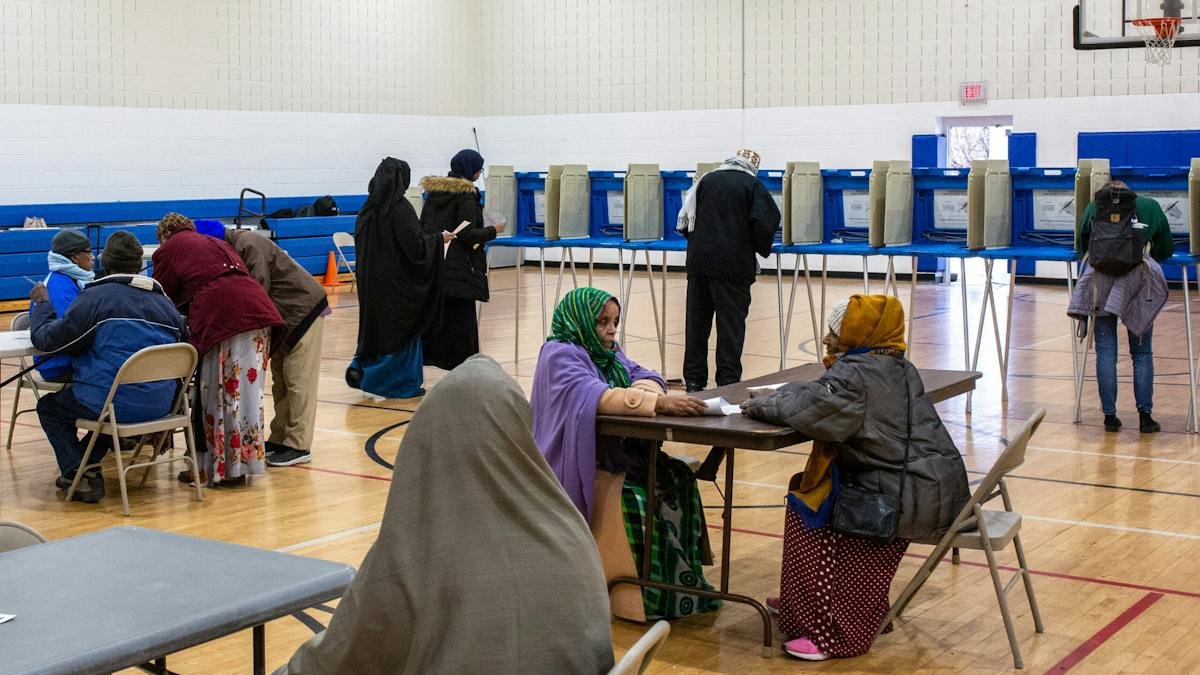
The Department of Justice has launched an investigation into allegations of improper ballot assistance at a Maine polling site, reviewing surveillance footage that reportedly shows interpreters potentially influencing how Somali voters cast their ballots.
U.S. Attorney for Maine Andrew Benson confirmed federal authorities are examining video footage obtained by The Maine Wire through a Freedom of Access Act request. The recordings, which span 140 hours of early in-person voting at Lewiston City Hall, allegedly show more than 200 instances of Somali voters receiving assistance from interpreters.
“We review all evidence concerning complaints of voter intimidation and election interference, including the video from Lewiston’s early voting at City Hall,” Benson told The Robinson Report, according to The Daily Wire. “We will not tolerate threats to the integrity of our elections, and we look forward to working with the Attorney General’s Office and the Secretary of State’s office to defend our democracy.”
What the Footage Allegedly Shows
The surveillance videos, recorded during early voting that began October 13, reportedly capture dozens of interactions between non-English-speaking Somali voters and individuals serving as interpreters. Maine Wire reporter Jon Fetherston witnessed some of these interactions firsthand during early voting on October 20.
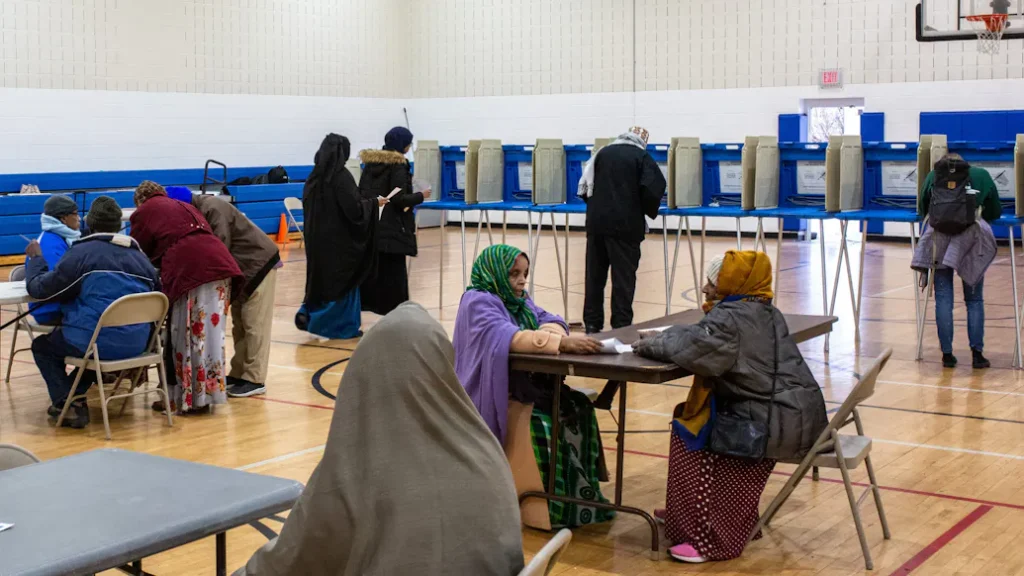
Fetherston said he observed interpreters “pointing at the ballots” and “a couple of people actually touching the ballots” while assisting voters. The outlet shared footage on social media showing what it described as multiple “aides” helping individual voters mark their ballots.
A Department of Justice spokesperson confirmed an investigation is underway but declined to offer additional details about the scope or direction of the probe.
What Maine Law Permits
Maine election law does allow certain voters to receive assistance at the polls. Voters who cannot read or mark a ballot due to physical disability, illiteracy, or religious faith may request help from an aide. That assistant is permitted to read the ballot or mark it according to the voter’s expressed wishes.
However, the law explicitly prohibits aides from directing a voter’s choices or otherwise influencing how they vote. Whether pointing at or touching a ballot violates these rules depends on whether the interpreter is following the voter’s directions or attempting to sway their decision.

The distinction matters legally but can be difficult to establish without audio or additional context showing what instructions were given.
Timing Raises Stakes
The investigation comes at a sensitive moment politically. Republican Senator Susan Collins faces a competitive reelection battle against Democrat Troy Jackson in a race polling suggests could be decided by a narrow margin. In a state where thousands of votes can determine the outcome, any questions about ballot integrity carry heightened significance.
The federal review also arrives as the DOJ has ramped up prosecutions related to illegal voting in the final stretch before the November 3 election. Earlier this month, The Daily Wire exclusively reported that federal authorities charged dozens of foreign nationals with illegally voting in American elections or registering to cast ballots.
Those charges spanned multiple states including Nevada, Pennsylvania, California, Florida, and New York. Nearly all of the accused are lawful permanent residents, with only one illegal immigrant among those charged.

Broader Context on Election Enforcement
The Lewiston investigation represents one piece of a broader federal effort to scrutinize potential election law violations. Federal prosecutors have signaled their willingness to pursue cases involving improper assistance, illegal registration, and non-citizen voting as Election Day approaches.
For Maine officials, the review puts a spotlight on processes designed to accommodate voters who need language assistance while maintaining safeguards against undue influence. Lewiston has a significant Somali population, many of whom are newer Americans or individuals still learning English.
Balancing access for voters with limited English proficiency against the need to prevent ballot manipulation presents an ongoing challenge for election administrators. The question in this case will be whether the assistance provided crossed the line from helping voters exercise their rights to directing how they should vote.
As the investigation unfolds, federal authorities will need to determine not just what the footage shows, but whether any actions captured on video violated federal or state election laws. With the election just days away, the outcome of that review could have implications well beyond this single Maine city.
Source: www.dailywire.com — https://www.dailywire.com/news/doj-reviewing-video-after-claims-somali-voters-were-illegally-coached