
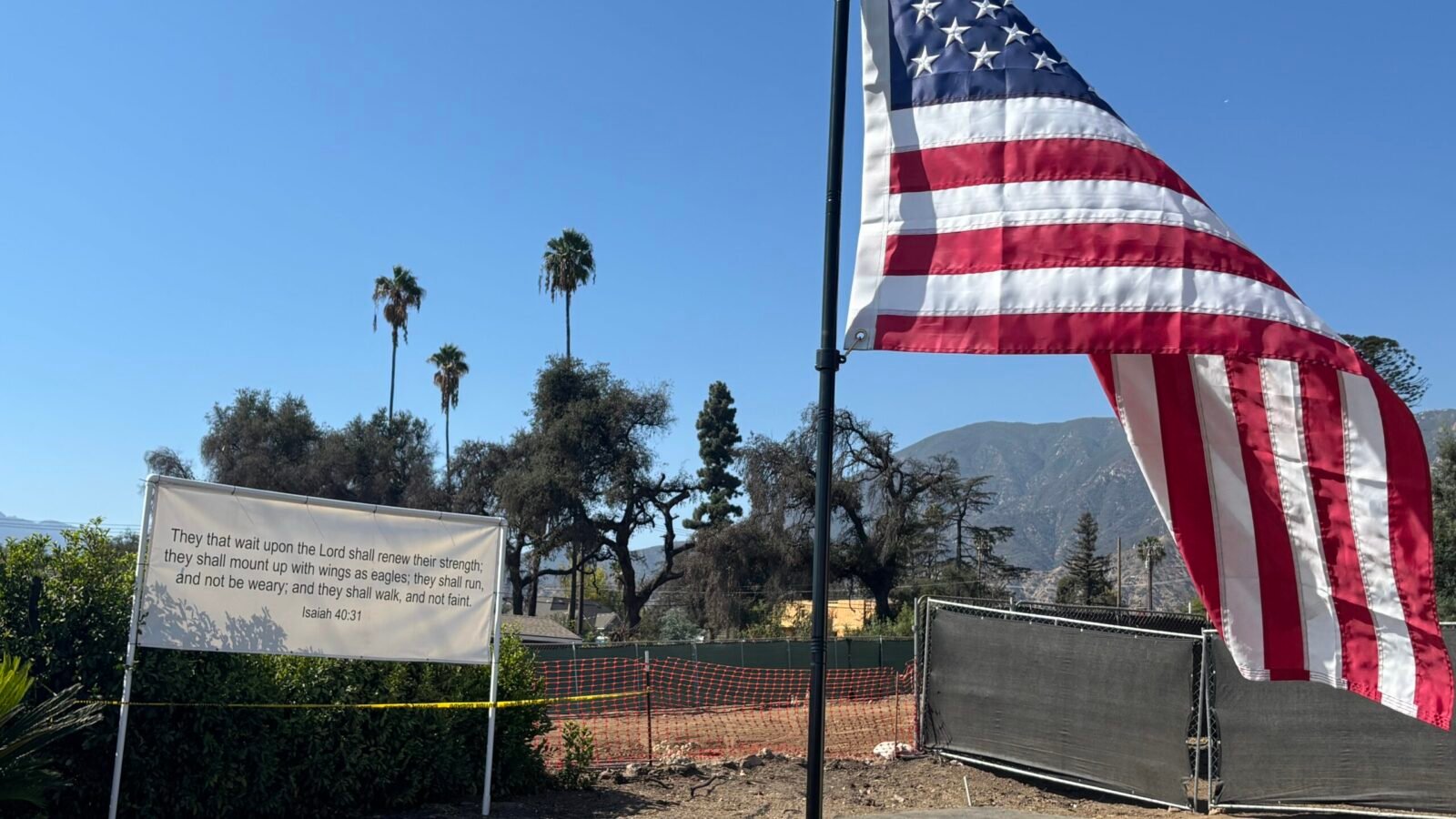
ALTADENA, Calif. — The hillside community of Altadena is rebuilding faster than its more famous neighbor, Pacific Palisades, but the recovery still faces a distinctly political roadblock: insurance delays and a state regulator that one local official says should be “ashamed” of its inaction.
Nearly 20 months after wildfires destroyed about 6,000 homes in the unincorporated Los Angeles County community, Altadena has just passed the 50 percent mark for rebuilding permits, according to The Federalist. The pace is quicker than in the Palisades, but the landscape is a checkerboard — new homes rising in rows, punctuated by vacant lots where construction hasn’t started.
Local leaders credit one elected official for pushing the process forward: Kathryn Barger, the only Republican on the five-member Los Angeles County Board of Supervisors — and the last GOP officeholder in the county’s two biggest local governments. The 15-member Los Angeles City Council has no Republicans at all, and Barger’s four colleagues on the board are, in the words of one observer, “performance-art leftists” who lack the sharpness of their predecessors.
Barger, who represents the area, told The Federalist that her role in the recovery is simple: “That’s my job. I made a commitment that the survivors didn’t have to fight the bureaucracy to rebuild.”
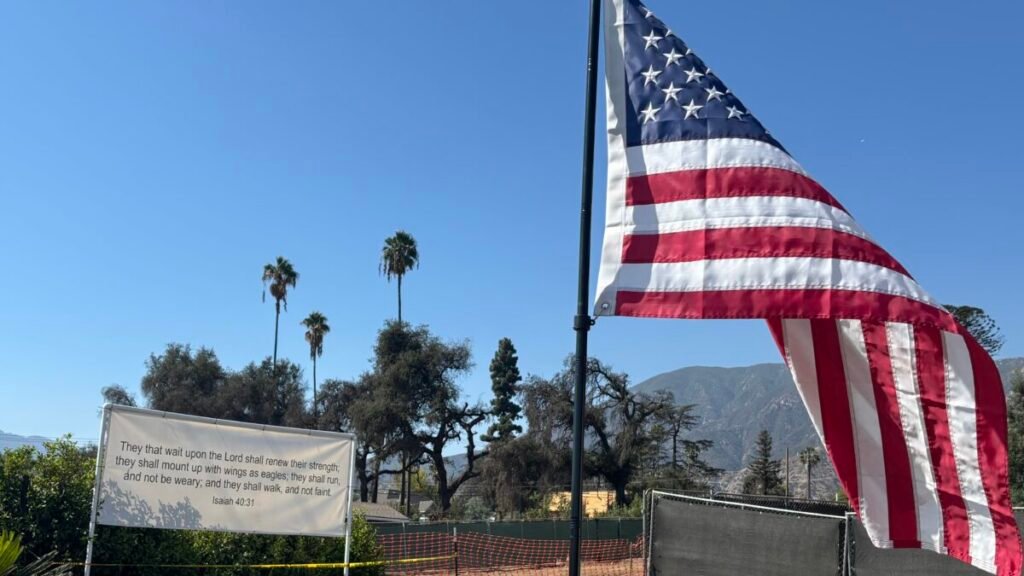
Longtime Altadena resident Steve Lamb, who lost his home of 38 years in the fire, credits Barger directly. “Altadena is rebuilding faster than other communities entirely because of Supervisor Barger’s hands-on, take-no-prisoners personality working to force the bureaucrats to do something approaching the right thing,” he told The Federalist.
Faster Permitting, But Insurance Delays Persist
Barger says the county has made real progress in streamlining the permitting process. A pilot program now allows homeowners and their architects to self-certify building plans, declaring compliance with county codes as they submit them. Another pilot, called eCheck, uses AI to review building plans. Combined with a one-stop permitting center in Altadena, the county has cut building and permitting timelines from six to nine months down to about 30 days.
Barger sees an opportunity to make these emergency-driven changes permanent, turning faster government into the new normal for everyone.
She also credited the Trump administration with accelerating the early recovery. When the president heard how long it would take to clear burned-out properties, Barger told The Federalist, he ordered the Army Corps of Engineers and the EPA to add resources and move faster, dramatically speeding up the first phase of the response.

But the biggest remaining obstacle is insurance — and that’s where the politics come in. Barger described “horror stories” from constituents who, 20 months after the fire, still don’t have the money they need to rebuild. Some insurers, she said, seem to be dragging out claims in hopes that homeowners will accept smaller payouts out of desperation.
“Some of the worst insurers are treating the people they insured like the companies are doing them a favor,” Barger told The Federalist, rather than meeting a contractual obligation.
‘When You Politicize an Office Like This, This Is What You Get’
Barger’s frustration extends to California’s insurance regulator, which she says is failing to enforce the rules. “The California Department of Insurance should be ashamed of themselves,” she said. “They’re not enforcing, in my opinion, what they need to be enforcing.”
California switched from an appointed insurance commissioner to an elected one in 1988, a change that Barger says has produced exactly the kind of leader you’d expect from a politicized office. Current Commissioner Ricardo Lara has no professional background in insurance — he holds degrees in journalism and Chicano studies — and is known for lavish foreign travel and spending little time in his state office. He’s also made history as the first openly gay person elected to statewide office in California.
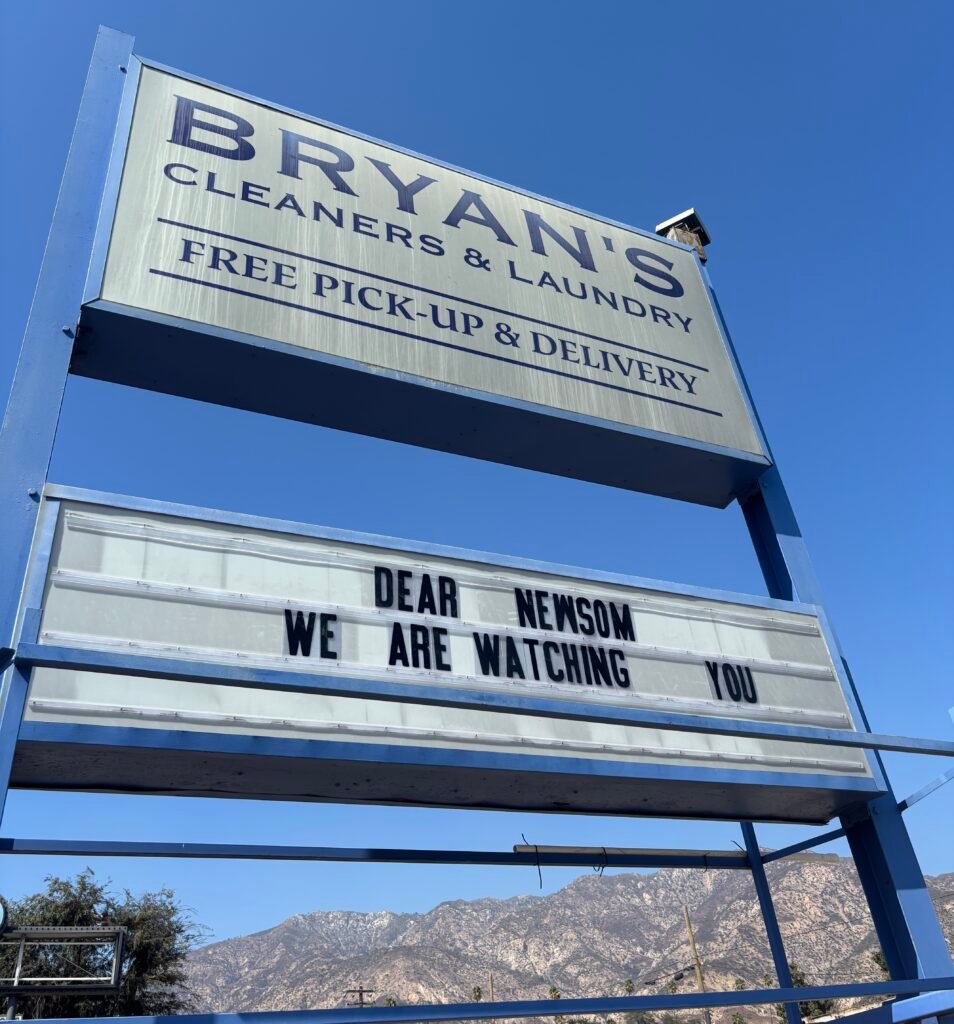
“When you politicize an office like this,” Barger told The Federalist, “this is what you get.”
Lara’s office did not respond to The Federalist’s request for comment in the article.
State Density Laws Threaten the Community’s Character
Another growing controversy in Altadena involves rebuilding that’s turning burned-out single-family homes into high-density housing. Barger notes that this isn’t a county choice — state housing laws encourage developers to maximize density. “Sacramento sneezes, we get a cold,” she said.
Pending legislation may exempt Altadena from some of those state density rules for a few years, though the proposal has drawn predictable outcry from housing activists.
Despite the challenges, Barger remains optimistic about Altadena’s future. Rising prices and displacement pressures were already reshaping the community before the fire, but she sees families with deep roots choosing to rebuild.
“I think it’s going to resemble the Altadena pre-fire,” she told The Federalist.
If that happens, she’ll have played a significant role. In a political landscape where performance often trumps substance, Barger offers a different model — one that delivers results. “You can vote for a Ricardo Lara government, or you can vote for a Kathryn Barger government,” the article concludes. “Californians mostly keep choosing the one that doesn’t work.”
Source: thefederalist.com — https://thefederalist.com/2026/08/27/altadenas-post-fire-rebuild-proves-you-can-have-woke-or-effective-leaders-but-not-both/