
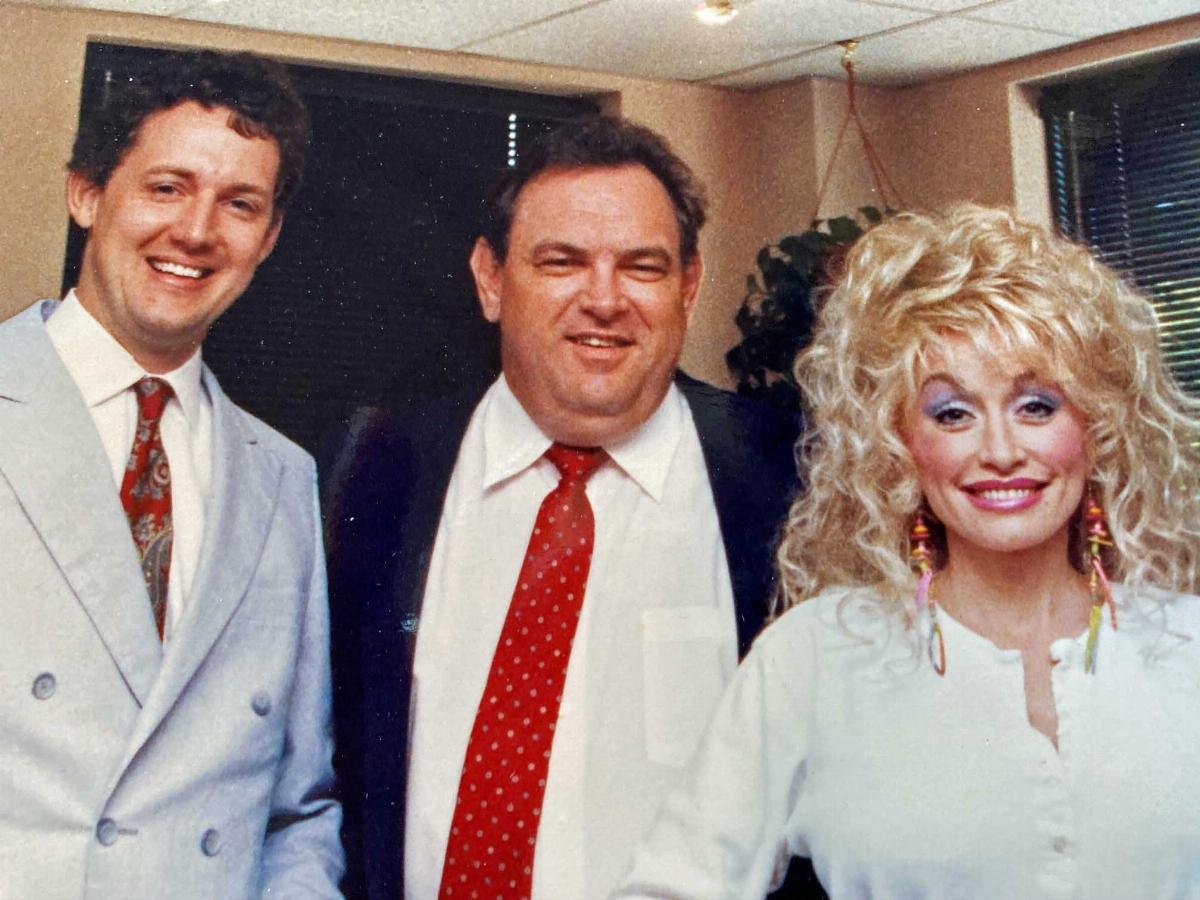
It was the summer of 1990, and the studio was decorated like a winter wonderland. Christmas lights, snow globes, cotton balls, and a Santa with his reindeer were meant to conjure holiday cheer in the middle of a roasting July day. But for John Perry, a radio producer and writer, the real magic came later—not in the recording booth, but in a quiet moment with Dolly Parton that he says he has never forgotten.
Perry, who co-produced an hour-long Christmas radio special featuring Parton, tells the story in a recent first-person essay for American Thinker titled “My Christmas with Dolly: A Love Story.” He describes how he and his partners convinced Columbia Records to lend them their biggest country star, along with her upcoming Christmas album, for a syndicated special that would be pitched to radio stations one at a time. In the pre-Internet era, that kind of deal was a major business opportunity—but it came with pressure. The session was booked months ahead of the December air date, and expenses were already piling up.
“Succeed or fail, we were out thousands in expenses,” Perry writes. “We wanted to look professional and get off on the right foot.”
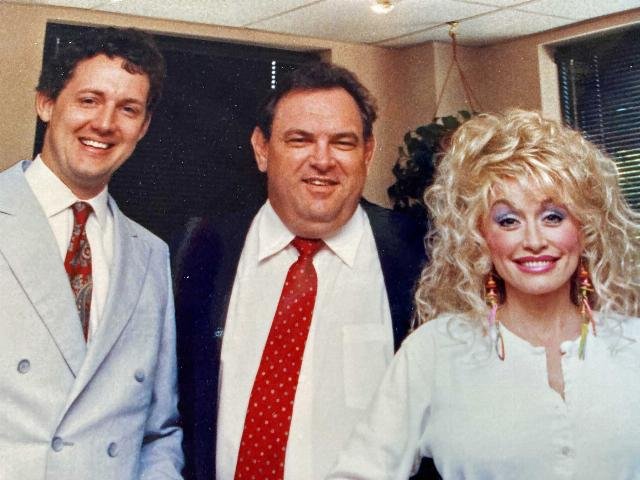
That meant jackets, ties, and name tags for the whole team. They triple-checked equipment, scripts, and even the flowers in the ladies’ room. They were ready for anything—or so they thought. As the scheduled time approached, the team watched out the window for a limousine. Instead, a Honda sedan pulled into the VIP spot. Out stepped Dolly Parton. “A quick reminder to us that real stars don’t need the props,” Perry notes.
Parton arrived on time, accompanied by a single high school friend who had driven her there. Her entourage was one person. Her thousand-kilowatt smile, Perry writes, was even more spectacular in person—and her hair even more remarkable. She greeted everyone warmly, shook hands all around, and was ready to work. Her only request before starting: “Fellas, you can take those name tags off!”
A Rare Kind of Star
Perry had dealt with his share of difficult celebrities. He recalls a household name who gave him “thirty minutes” for a two-hour session, and another who called from the parking lot to say he didn’t feel like working that day. Dolly Parton was the opposite. She cheerfully took direction from unknowns, re-did takes without complaint, and kept the energy high throughout the session.
Instead of sticking to a script, Perry sometimes asked Parton to speak in her own words about the feelings and memories the Christmas songs brought up. That decision would lead to the day’s most memorable moment—though it didn’t happen in the studio.
The session wrapped smoothly. The team had everything they needed to produce “a knockout program,” Perry writes. They shared sandwiches in the control room, exchanged small Christmas presents, and Parton left with genuine thanks and cheery good-byes. “It was a glorious day,” Perry recalls, “one of those rare sessions when everything fell perfectly into place.”
The Quiet Corner
Months later, at a reception on Music Row celebrating the show’s 700th station signing, a preliminary mix played softly over the PA system. Perry noticed Parton across the room, alone, facing the wall. He walked over, and the two of them stood in a quiet corner. When she turned, tears were streaming down her face.
The audio playing was Parton’s answer to Perry’s question about her favorite Christmas. She was thirteen, and it was the first Christmas after their family got electricity—the first time they had lights on the tree. It was also the year her father asked all the children if they would give up their presents so he could buy their mother the wedding ring he had never been able to afford. They said yes. On Christmas morning, he hid the ring on the tree, and whoever found it would get a prize. Dolly found it, she later said, “of course,” around a bubbling light in the back. She cried, her father cried, everybody cried—and it became the best Christmas ever.
Listening to her own recollection now, backed by soft music, Parton was crying again. Perry writes that in that moment, she was no longer the megastar with Grammys and Oscar nominations, but still the same grateful, humble, compassionate person she had always been. “Fame makes some people hard and insufferable,” he reflects. “Fame made Dolly Parton a legend the world will love forever.”
Perry’s essay is a personal tribute—a reminder that behind the iconic hair and the dazzling smile, the real Dolly Parton remains deeply connected to her roots. For him, the moment was a gift he says he has never forgotten. “And I’ll love her forever.”
Source: www.americanthinker.com — https://www.americanthinker.com/articles/2026/09/my-christmas-with-dolly-a-love-story/