
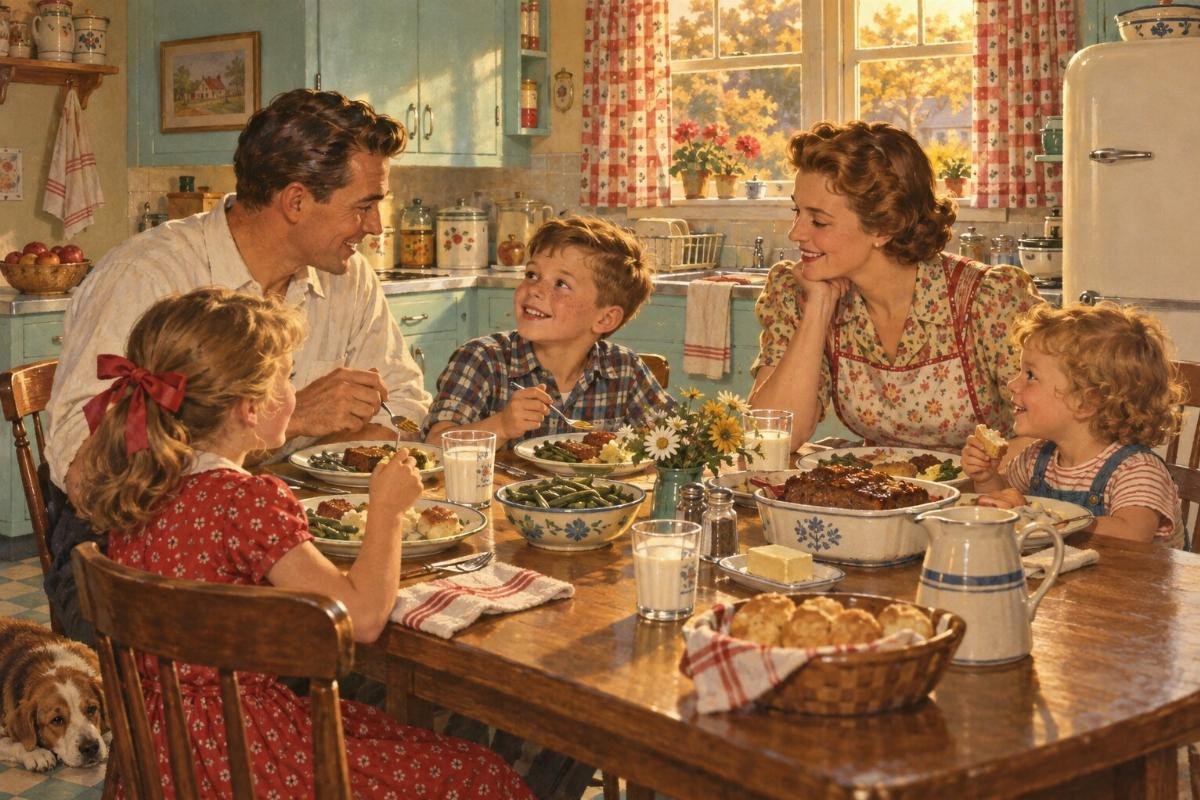
Financial stress rarely announces itself politely. It shows up as a grocery bill that keeps climbing, an electric bill that lands at the worst possible moment, a car repair nobody budgeted for, school supplies and medicine that can’t be postponed. As R. D. Swartz puts it in a September 21 commentary for American Thinker, for many households the economy isn’t an abstract debate — it’s the kitchen-table math of deciding which bills get paid and which expenses simply have to wait.
Swartz’s argument is deliberately unglamorous, and that’s the point. Rather than treating economic anxiety as a purely political problem to be solved from Washington, the piece focuses on what happens inside the home when money runs short. When a budget was comfortable, spending decisions were easy. When it isn’t, every choice becomes a ranked priority: something gets delayed, something gets trimmed, and someone often goes without.
When a Bill Becomes a Blame Game
The trouble, according to Swartz, is that money problems have a way of mutating into family problems. Tired and worried people start searching for someone to fault. Why did we buy that? Why didn’t we save? Why did you spend on this? An argument about this week’s groceries, he notes, can spiral into a grievance about a purchase from six months ago. The original financial problem remains unresolved — and now the family has a second problem layered on top of it.
His proposed antidote is simple and almost stubbornly practical: remember that you’re a team. Hard times mean sacrifice becomes part of the household equation, which is neither fair nor pleasant. But Swartz frames sacrifice as part of adulthood, marriage, and especially parenting. Someone postpones something they need; someone gives up something they want; plans change. The damage, he argues, comes not from sacrifice itself but from the resentment that can accompany it.

Replace the Argument With a Plan
Where Swartz is most concrete is in his call to swap the family argument for a family plan. He lays out the questions he thinks households should ask together: What’s coming in? What’s going out? What must be paid? What can wait? Where can spending be cut? Is there a realistic way to bring in more income? Are there trustworthy free resources worth checking?
None of this is exotic advice, and Swartz doesn’t pretend it is. He acknowledges that money entering and leaving a household are simply facts of life, and that lean seasons demand more deliberateness about both. Impulse shopping at the grocery store may no longer be an option — an unpleasant reality, he writes, that pretending away won’t fix.
What to Tell the Kids — and When
Swartz draws a line on how much children should carry. Young kids, he argues, shouldn’t lie awake worrying about credit-card debt or whether the electric bill will get paid; they need protection from burdens they aren’t ready for. Teenagers are a different case. Telling a sixteen-year-old “we can’t afford that right now” isn’t cruel, in his view — it’s preparation. Most people aren’t born with trust funds, and the birds eventually leave the nest. Before they do, Swartz says, they should grasp the basics of saving, spending, debt, interest, and living within your means. Learning that money has limits is training, not punishment.
He also resists the idea that a family plan has to work on the first try. Maybe the expense cuts aren’t deep enough. Maybe the side-income idea fizzles. Maybe everyone does well for a few weeks and then drifts back into old habits. Swartz’s response is to adjust and try again, drawing a distinction between a strategy that failed and a family that failed to try at all. Ignoring the problem doesn’t help, fighting about it doesn’t help, and pointing fingers certainly doesn’t help. Searching for solutions together, he suggests, just might.

The Holiday Squeeze and the Guilt Question
With the holiday season approaching, Swartz notes that the pressure intensifies. Advertisements and social media imagery relentlessly suggest what Christmas, birthdays, and vacations are supposed to look like, until it can feel as if love itself carries a price tag. His counterargument is blunt and affectionate: a smaller Christmas is still Christmas. A simple birthday is still a birthday. A family meal doesn’t need a restaurant receipt to matter. Some years are abundant, some are lean — and children can still laugh, families can still eat together, traditions can continue.
That message is aimed squarely at the parent quietly asking, “Am I failing my family?” Swartz insists that financial hardship isn’t automatic evidence of personal failure. Responsible, hardworking people sometimes watch expenses outpace income; jobs vanish, emergencies happen, debts pile up, life gets more expensive than anyone planned. There’s no shame, he writes, in looking honestly at a difficult situation — but honesty should lead somewhere. Families can examine what went wrong, own what they can control, make better decisions where possible, sacrifice where necessary, ask for help when needed, and keep going. Hard work won’t solve everything, and better days don’t always arrive on schedule, but hopelessness solves nothing.
The Lesson That Outlasts the Lean Years
Swartz roots his closing argument in what he calls a deeply American determination to get back up after life knocks you down — a belief he says isn’t political and doesn’t belong to one generation. Difficulties should be faced, problems worked, responsibilities accepted, and tomorrow given another honest effort. Progress sometimes comes fast, sometimes painfully slowly, and families make mistakes along the way. What matters is looking for the next better decision instead of surrendering to anger, blame, or despair.
His final point is about memory. Years from now, Swartz writes, children may not recall the vacation that didn’t happen or the gift they didn’t receive. They may remember something else entirely: parents who faced a hard season without turning on each other. Sacrifice without bitterness. Honesty without fear. Hard work without surrender. That, he concludes, may be one of the greatest lessons a family can pass down — that when times get tough, the people around the kitchen table aren’t the enemy. They’re the team.
Source: www.americanthinker.com — https://www.americanthinker.com/blog/2026/09/hard-times-don-t-have-to-pull-families-apart/