
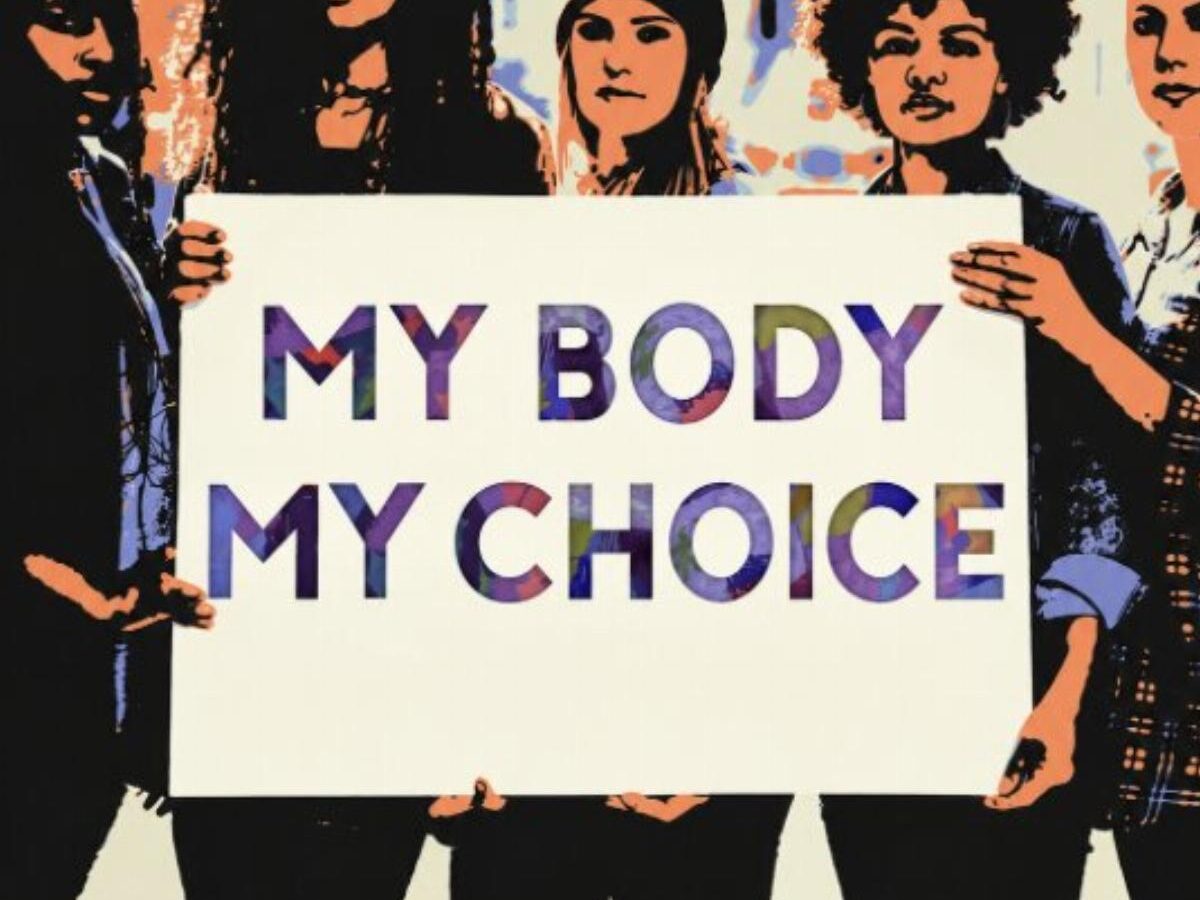
A recent commentary piece published by American Thinker, written by Bill Ponton and dated September 10, 2026, uses the outcome of the Lindsay Clancy trial as a launching point for a broader indictment of abortion rights discourse in the United States. The essay, titled “My Body/My Choice on trial,” argues that the verdict in the high-profile case reflects a cultural and moral drift that the author attributes to six decades of feminist messaging around bodily autonomy.
The central claim of the piece is that the women on the jury who absolved Clancy of guilt were, in the author’s framing, participating in a kind of collective self-forgiveness. Ponton contends that these jurors were reluctant to judge Clancy because they themselves had either terminated pregnancies or had accepted the practice in others. In this reading, the courtroom becomes a microcosm of a larger societal conflict over when, and whether, a woman’s prerogative over her own body should ever end.
The argument in brief
According to the American Thinker essay, the slogan “My Body/My Choice” has functioned for decades as a cultural permission slip. The author asserts that the phrase tells women they have the right to terminate a pregnancy while the child is developing in the womb. From that premise, Ponton argues, it was inevitable that some would eventually ask where that right stops and whether it extends beyond the moment of birth. The Clancy case, in his view, is where that question stopped being theoretical.
Ponton describes the jurors as “struggling” with the issue, ultimately unwilling to “cast the first stone” at the defendant. He interprets that reluctance not as careful legal deliberation but as a symptom of shared moral compromise. The author goes further, stating flatly that the guilt these jurors felt came from knowing that abortion is infanticide — an assertion he treats as settled rather than argued.
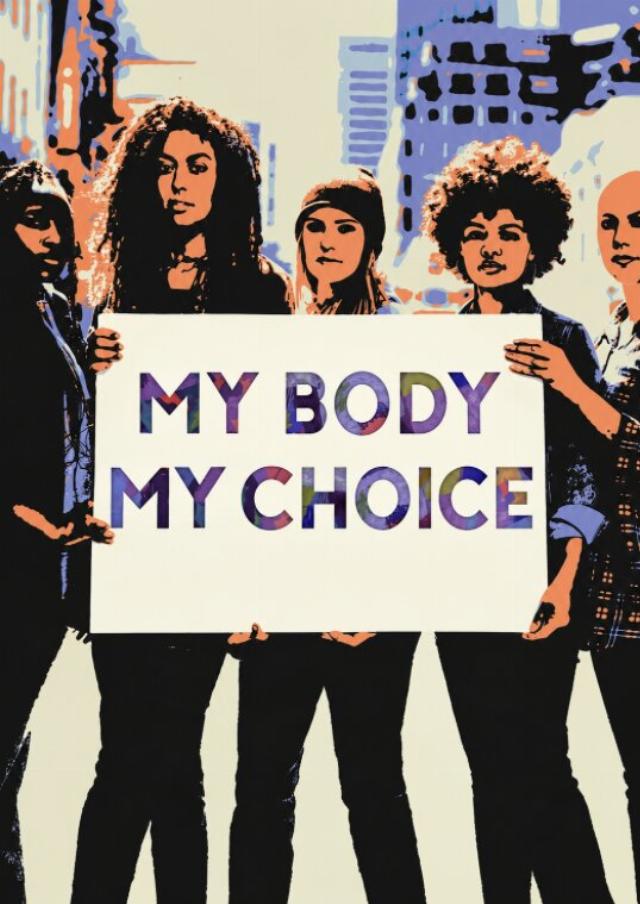
The essay also frames the trial itself as a referendum. Ponton writes that the doctrine of “My Body/My Choice” was on trial alongside Clancy, and he concludes that, like the defendant in his telling, the doctrine should be found lacking in humanity and “summarily dispatched” in the same manner the author says Clancy designed for her children. The language is intentionally provocative, and it is worth noting that the piece does not present new evidence or testimony from the courtroom; it is an overtly polemical reading of the verdict and its cultural implications.
Where the argument is coming from
American Thinker is a conservative commentary outlet, and this piece fits its typical mode: a short, sharp cultural argument that treats a news event as the latest data point in a long-running moral conflict. The essay is not attempting to report the facts of the Clancy case in neutral terms. It assumes the reader is already familiar with the case and is more interested in the author’s interpretation of what the jury’s decision means for the country.
The piece’s structure is essentially syllogistic. First, abortion is framed as infanticide. Second, the cultural acceptance of abortion is framed as the root cause of the Clancy verdict. Third, the jurors who acquitted her are framed as complicit in that broader cultural sin. Whether one accepts the first premise determines whether the rest of the argument lands. The essay does not attempt to persuade the unconvinced on that foundational point; it preaches to an audience that already shares it.
There is also a notable rhetorical move in the closing lines. After the theological language of “casting stones” and the moral verdict against the jurors, the piece pivots to a fundraising appeal for the publication itself. That is standard practice for American Thinker, but it underscores that this is an opinion essay designed to galvanize readers, not a piece of investigative journalism.
Why this piece matters beyond its own argument
Commentary like Ponton’s is useful less as a window into the Clancy case than as a window into how the abortion debate continues to shape American public life well after the Supreme Court’s decision in Dobbs v. Jackson Women’s Health Organization returned the question to the states. The essay is a reminder that the rhetorical battle over “my body, my choice” did not end with any single ruling. It has simply migrated into new contexts — jury verdicts, cultural commentary, and the perpetual argument over what the phrase does and does not cover.
Critics of the American Thinker piece will likely object to its conflation of abortion with infanticide and its assumption about the jurors’ inner lives. There is no way to know from the outside what motivated any individual juror, and the essay does not claim to have inside information. It attributes a collective guilt to the women on the panel based on the author’s own moral framework. Supporters of the piece will likely see it as a bracing statement of a position that is often softened in mainstream discourse.
Either way, the essay captures a genuine tension in American politics: the question of whether rights framed around bodily autonomy have any natural stopping point, and who gets to decide where that line falls. Ponton’s answer is unambiguous. He believes the line was crossed long ago and that the Clancy verdict is simply the latest evidence. Readers who disagree will find little in the piece to change their minds, but they will find a clear articulation of the opposing view.
What is not in dispute is the intensity of the disagreement. The essay’s language — “infanticide,” “guilty,” “summarily dispatched” — reflects a mode of argument that treats the abortion debate as a matter of good versus evil rather than policy trade-offs. That style has become increasingly common across the political spectrum in recent years, and it is likely to remain so as long as the underlying conflict over abortion remains unresolved.
American Thinker’s essay is a short, pointed entry in that ongoing fight. It does not attempt balance, and it does not pretend to. It is an argument, made plainly, for a particular moral conclusion — and it invites readers to see the Clancy verdict as proof that the other side has already won more than they realize.
Source: www.americanthinker.com — https://www.americanthinker.com/blog/2026/09/my-body-my-choice-on-trial/
Source: www.americanthinker.com
Related coverage
- Six Hospital Systems Settle With DOJ, Agree to Halt Puberty Blockers and Gender Surgeries for Minors
- Democrats’ Secret Weapon in 2026 Midterms? A Social Media ‘Echo Chamber’ That Drowned Out GOP Messaging
- Man Charged With Sledgehammering Iwo Jima Statue at Quantico, Tearing Off a Soldier’s Head
- An American Thinker Essay Argues Voters Should Choose an Imperfect Human Over a Perfectly Scripted Politician