
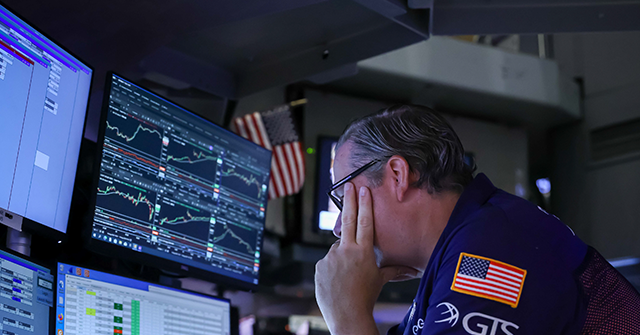
Financial markets spent much of this week in a state of high anxiety, but according to a new analysis from Breitbart Business Digest, the panic was largely misplaced. The source of the worry: a rise in long-term Treasury yields to their highest level since 2007, followed by a Treasury Department announcement that it would expand its bond repurchase program. Yet, as the analysis points out, the market’s reaction reveals more about investor psychology than about actual economic danger.
The week began with widespread concern over the long bond, as yields on 30-year Treasuries climbed to levels not seen in nearly two decades. Many in the financial press and on Wall Street interpreted this as a sign of rising inflation anxiety. But the Breitbart analysis argues that this interpretation is wrong. The key evidence: yields on Treasury Inflation-Protected Securities (TIPS) did not rise significantly. Instead, almost all of the increase in long-term yields was due to a rise in real yields — a signal that investors expect economic strength, not inflation.
When investors expect stronger growth and higher corporate profits, they demand higher returns on government bonds to compete with other investment opportunities. This dynamic, the analysis explains, is a normal and healthy market adjustment. Stocks have been performing well, and rising bond yields in this context are a reflection of optimism, not fear. The panic, the analysis suggests, may be fueled by what it calls “Trump Derangement Syndrome,” a tendency to interpret any market movement as a sign of impending doom under the current administration.
The Treasury Buyback “Freak-Out”
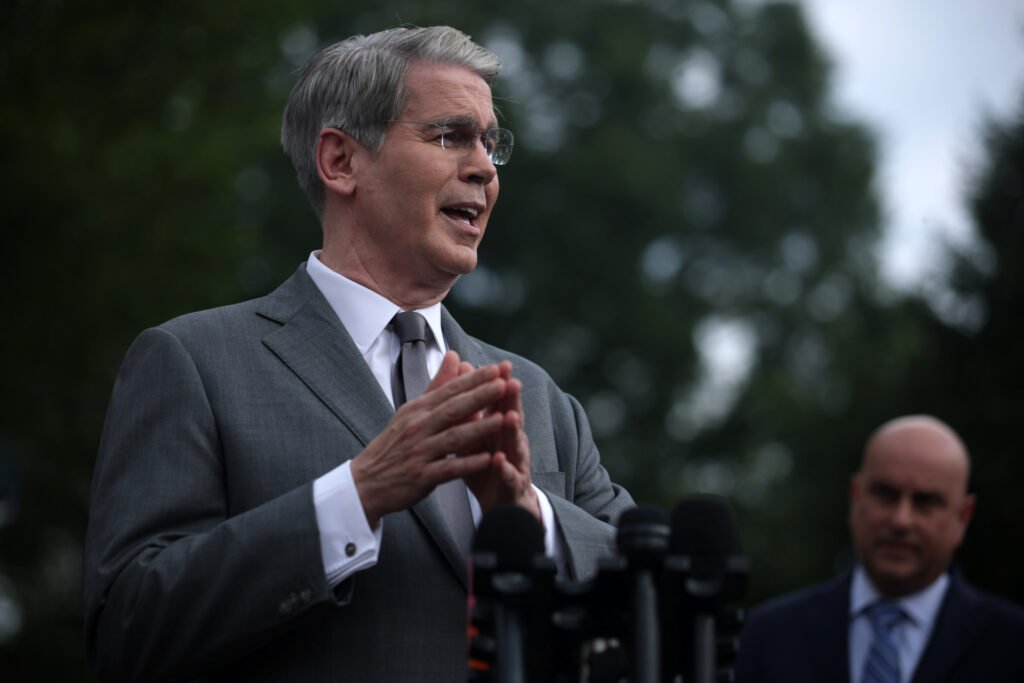
The second source of market jitters came midweek when the Treasury Department announced it would increase its bond repurchase operations — specifically, raising the amount of 20- and 30-year bonds it would buy at each reverse auction from $2 billion to $4 billion. This program, which began under former Federal Reserve Chair Janet Yellen, is designed to improve liquidity in the bond market by allowing investors to swap older, less liquid “off-the-run” bonds for newer, more actively traded “on-the-run” securities.
Critics quickly accused Treasury Secretary Scott Bessent of trying to manipulate the market, while others claimed the move signaled an imminent collapse in demand for long-dated Treasuries. The Breitbart analysis dismisses these claims as contradictory and nonsensical. The Treasury’s bond repurchases are not quantitative easing; they do not reduce the government’s debt burden or change the maturity structure of the debt in any significant way. As the analysis notes, the market trades tens of trillions of dollars in Treasuries daily, making a $2 billion per operation increase a rounding error.
“The dumbest thing was the freak-out over an increase of $2 billion per operation in a market that trades tens of trillions of dollars of Treasuries every day,” the analysis concludes.
Underestimated Hawkish Fed
While the market was fixated on bond yields and buybacks, it may have missed a more consequential development: the release of minutes from the Federal Reserve’s July meeting. The superficial reading of the minutes emphasized that nine of the 12 voting members supported leaving the federal-funds rate unchanged. But a closer look reveals a committee deeply divided between those who wanted to raise rates immediately and those who preferred to wait for more evidence.
Three officials — Beth Hammack, Neel Kashkari, and Lorie Logan — dissented in favor of a quarter-point rate hike. More importantly, “many participants” judged that policy tightening would likely be necessary if inflation did not decline. Some argued that financial conditions might not be restrictive enough to bring inflation back to the Fed’s 2 percent target. A few of those favoring an immediate increase argued that acting now could prevent a steeper and more economically costly series of hikes later. Notably, there was no faction arguing for a rate cut.
The market, however, appears to have latched onto the conditional nature of the statement — that rate hikes would only occur “if inflation did not decline.” Since recent inflation data has been relatively benign, traders have priced in a low probability of a September rate hike. But the Breitbart analysis argues that this misses the broader message: the Fed’s “hawkish reaction function” means it is prepared to act quickly if inflation stalls.

“As we read them, the minutes describe a Fed with a hawkish reaction function even if its baseline forecast is that inflation will continue to cool,” the analysis says. “It will not take much to turn the Fed toward hiking.”
The analysis also notes that Fed Chair Kevin Warsh has repeatedly emphasized his commitment to returning inflation to target, and investors may be underestimating his resolve.
Manufacturing Shows Surprising Strength
Amid the bond market drama, two regional Federal Reserve surveys delivered unexpectedly strong readings on manufacturing. The New York Fed’s Empire State index rose five points to 20.6 in August, more than double the consensus forecast and its highest level in over four years. New orders, shipments, unfilled orders, employment, and hours worked all increased.
The Philadelphia Fed’s index climbed to 47.4 from an already elevated 41.4, crushing expectations for a decline to around 25. Employment rose to its highest level since April 2022, while new orders and shipments remained strong despite a slight easing from July.
Further evidence came from the Fed board’s report on industrial output, which showed manufacturing output rose 0.2 percent in July, following a revised 0.3 percent increase in June, and was up 1.2 percent from a year earlier. The details were even more encouraging: production excluding motor vehicles increased 0.4 percent, durable-goods output climbed 0.7 percent, and business-equipment production rose 0.8 percent in July and 6.6 percent from a year ago.
The strong manufacturing data, combined with the hawkish Fed minutes, paints a picture of an economy with more momentum than many analysts expected — and a central bank poised to act if inflation reignites. For investors, the real story this week may not be the bond market’s jitters, but the underlying strength in the industrial sector and the risks of a more aggressive Fed than the market currently prices in.
Source: www.breitbart.com — https://www.breitbart.com/economy/2026/08/21/breitbart-business-digest-people-are-worried-about-the-bond-market/