
A previously sealed scouting report on Minnesota Vikings defensive coordinator Brian Flores was made public Tuesday as part of his ongoing racial discrimination lawsuit against the NFL and several teams, surfacing language his attorneys say is evidence of the stereotyping Black coaching candidates face in the league’s hiring process.
The memo, titled “Brian Flores – Strengths and Weaknesses,” was prepared by an executive search firm for the Las Vegas Raiders, according to reporting by Sport & State, a new media company founded by Clay Travis. The writeup offers an unusual read on Flores’ background for a coaching evaluation.
“Polished and a good presenter despite growing up in Brownsville, Brooklyn (same as Mike Tyson),” the report stated, before crediting Flores’ friendship with the son of a billionaire for helping him learn how to interact with “white-collar, upper-class” individuals. The document also suggested Flores could use his polished presentation to deceive executives, and described him as difficult to work with.

Attorneys Point to Stereotyping
Flores’ legal team seized on the language, calling it proof that racial stereotypes shape how NFL teams assess Black head coaching candidates. Attorney Douglas Wigdor said the newly unsealed documents reveal “two unfortunate, but unsurprising, realities” — that Flores has been retaliated against for bringing his lawsuit, and that discrimination continues to influence coaching decisions across the league.
Whether the report amounts to legally actionable discrimination is now a question for the courts. But the language itself has renewed scrutiny of how minority candidates are evaluated in a league that has repeatedly pledged to improve its hiring practices, even as it stamps “End Racism” in endzones and “Stop Hate” on helmets.
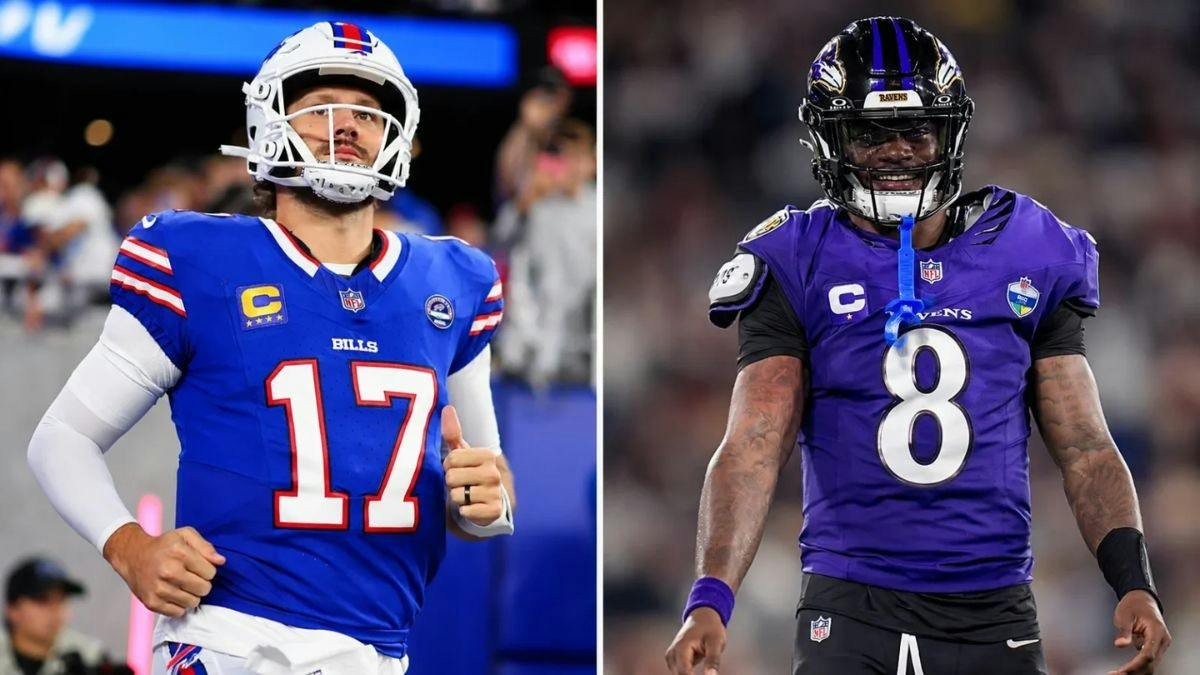
The Flores filing is not the only racial flashpoint the NFL confronted this week. A long-running debate over Buffalo Bills quarterback Josh Allen and Baltimore Ravens quarterback Lamar Jackson flared up again, this time centering on whether the two former MVPs are covered differently by the media.

The Allen-Jackson Debate, Again
Allen and Jackson have been compared throughout their careers — two elite quarterbacks who play the position in ways few of their peers can match. Too often, the online conversation drifts away from passing yards, touchdowns and playoff wins and toward a pressure to pick a side along racial and political lines.
Former ESPN personality Bomani Jones has repeatedly questioned whether Allen gets more favorable media treatment than Jackson because of race, while critics have accused Jones of applying different standards to the two players. The dispute resurfaced recently when Jones sharply criticized Allen for a costly interception after offering a more sympathetic read of a similar mistake by Jackson.
Travis, the Sport & State founder, pushed back on the racial framing, arguing fans shouldn’t feel obligated to back one quarterback over the other because of skin color. “I hate when people try and divide us by using identity politics,” Travis said on his show last week. “Seems to me that Josh Allen and Lamar Jackson have a lot in common, and that their race does not actually signify any substantial difference at all.”

In social media posts, Travis argued that identity politics have been used to suggest fans can’t root for both players, calling that idea “insane” and saying he hopes both eventually win a Super Bowl. He also drew a distinction between the debate over who is better and the debate over who is allowed to be cheered.
The Allen-Jackson argument, in other words, may say more about the people having it than about the quarterbacks themselves. Both are era-defining stars who have reshaped how modern NFL offenses operate, and both are still chasing a championship — the thing, the argument goes, they should actually be judged on.
Criticizing either quarterback for his play is not inherently a racial critique. Fans who believe Allen is the better player aren’t automatically doing the bidding of right-wing football traditionalists who want to hold back Black quarterbacks, just as fans who prefer Jackson aren’t automatically liberals unable to appreciate a great Caucasian passer. They’re just fans, with the same mix of sound and unsound opinions as any other fanbase — the same reason one writer can still insist Daunte Culpepper was better than Donovan McNabb, or refuse to give up on a backup like Shane Buechele.
The Flores memo and the quarterback wars are separate stories, but they share a common thread: a league that markets racial unity while its hiring rooms and its airwaves keep sorting people into categories. The unsealed report gives Flores’ lawyers their latest exhibit. The court will decide what it proves. For everyone else, the more immediate question is whether the low-hanging racial trash gets left at the curb — and whether owners and hiring managers get the message.
Source: www.dailywire.com — https://www.dailywire.com/news/the-nfl-still-sees-everything-in-black-and-white-but-it-doesnt-have-to-be-that-way