
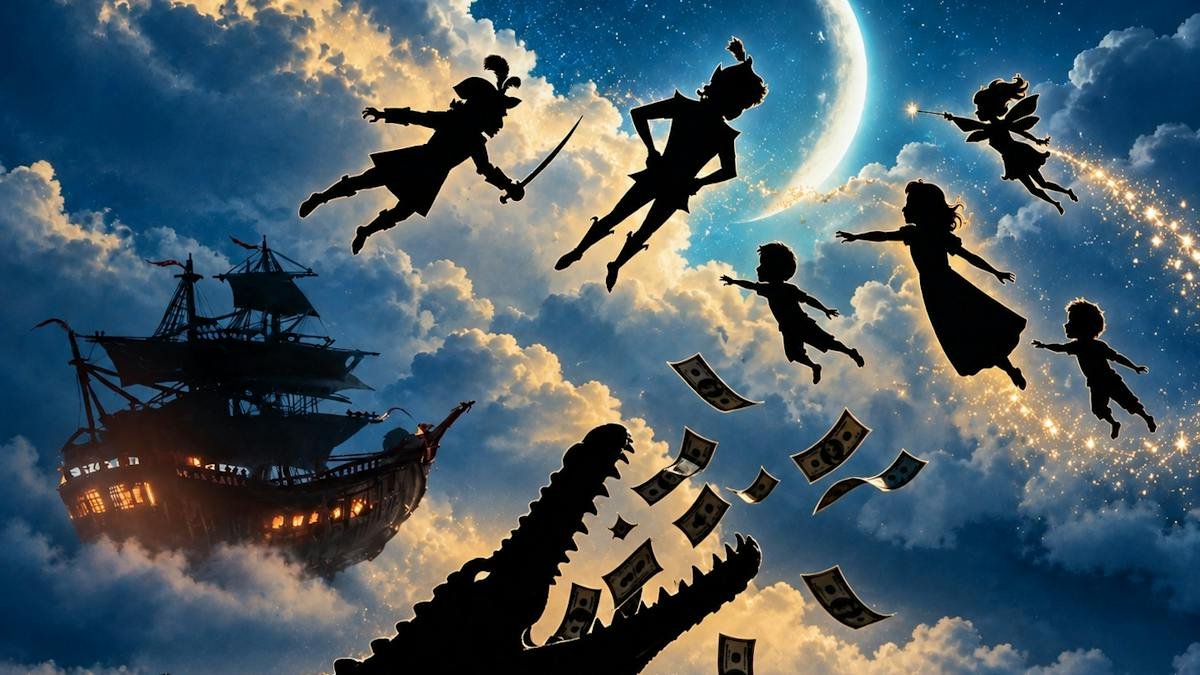
Adults without children are now the biggest customers in the American toy aisle. According to a new report from market research firm Circana, households without kids account for more than half of all U.S. toy sales, with purchases by adult-only households growing 16 percent through June — roughly 55 percent of the total market.
The finding, first highlighted in a widely circulated post on X by The Atlantic’s Derek Thompson, has touched off a fresh round of debate about why so many grown-ups are spending their disposable income on LEGO sets, collectibles, and trading cards instead of, well, kids.
Writing at The Daily Wire, columnist and mother of two Megan Basham argues that the numbers reflect a deeper cultural shift, one she traces to years of messaging telling young people that marriage is a trap and children are a burden. “I’m not saying everyone who buys a LEGO set needs to grow up,” she writes. “I don’t care if you collect Pokémon cards or have a room full of Star Wars memorabilia.” But she does think, she adds, that the country has built a culture “where being an adult sounds so miserable that people would rather spend their money trying to feel like children than actually have them.”

A market built around nostalgia
The toy industry, Basham notes, has every incentive to chase that money. Toys “R” Us is preparing to open 120 new standalone stores across the country, and adult collectors have become a growing target for manufacturers. Companies, she writes, “have every reason to pursue customers with considerably more spending money than children.”
She points to comments from entrepreneur and virtual reality pioneer Palmer Luckey, who, during a recent Punch interview with Ben Domenech, argued that LEGO is now “building collectible knickknacks for adults.” Luckey also criticized the company’s growing reliance on specialized pieces that make sets less configurable, reducing the freedom younger builders once had to turn a pile of bricks into anything they could imagine.
Basham contrasts that with her own daughter’s approach. Given a boxed set, she writes, her daughter ignores the picture on the front and builds something entirely her own — an act of imagination she sees as central to what makes childhood play valuable.

A cultural argument about what adulthood promises
The Daily Wire piece is more than an argument about toys. Basham, who describes herself as a mother who has traveled with her children since they were three months old, is making a broader case about how Americans talk — or fail to talk — about family life.
“Why do we talk about marriage and children almost exclusively in terms of what they take away?” she asks, acknowledging that children are expensive and that parenthood means giving up the freedom to do whatever you want whenever you want.
Her answer is personal. Motherhood, she writes, has “demanded more of me than anything else,” and her time is no longer entirely her own. But she says she would not trade that life for the freedom she had before it. She goes further: declaring that her favorite chapter of life has been marriage and children, and that she wishes she had started sooner.

She also raises a pointed asymmetry in how different stages of childhood are treated, arguing that some of the same voices urging adults to embrace their inner child push actual children into adult conversations about sexuality and gender identity — and tell them the planet is dying and that saving it is their responsibility. “Apparently, childhood is something to be protected only after you’ve already lived it,” she writes.
Not every case fits the story
Basham is careful to carve out exceptions. Not having children, she writes, does not automatically mean someone is avoiding responsibility — plenty of people want families but can’t have them. The toy-buying boom is also not solely a childless phenomenon; parents play with their kids’ toys routinely, and she describes setting up dollhouse scenes and arranging furniture alongside her daughter, sometimes more invested in the interior design than the child is.
The difference, in her framing, is motive. “I’m not playing with her toys because I want to be a little girl again. I’m playing with them because I’m her mother,” she writes. “I want her to have a wonderful childhood. I also want her to grow up believing there’s something worth looking forward to afterward.”
The Circana data itself does not explain why adults are buying toys. It could reflect delayed family formation, higher disposable income among childless professionals, the collectible resale market, or simple nostalgia. What it does show is a measurable shift in who the toy industry now answers to — and Basham’s worry is about the second-order effect. If adults have become valuable enough customers that companies redesign toys around them, she asks, what happens to the kids? And, more urgently for her, what happens when those kids conclude that adult responsibilities are chapters of life to be avoided?
She closes with a question aimed at the broader culture rather than the toy aisle: “At some point, I think we ought to ask whether we’re building the lives we wanted or just buying back the childhoods we miss.”
Source: www.dailywire.com — https://www.dailywire.com/news/weve-got-a-generation-of-peter-pans-guess-whos-cashing-in