
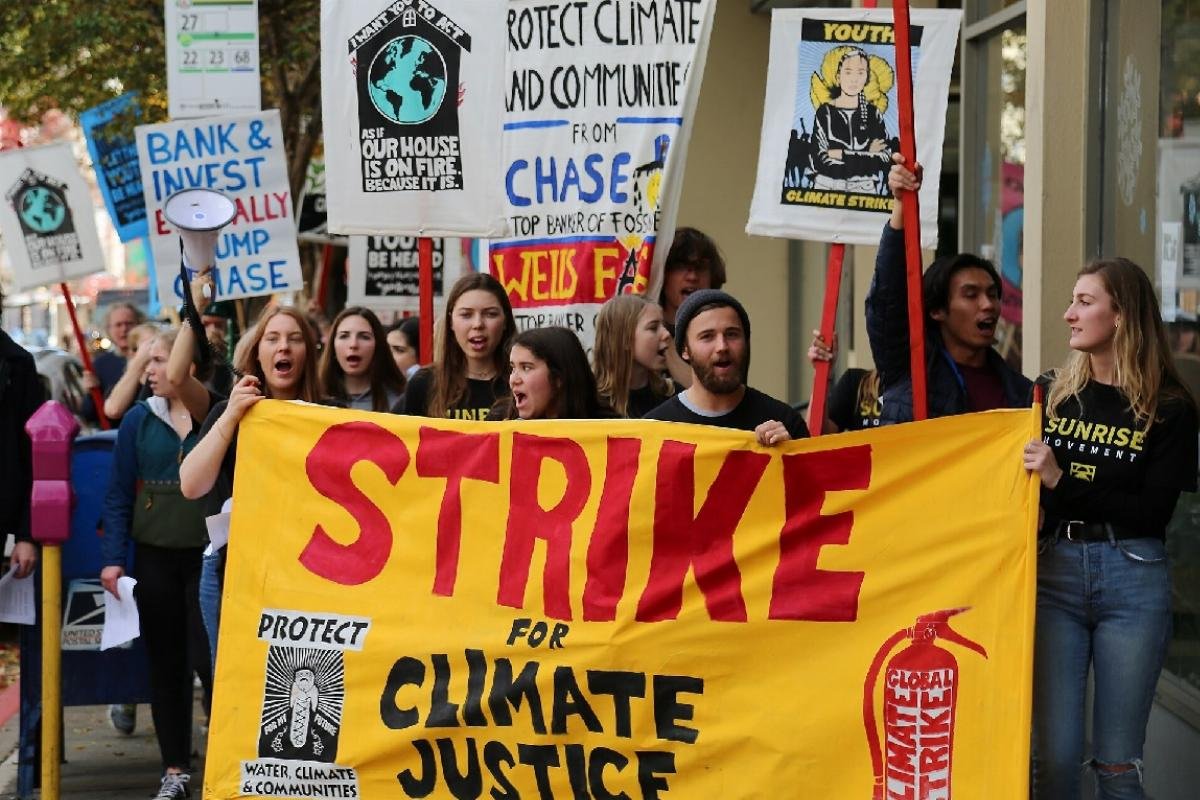
When Congress passed the Clean Air Act, the Clean Water Act, and the Safe Drinking Water Act in the early 1970s, it embedded a novel idea: that everyday citizens could sue to enforce environmental law if the government dragged its feet. These ‘citizen suit provisions’ were designed as a safety valve, a way to hold polluters and federal agencies accountable when the bureaucracy moved too slowly or not at all.
Now, more than five decades later, the Trump administration has taken steps to block that avenue of citizen enforcement—and the move has ignited a fierce debate over the nature of executive power, the role of private advocacy, and who ultimately gets to decide what constitutes the public interest.
A Right Under Siege
Citizen suits have been used extensively over the years, often with significant results. According to an article in The Conversation by Prof. Susan Morath of Wake Forest University, these lawsuits have halted dam construction to protect endangered species, stopped wastewater injection into groundwater, and forced Clairton Coke Works in Pennsylvania to clean up its emissions and monitor pollution—resulting in $14.2 million in civil penalties.
The concept has even extended beyond environmental issues. In 2025, a Texas state law aimed at protecting the unborn allowed private citizens to sue physicians and distributors who mailed abortion pills into the state. The reach of citizen enforcement, it seems, is broad.
On its face, the idea is appealing: it puts power in the hands of the people, allowing them to speak loudly when they see their air and water being polluted. But the Trump administration’s recent actions—which include the Department of Justice intervening directly in private lawsuits to argue for their dismissal—suggest a different perspective.
Regulation Through Litigation
The administration’s argument is that citizen suits have been exploited by environmental activists in ways that bypass proper democratic processes. One key concept, called ‘regulation through litigation,’ involves an advocacy group filing a lawsuit that forces an agency to do exactly what the agency wanted to do all along but couldn’t accomplish through normal rulemaking. Under the Administrative Procedure Act, such rulemaking requires public notice, comment periods, economic analysis, and judicial review. By contrast, a backroom settlement between an advocacy group and an agency can lock in new rules on a tight timeline—without Congress, without public input, and often with taxpayers footing the bill for the plaintiffs’ lawyers.
But the abuse isn’t limited to friendly administrations. When an administration is hostile to a group’s goals, citizen suits can become tools of harassment or overreach, usurping the executive branch’s authority under Article II of the Constitution. Some groups reportedly file notice letters over minor reporting violations purely to extract settlement fees or legal expense payouts, rather than to achieve genuine environmental gains. And a proliferation of uncoordinated lawsuits can disrupt long-term remediation plans already negotiated by federal or state agencies.
The Legal and Philosophical Case for Limits
Proponents of limiting citizen suits argue from several angles. First, there’s the constitutional argument: Article II mandates that the president ‘shall faithfully execute the laws.’ Conservative jurisprudence holds that this grants the executive branch exclusive authority to decide when, how, and against whom to enforce federal laws. Under this view, citizen suit provisions are an unconstitutional outsourcing of enforcement power to unaccountable private actors.
Second, there’s the question of perspective. Executive agencies must balance competing public interests—environmental preservation, economic stability, national security, and technological innovation. A private group focuses narrowly on a single statutory violation and a single solution, without regard to broader priorities. Moreover, agencies answer to the electorate; advocacy groups do not.
Third, the administration has pointed to concrete examples of citizen suits disrupting macro-level governance. In one 2026 case, a citizen suit threatened to shut down energy infrastructure critical to artificial intelligence innovation, undermining presidential executive orders declaring a ‘national energy emergency’ and seeking ‘American leadership in AI.’ From the administration’s perspective, a decentralized network of private lawsuits shouldn’t be able to override formal executive branch policies.
An Extraordinary Step
The Trump administration’s approach to curbing citizen suits has been notably aggressive. Rather than merely filing objections or amicus briefs, the Department of Justice has moved to intervene as a party in ongoing litigation, demanding the absolute dismissal of a private lawsuit. Legal experts note that this is the first time the federal government has directly stepped into a citizen suit against a private defendant to argue that if the executive branch chooses not to enforce a law, private citizens should be legally barred from doing so as well.
This is likely to end up before the U.S. Supreme Court.
Prof. Morath, in her Conversation article, wrote: ‘I believe the filing from the Trump administration is another step in a broader effort to consolidate government power in the executive branch.’
But the administration and its supporters see it differently. They argue that the move is an attempt to remove power from unelected advocacy groups that have exerted an inordinate impact on government actions—and to give that power back to officials who are held accountable by the electorate.
The Stakes for Republican Government
David R. Legates, a retired professor of climatology and director of research and education at the Cornwall Alliance, who wrote the opinion piece this article draws from, frames the debate in stark terms. ‘Once power is removed from elected officials and placed in the hands of those who seek their own personal interest, we truly will lose our republican form of government,’ he argues.
The question is whether citizen suits represent a vital tool for democratic participation or a distortion of it. The original intent was to allow the people to petition the government to act in their interest. But as Legates notes, ‘the privilege has been abused.’
At its core, the dispute is about who gets to enforce the law—and whether private citizens, acting through the courts, can hold the executive branch accountable when it chooses not to act, or whether such enforcement is inherently a government function.
As the matter heads toward the Supreme Court, the outcome will shape not only environmental enforcement but the balance of power between the branches of government and the people themselves.
Source: www.americanthinker.com — https://www.americanthinker.com/articles/2026/09/citizen-enforcement-or-green-activism/