
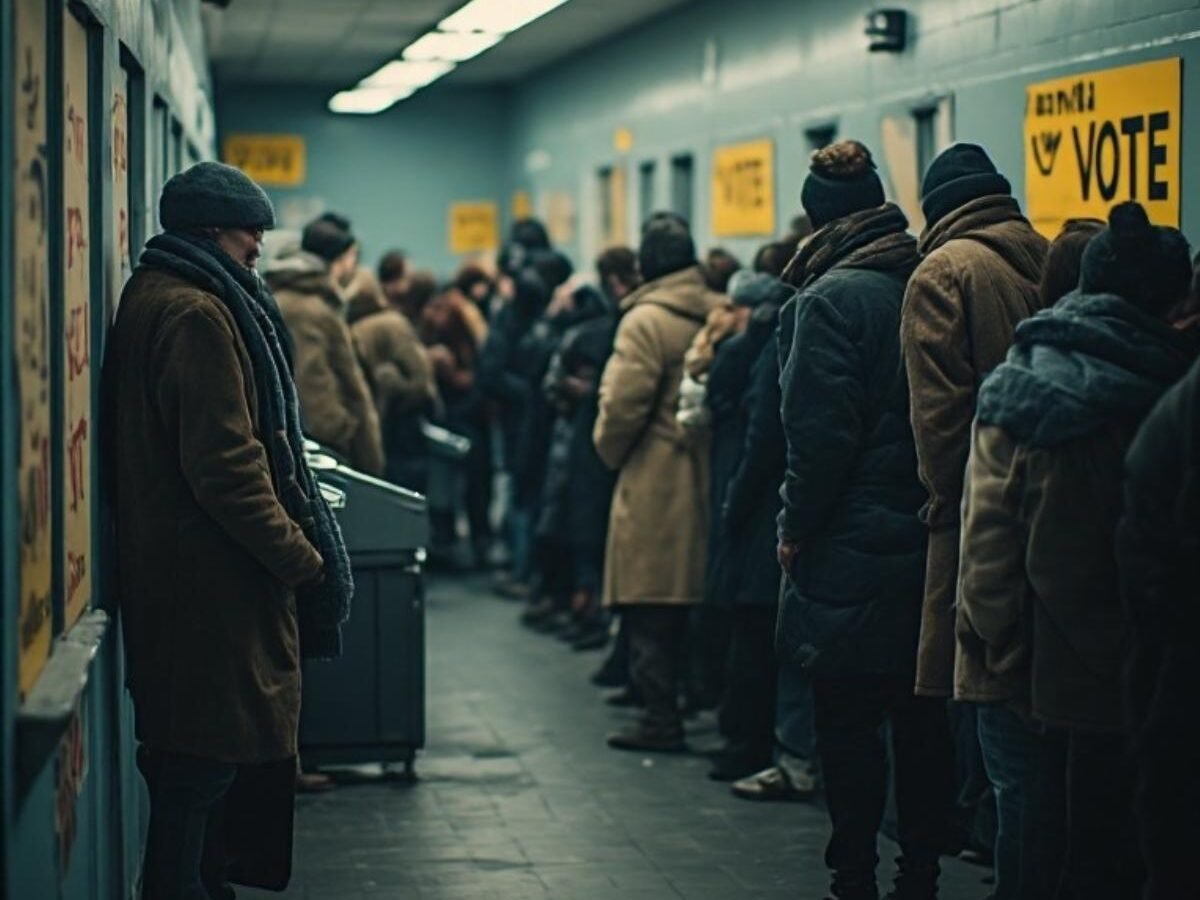
As the 2026 midterm elections approach, the familiar pre-election ritual has begun: pollsters asking voters what actually matters to them. And once again, the answer, according to a new Washington Post/Ipsos survey, is that climate change is barely on the radar—ranking at just 3 percent among top issues, far behind the economy (54 percent), immigration (28 percent), and even crime.
The finding, reported by American Thinker’s H. Sterling Burnett, arrives amid a summer of sweltering headlines. The National Oceanic and Atmospheric Administration declared July 2026 the hottest on record, and news outlets have been filled with warnings about unprecedented heatwaves. Yet public opinion appears stubbornly unmoved.
For a political press corps that has spent years covering climate as an existential crisis, the disconnect is striking—and it’s not just conservatives pointing it out. Even CNN, no stranger to climate coverage, devoted a segment to the poll’s implications. The network’s chief data analyst, Harry Enten, put it bluntly: “The bottom line when it comes to voters is, simply put, they don’t care.”
Enten walked through the numbers on air: the economy at 54 percent, immigration at 28 percent, climate change at 3 percent. “I’m not the greatest mathematician in the world, but I sure as heck know that 54% is a whole heck of a lot higher than 3%,” he said, adding that even a record-hot July hadn’t shifted voter priorities.

Decades of Alarm, Little Movement
The poll’s deeper finding is that climate concern has barely budged over the past decade. In 2016, 40 percent of survey respondents called climate change a big issue. In 2026, that number actually dipped slightly to 39 percent—despite an intervening decade of unprecedented media coverage, scientific reports, and political activism.
Burnett, who directs the Arthur B. Robinson Center on Climate and Environmental Policy at The Heartland Institute, argues this consistency should surprise no one who has followed such surveys. Climate change, he notes, routinely ranks near the bottom of voter concerns—even among those who believe it poses a direct threat to their own health and well-being.
The pattern holds across party lines, though for different reasons. Many Republicans, Burnett writes, have long been skeptical of claims that a looming climate catastrophe justifies a wholesale government remake of the economy. Democrats, meanwhile, appear to be running away from the issue on the campaign trail—much as they did in 2024.
A Defining Issue That Isn’t
Immigration, by contrast, has become a top-tier concern, trailing only the economy in the poll. Foreign policy ranks fourth, reflecting ongoing U.S. engagement in conflicts in Iran and Ukraine, as well as clashes with government-backed drug runners. Even voting integrity, LGBTQ rights, and crime all outranked climate change on voters’ list of priorities.
Indeed, climate change placed 16th or lower—the Post’s article cut off its list at the top 15, making an exact ranking hard to pin down. Anything polling below 3 percent didn’t make the cut at all.
The finding is particularly notable given the context: NOAA’s July heat record, constant doomsday coverage, and years of political messaging from the left. Yet the public’s priorities remain stubbornly focused on kitchen-table issues—jobs, prices, and the cost of living—even during what the same polls describe as widespread dissatisfaction with the country’s direction.
What This Means for November
For strategists, the message is clear: whichever party can best turn out its base will likely win control of Congress this fall. The WaPo/Ipsos survey shows Democrats favored over Republicans, which could reflect President Trump’s high unfavorable ratings, public concern over the state of the economy, or simply the historical tendency for the party in power to lose seats in off-year elections.
Republicans’ chances of retaining Congress, the survey suggests, are almost within the margin of error, thanks in part to favorable redistricting. But climate change, Burnett argues, will not be the deciding factor—no matter who wins.
“I don’t know whether Democrats or Republicans will carry the day in the election this fall, but whoever does, climate change won’t be the issue that put them on top,” he concludes. And given that the crisis has not materialized as catastrophically as some predicted, Burnett sees the low ranking as a sign of “science and policy sanity.”
For now, at least, voters seem to agree with him—even if they wouldn’t put it in those terms.
Source: www.americanthinker.com — https://www.americanthinker.com/blog/2026/08/climate-change-still-doesn-t-matter/