
Converse has apologized and pulled an advertisement after social media users accused the shoe brand of releasing an image that evoked the Ku Klux Klan and a lynching, according to reporting by The Daily Wire.
The ad in question showed K-pop singer Karina wearing a skirt and holding a pair of Chuck 70 X sneakers. Almost immediately, critics seized on the composition of the photo, arguing that the arrangement of the shoe and the styling read as a Klan hood alongside the feet of a hanging body.
A backlash that built fast
The reaction was blunt and widespread. One user wrote that it was baffling that any reasonably informed American could look at the image and not see a klan hood and the feet of a hanging body, calling the whole thing speechless-making. Another widely shared comment rejected the idea that the ad was being overread, stating flatly that the Converse ad is racist, that it looks like a Klan outfit, and that it looks like a lynching — and that dismissing it as just a shoe ad was not a defense.
The criticism moved quickly from scattered posts to a sustained pile-on, and Converse responded with a public statement. According to ABC 7, the Boston-based company said: “We’re sorry. We understand why this image is deeply upsetting and recognize that we got this wrong. We removed it from our channels and are working to remove it everywhere it appeared. This should not have happened and we will do better.”
That apology leaned on the same language companies often use in these moments — promising to do better, acknowledging the image should never have run — but the swiftness of the removal suggested Converse recognized the volume of the reaction rather than waiting for it to subside.
Karina caught in the crossfire
Karina has not yet released a public statement, but she has also become a target, with followers criticizing her for participating in the photo shoot even though she would not have known what the final ad would look like. Several users pointed to the original, uncropped version of the photo to defend her involvement, arguing that the framing of the finished product — not the shoot itself — created the problem.

That distinction matters in these cycles. The celebrity attached to a campaign typically absorbs some of the blowback regardless of how much creative control she had, and the uncropped image has become the primary piece of evidence for those arguing that the fault lies with the brand’s marketing team, not the singer.
Not everyone saw a controversy
Plenty of people, though, questioned what the fuss was about at all. “When you look hard enough, you find racism in everything,” one X commenter observed. Another agreed in more partisan terms, saying it was not about reality but about the reality that “the Party” tells you exists.
That split — between those who saw an offensive image and those who saw an overreaction — is now a familiar pattern in brand controversies, and it played out here in the replies as much as in the coverage.

Comes after Target pulled a costume
The Converse episode arrives on the heels of a similar situation at Target. The retailer yanked a costume from its shelves after customers complained about it, pulling a product listed as “Kids’ Glows under Blacklight Circus Clown.” Photos showed a young Black child modeling the outfit, which included a black-and-orange printed bodysuit, a hood with an oversized smile, and a mini top hat.
The listing and photos led customers to compare the costume to blackface performances from the Jim Crow era. In a statement last month, Target said: “We removed an offensive Halloween costume that should never have been part of our assortment. It is no longer for sale. As a company, we got this wrong, and we are deeply sorry.”
The parallel phrasing between the two statements — Target saying it got this wrong, Converse saying it got this wrong — reflects how quickly brands now move to pull products and issue mea culpas once an image starts circulating with a racial reading attached to it.
A brand with a long history
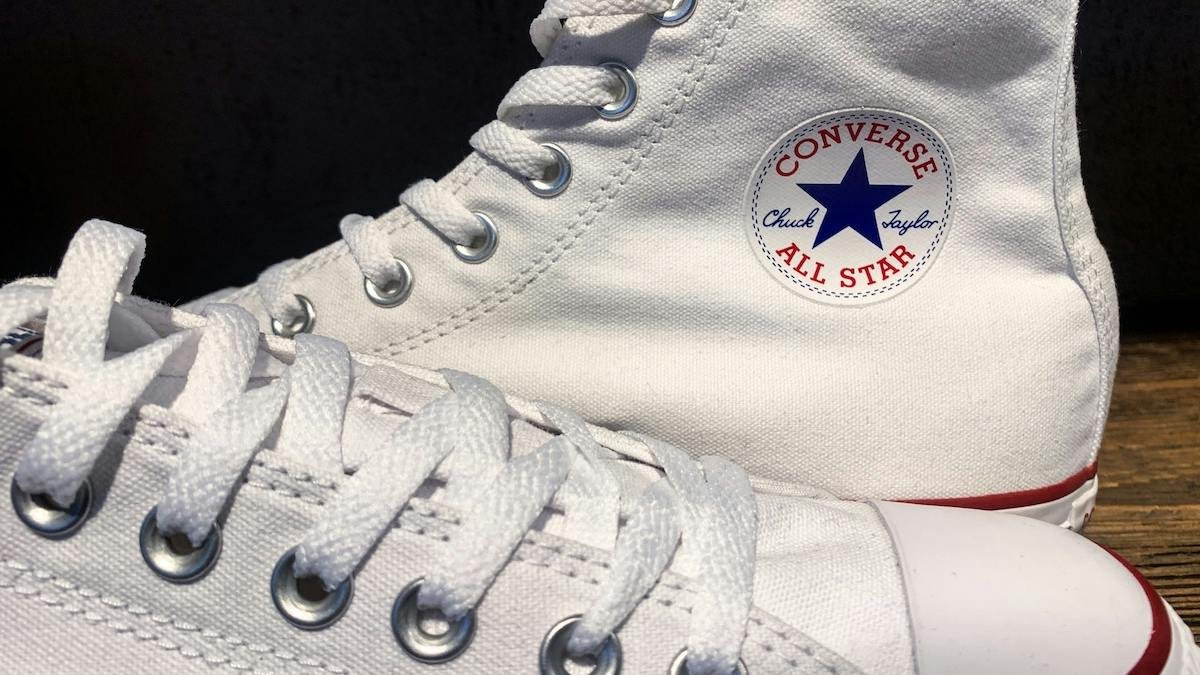
Converse launched in 1908 and is best known for the Chuck Taylor All Star sneaker, one of the most recognizable shoes in the world. The company is now owned by Nike, which acquired it in 2003. The Chuck 70 line referenced in the ad is a vintage-inspired version of the classic silhouette, a product line the brand leans on heavily in its marketing.
For Converse, the apology and removal close out one chapter of the episode, but the ad itself — and the debate over whether the reaction was justified — is likely to keep circulating online, as these controversies usually do. Karina’s silence so far leaves open whether she or her representatives will address the shoot directly, and whether the brand will say anything further beyond its initial statement.
The Daily Wire reported on the apology and the surrounding reaction.
Source: www.dailywire.com — https://www.dailywire.com/news/converse-apologizes-for-racist-ad-promises-to-do-better