
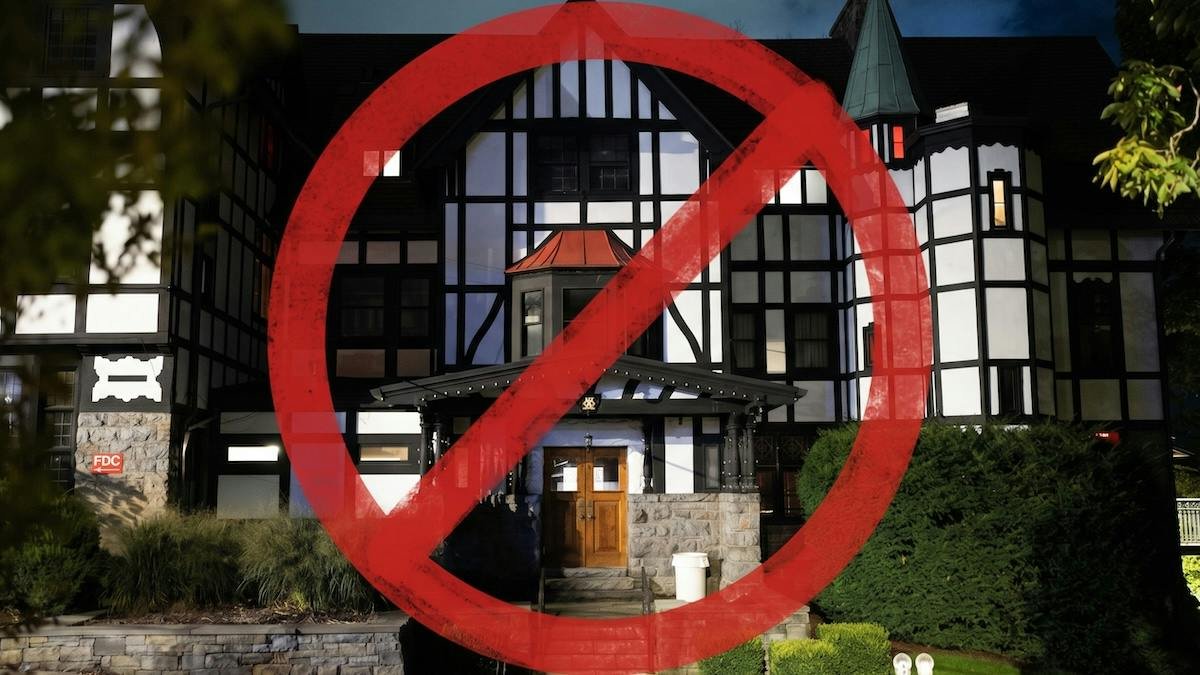
Cornell University has banned parties and social events at all fraternity houses for the remainder of the academic year, a sweeping response to the online firestorm surrounding sexual assault allegations against members of one chapter — a chapter that was already shuttered before the ban was announced.
The move came days after a civil lawsuit filed by a woman identified as Jane Doe against several men went viral, drawing national attention and, with it, intervention from New York’s top elected officials. According to reporting in The Daily Wire, the alleged assault took place at a fraternity party two years ago, with the accuser saying she was impaired by alcohol and ketamine.
The fallout has been unusually swift. Governor Kathy Hochul designated state Attorney General Letitia James as a special prosecutor to handle the matter — a highly unusual step at a stage when no criminal charges have been filed against any of the men. The underlying facts remain heavily disputed.
Cornell’s decision effectively applies to every house on campus, even though the chapter at the center of the controversy, Chi Phi, was closed and barred from campus in 2024. The national organization expelled the accused members, and the university imposed discipline ranging from expulsions to suspensions. In the view of critics, that record raises a question: why penalize the broader fraternity system for an incident involving a chapter that has already been disbanded and processed through the university’s disciplinary channels?

A Viral Case, a Familiar Rush to Judgment
Writing in The Daily Wire, commentator Lisa Britton framed the campus-wide ban as “collective punishment” — a penalty visited on organizations that had no role in the episode. She acknowledged she initially held back from commenting while social media was in chaos and the facts were still emerging, saying online commentators too often declare someone guilty or innocent before the truth is known.
Britton pointed to what she described as serious open questions about what happened inside the fraternity house in October 2024, including a gap between the account given at the time and the far more serious version laid out in the civil lawsuit that later exploded online. Public leaders and celebrities, she wrote, weighed in anyway — and the pattern of instant verdicts keeps eroding institutional trust.
The criticism of fraternities has extended well beyond the specifics of the Cornell case. Britton noted that “Call Her Daddy” host Alex Cooper used her popular podcast to criticize fraternities, with discussions that cast all-male spaces as inherently problematic and invoked figures like Jeffrey Epstein. Vogue, meanwhile, published a piece calling for the elimination of fraternities altogether.
What those critiques often leave out, Britton argued, is any acknowledgment of the benefits male spaces can provide: mentorship, camaraderie, accountability and personal development. Pop culture coverage rarely includes the ordinary nights in fraternity houses, she wrote — only the bad ones.

The university has not publicly detailed how long the party ban will remain in place or whether it will be revisited. The special prosecutor designation by the governor adds another layer of scrutiny, though it does not by itself indicate that charges are imminent.
Research Cited on Fraternity Outcomes
Britton leaned on prior Daily Wire reporting from August and on a recent poll of more than 1,000 young men to make the case against abolition. That survey, she wrote, found fraternity members were more likely to report positive mental health, more likely to have a male mentor, more likely to have several close friends, and more likely to spend meaningful time with people offline.
She also pointed to research suggesting fraternity membership correlates with better long-term outcomes — graduation, employment, professional networks, friend groups, family formation and self-reported life satisfaction. None of that, Britton conceded, excuses whatever went wrong in the Cornell house. But she argued that dismantling an institution over bad headlines serves neither men nor women.
Her piece highlighted the work of Fraternities Know Men, a campaign she said she has learned from, and tied the debate to a broader “boy crisis”: declining male college enrollment, shrinking friendship networks and a growing number of young men struggling to find purpose. Brotherhood, she wrote, is one of the few remaining structures that helps turn young men into steady adults.

A Push to Reform, Not Abolish
The op-ed did not dismiss the severity of the allegations or the need for accountability. Britton wrote that everyone wants women protected from assault — that point, she said, is not in dispute. What concerns her is the way platforms encourage mob formation and premature conclusions, and what that dynamic has already done to the conversation.
Instead of eliminating fraternities, she proposed investing in them: more male mentors and role models, stronger male communities, and accountability that runs both ways. The current scrutiny, she suggested, gives fraternity members an opening to redefine the institution from the inside — raising standards for behavior and reorienting around brotherhood, mutual support, professional networks and long-term relationships rather than letting a single set of allegations define them.
“Abolishing fraternities will not help young men during this time of crisis,” Britton wrote. “Building better ones might.”
The Cornell ban, the special prosecutor designation and the viral litigation ensure the debate will continue on campus and well beyond it. For now, fraternity houses at Cornell stand empty of social events — and the larger argument over what these institutions are worth, and what they owe, remains unresolved.
Source: www.dailywire.com — https://www.dailywire.com/news/the-cornell-case-shouldnt-become-a-death-sentence-for-brotherhood