
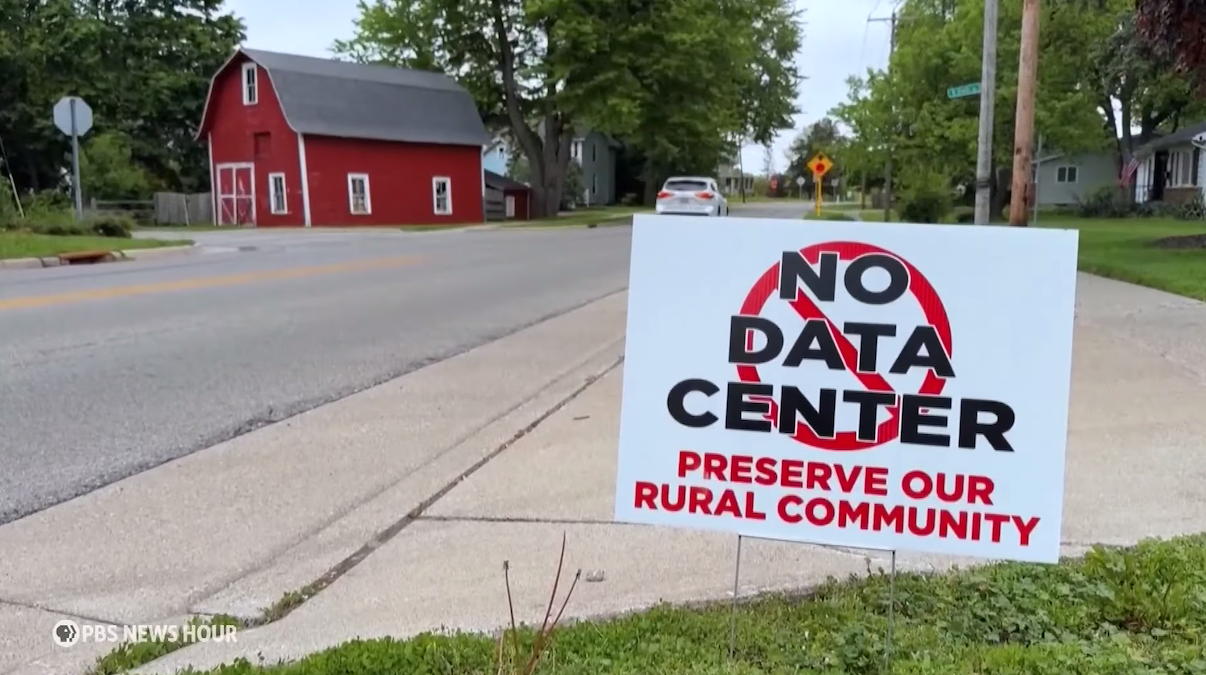
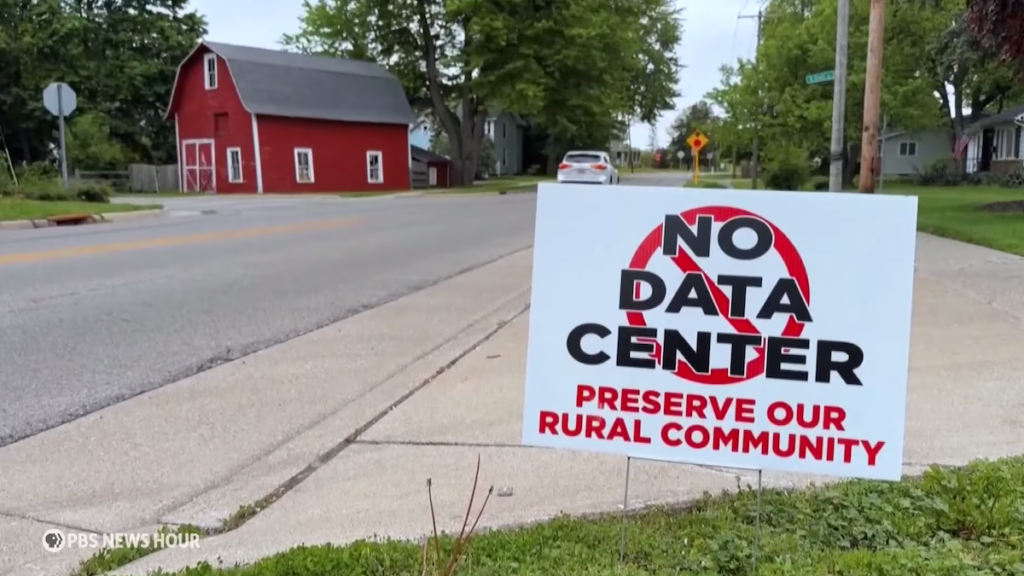
Opposition to AI data centers has become one of the few issues that unites Americans across political divides, but a new essay at The Federalist argues that the tech right has fundamentally misread the source of that opposition. The real fear, according to the piece, isn’t about megawatt usage or water consumption — it’s about what AI will do to society.
Writing at The Federalist, the author contends that when Americans tell pollsters they oppose data centers because of environmental costs, farmland loss, or resource strain, they are offering a surface-level justification for a much deeper anxiety. That anxiety, the essay argues, is rooted in the lived experience of the past two decades of the digital revolution — a revolution that artificial intelligence is poised to intensify and accelerate.
A Misdiagnosis of Public Skepticism
The essay takes aim at a familiar dismissal from some on the tech-friendly right: that data center critics are Luddites, climate doomers, or hypocrites who complain about the internet while using it. That framing, the author writes, is both substantively weak and strategically self-defeating.
“If you don’t like what the internet has done to society then stop using it,” is not a persuasive answer, the essay says, any more than owning a smartphone disqualifies someone from noticing its harmful effects. The critique of rapid technological change is not invalidated by participation in that technology.
The deeper problem, the essay argues, is that tech advocates have focused almost exclusively on the economics of data centers — jobs created, tax revenue generated, schools funded — while ignoring what the public intuitively understands about the trajectory of the digital era.
Yes, the essay acknowledges, data centers in places like Quincy, Washington, have lifted local economies, funded hospitals and libraries, and lowered property taxes. But economic upside alone misses the point when the objection is existential rather than budgetary.

The Unspoken Fears of the AI Era
The essay sketches two distinct but overlapping fears driving data center skepticism. The first is the widely discussed possibility that AI will eliminate most productive work, reducing ordinary Americans to dependents rather than self-sufficient citizens. That nightmare is not just about lost income, the author warns — it is about the end of self-government, political liberty, and free speech in an AI-curated public square.
But the second fear is more visceral and harder to articulate: the fear of uncontrollable, accelerating change — and the fear of what is already known about the digital revolution AI will supercharge.
Americans were promised that the internet and social media would democratize information, strengthen social bonds, and connect people across divides. Instead, the essay argues, the opposite happened. Social fragmentation and isolation were amplified by smartphones and platforms, with young people suffering the most. The author cites rising rates of depression, anxiety, and loneliness, and notes that the suicide rate for young people has increased by nearly 70 percent since the turn of the millennium.
The essay also points to new survey data from the Institute for Family Studies, reported in a recent Compact essay by Brad Wilcox and James Lynch, showing that young men aged 18 to 29 have been hit especially hard by gambling apps, prediction markets, chatbot companions, and harmful substances. In that survey, 43 percent of young men agreed with the statement “I am inclined to think that I am a failure,” 61 percent said they often feel little control over their lives, and nearly half said they will never achieve the American dream. Yet most still want to marry, raise a family, and own a home.
Young women are struggling too, the essay notes, with high rates of SSRI use, anxiety, and depression. The result, it says, is a generation that is dating, coupling, and marrying less than any before it — a social fracture that the author argues is a direct legacy of the digital age.
A Counterfactual No One Can Make
The core challenge for data center boosters, the essay argues, is that they must make a counterfactual case that has never once held true: that more internet, more apps, more virtual communication will somehow produce less isolation, less addiction, and less despair than the first phase of the digital revolution.
“Life is not better because you can use an app to get toilet paper delivered to your house,” the author writes, arguing that the conveniences of the digital age have come with costs that are hard to quantify in GDP figures — but are nonetheless real and deeply felt.
Until tech advocates address those fears directly, the essay concludes, every conversation about water usage, tax abatements, and electricity grids will miss the point. The public’s resistance to AI data centers is not a technical objection. It is a protest against a future that ordinary Americans can already sense they will not be able to control.
Source: thefederalist.com — https://thefederalist.com/2026/08/28/opposition-to-data-centers-isnt-what-the-tech-right-thinks-it-is/