
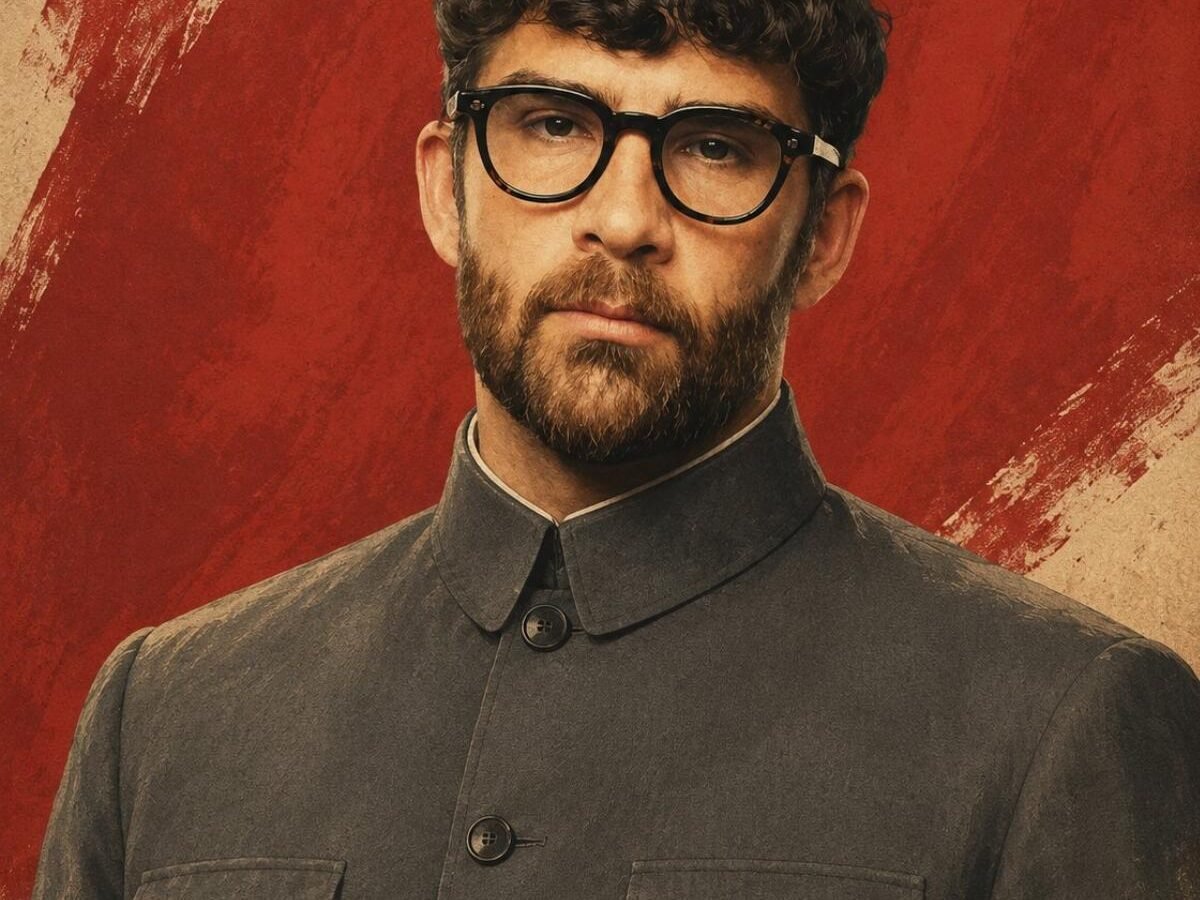
It’s not every election cycle that a single name can send a sitting member of Congress into an outburst. But that’s exactly what happened when Rep. Debbie Dingell (D-MI) reportedly shouted at a recent rally in Michigan: ‘I am done! Don’t any reporter ask me about Hasan Piker!’
According to a column by Silvio Canto, Jr. at American Thinker, Dingell’s frustration reflects a broader Democratic dilemma. The party is trying to distance itself from Piker, the left-wing Twitch streamer and political commentator, but Republicans are determined to tie him to the Democratic brand — and so far, it’s working.
‘Democrats know they have a serious problem on their hands as Piker is being portrayed as the face of the party by Republicans,’ Canto writes, citing journalist Joe Concha. ‘And some are already fed up with interviews that seem to focus on condemning his views, especially as it pertains to the Jewish community.’
For Dingell, the issue is one of political messaging. ‘It’s not what November is about. Republicans are trying to divide us!’ she reportedly said. But Canto argues that the questions aren’t going away — whether they come from reporters or from GOP television ads airing ‘every minute’ this fall.
The core of the problem, Canto argues, is that Piker didn’t emerge from nowhere. He’s the product of a political environment that tolerated — and at times embraced — figures well to the left of the mainstream.

Quoting his late Cuban mother’s saying — ‘show me who you are with and I will tell you who you are’ — Canto suggests that Democrats’ association with Piker and others like him sends a message to Jewish Americans and other voters, even if the party’s leadership now claims to want nothing to do with him.
A self-inflicted wound?
Canto is blunt about where the blame lies. ‘The Piker problem did not happen by chance,’ he writes. ‘It is the result of associating with people who are just a bit more radical than the rest of us.’
That framing puts the onus on Democratic leadership, not just on Piker himself. For years, the party has welcomed progressive commentators and online personalities into its coalition — and Piker, with his massive streaming audience and often inflammatory rhetoric, is among the most visible. Now, as the election approaches, the party is finding that these alliances have consequences.
Dingell’s outburst is telling, Canto suggests. It shows that Democrats understand the danger, but they don’t have a clear answer. They can try to change the subject, but they can’t control the conversation.
‘Yes the questions will continue, whether they come from reluctant reporters or TV ads blasted every minute by the GOP,’ Canto writes. ‘Americans will hear a lot about a man named Piker this fall, and Democrats won’t like it.’

The political calculus of guilt by association
The dynamic Canto describes is a familiar one in American politics: the opposition party seizes on a controversial figure, amplifies their most extreme statements, and then asks the other party to defend or disavow them. In this case, the controversy centers on Piker’s comments about the Jewish community — content that Concha and others have flagged as deeply concerning.
For Democrats, the challenge is that they can’t simply ignore Piker, because voters are being told he represents the party. And they can’t fully embrace him, because his views are politically radioactive. That leaves them in an awkward middle ground, trying to distance themselves while hoping the story fades.
It hasn’t faded yet. And if Canto’s read is correct, it’s only going to intensify as November approaches.
What Democrats are up against
Canto isn’t optimistic that Democrats can escape the narrative. The GOP has already made Piker a central talking point, and the ads are coming. ‘Don’t be surprised if normal Americans are a bit skeptical about their change of heart,’ he warns.
The skepticism, in his view, comes from a sense that the party’s sudden distancing is less about principle and more about political survival. If Democratic leaders truly objected to Piker’s views, why did it take an election cycle for them to say so?
That’s the question Republicans are counting on voters to ask. And it’s the question Democrats like Dingell clearly don’t want to answer.
Whether the strategy works — whether Piker becomes a decisive factor in November or just a footnote — remains to be seen. But for now, the name is unavoidable, and the party that helped elevate him is stuck with him.
Source: www.americanthinker.com — https://www.americanthinker.com/blog/2026/08/stand-not-by-your-piker/