
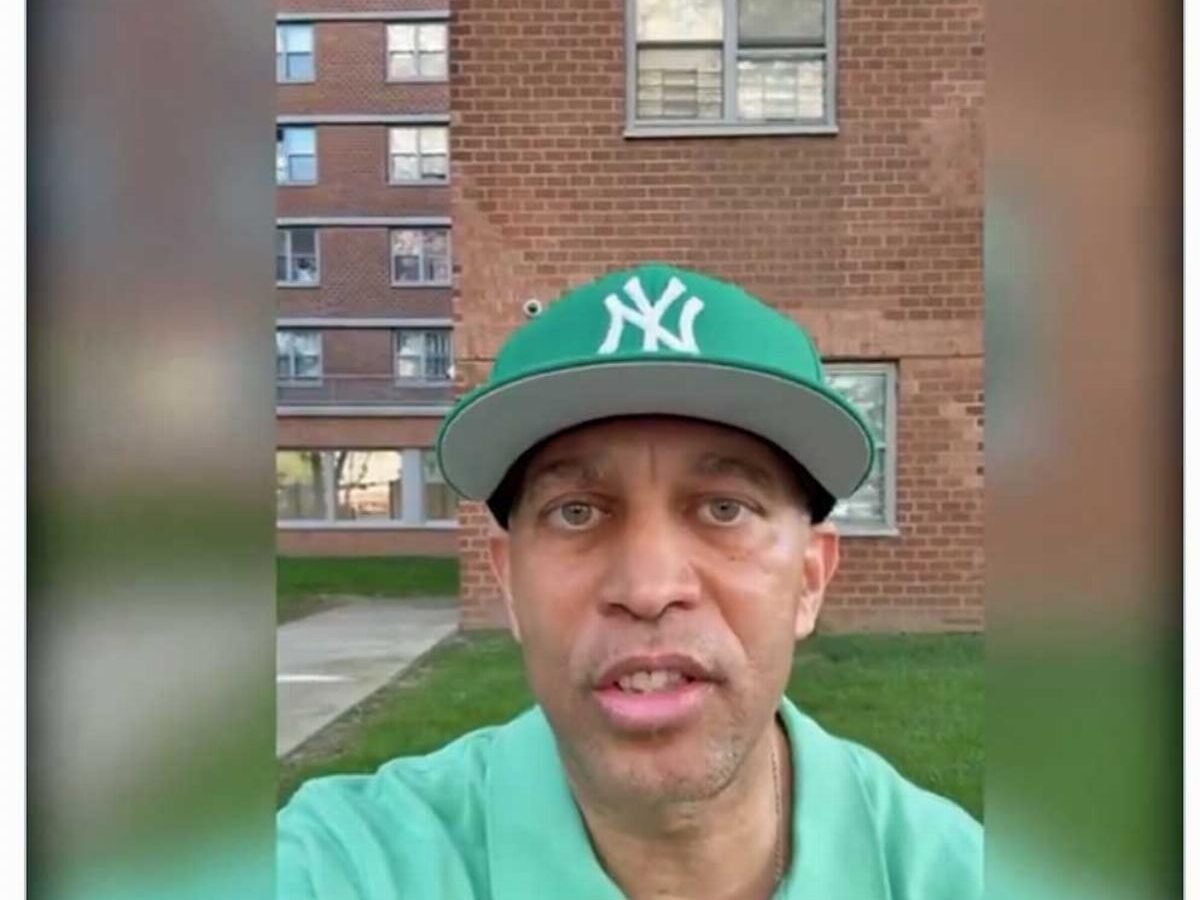
A routine House procedural vote this week turned into an unexpected political liability for House Democrats, as two of the party’s own members broke ranks and sided with Republicans — an episode that conservative commentator Mike McDaniel argues was a self-inflicted wound that hands the GOP a readymade campaign commercial.
Writing for American Thinker on September 5, 2026, McDaniel reported that House Minority Leader Hakeem Jeffries had expected his caucus to vote unanimously against a Republican rule to bring several bills to the floor. That move, he argued, was designed to plunge the GOP conference into chaos and put Speaker Mike Johnson on the defensive ahead of Labor Day.
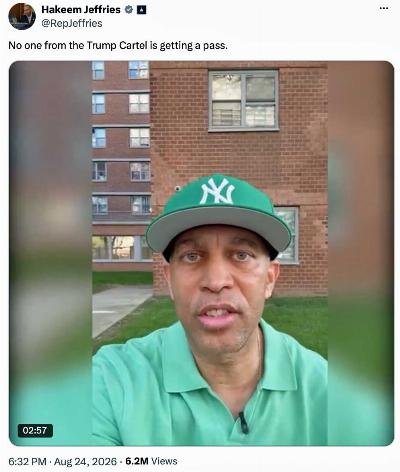
Instead, the plan backfired when Reps. Jared Golden and Marie Gluesenkamp Perez voted with Republicans to pass the rule. McDaniel described Jeffries as furious, reportedly snapping when asked whether he had known the two lawmakers’ intentions: “You’ll have to ask Katherine”—a reference to House Democratic Whip Katherine Clark, who, per the column, was as surprised as her boss.
The votes in question involved the SAVE America Act, which would implement voter ID and other election integrity measures, and a resolution condemning socialism. Democrats largely oppose such measures, McDaniel noted, particularly with midterms and the 2028 election looming. Only eight Democrats voted for the conservative-backed measures, with the rest opposed, according to the column.
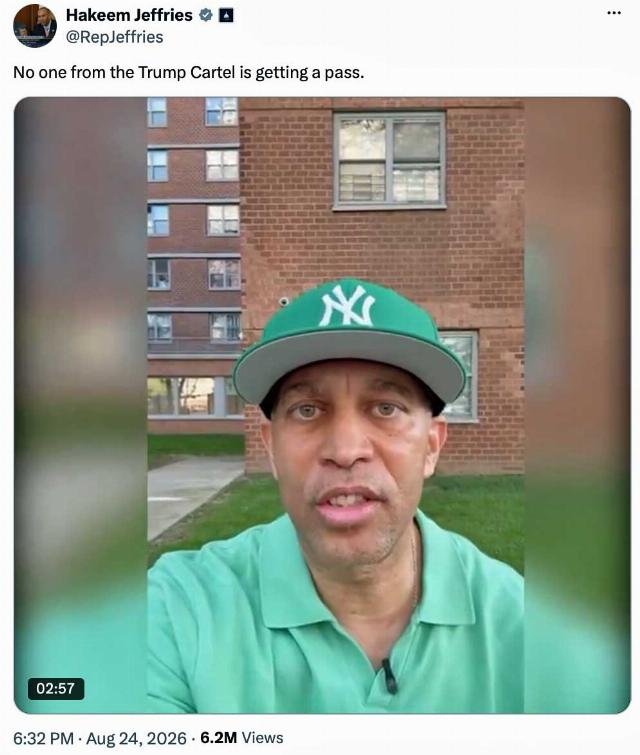
McDaniel, a veteran and former police officer who describes himself as a moderate conservative, wrote that the outcome gave Republicans “a ready-made campaign commercial for the midterms and beyond.” He framed the Democratic posture as an awkward straddle: backing much of the democratic socialist agenda while trying to distance themselves from the socialist label — a tension that he says was exposed on the floor.
The episode fits into a broader critique of Jeffries’ leadership, which McDaniel argues has been defined by embarrassment and indecision since he took over from Nancy Pelosi in 2023. He credited Jeffries with little more than acting as a thorn in the side of the Republican majority while watching the party drift left. The column noted that Jeffries is under mounting pressure as expectations build for a Democratic majority, but that clear direction has not materialized.
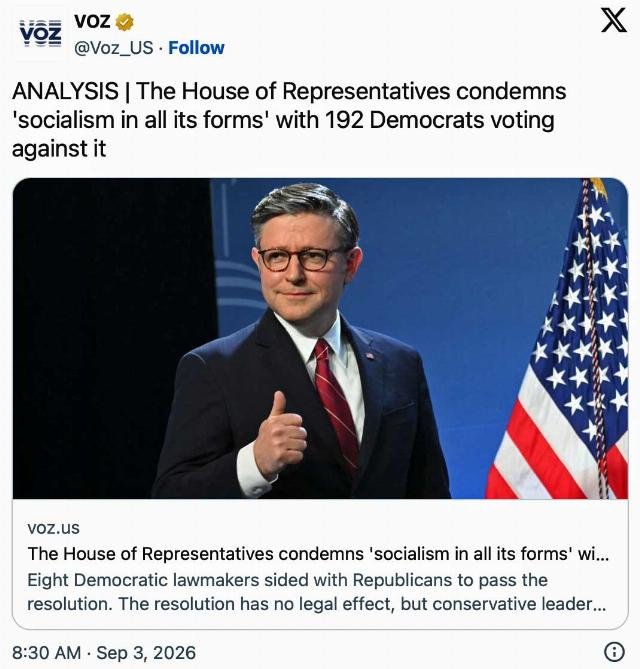
McDaniel also highlighted a separate controversy: Jeffries’ decision to meet with Jared Kushner, President Trump’s son-in-law and a senior White House adviser. The meeting was framed as an attempt to benefit America, but it drew swift backlash from the progressive wing, forcing Jeffries to issue a video apology on X. In the video, which McDaniel described as halting and awkward, Jeffries said he took the meeting because Kushner asked for it, then added, “No one is going to get a pass. We’re going to hold every single member of the Trump cartel accountable.”
That message, McDaniel wrote, suggests a future of partisan warfare rather than compromise, with investigations and political retribution likely if Democrats retake the House and Senate. He also warned that Democrats could pursue Soviet-style show trials of political opponents if they also capture the White House in 2028 — but such claims are offered as his own speculation, not as reported facts.
McDaniel’s analysis is unabashedly conservative, and he uses loaded language throughout—referring to “Trump Derangement Syndrome” and describing democratic socialists as communists. His claims about Jeffries’ motivations, the intent behind the votes, and likely future Democratic tactics should be weighed as opinion rather than confirmed reporting.
The episode itself, though, is factual: two Democrats did vote with Republicans on a procedural matter, and Democratic leaders were reportedly caught off guard. For Republicans, the footage of Democratic opposition to voter ID and the anti-socialism resolution is likely to appear in campaign ads. For Democrats, the split highlights tensions between moderates and progressives that could shape the party’s strategy into 2028.
McDaniel closes by warning that Democrats are content with what he calls “Muppet figureheads” and that shadowy operatives pull the strings—a rhetorical flourish that underscores the piece’s partisan edge. But the underlying message is one that strategists in both parties will be watching: unity is not guaranteed, and every procedural vote carries political weight.
Source: www.americanthinker.com — https://www.americanthinker.com/blog/2026/09/democrats-write-republican-campaign-commercials/