
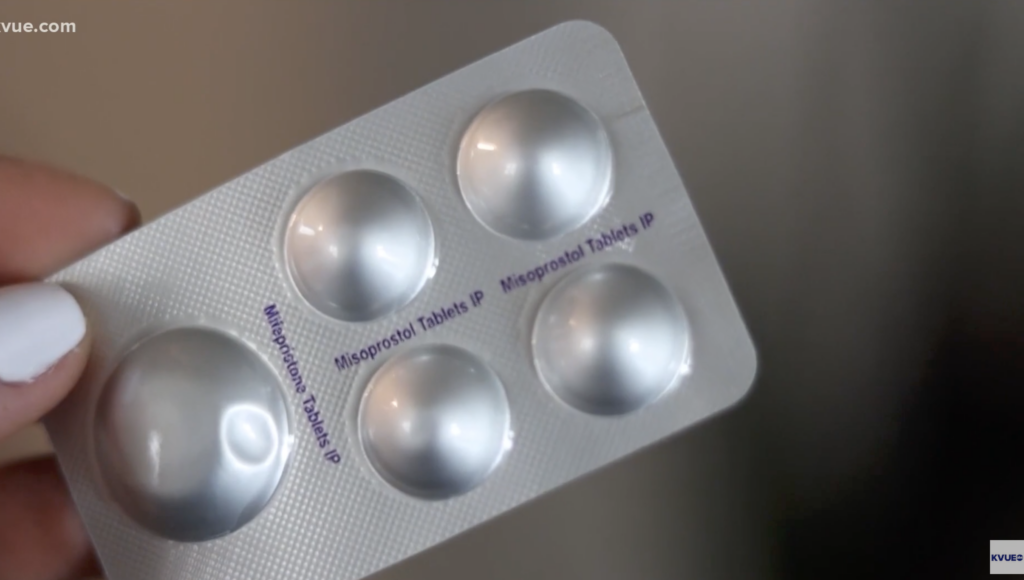
Attorney General Todd Blanche’s promise to re-examine a controversial legal interpretation of the Comstock Act has reignited a fierce debate over the mailing of abortion drugs, with conservative legal groups and pro-life advocates demanding an end to what they call a dangerous loophole.
At issue is a December 2022 opinion from the Justice Department’s Office of Legal Counsel (OLC) under President Joe Biden that effectively gutted enforcement of the 19th-century anti-obscenity statute as it applies to mifepristone, the drug used in nearly two-thirds of abortions nationwide. The opinion, sought by the U.S. Postal Service in June 2022, held that the Comstock Act could only be violated when the sender intends for the recipient to use the drugs unlawfully—a standard critics argue is nearly impossible to prove.
Comstock Act and Its Original Meaning
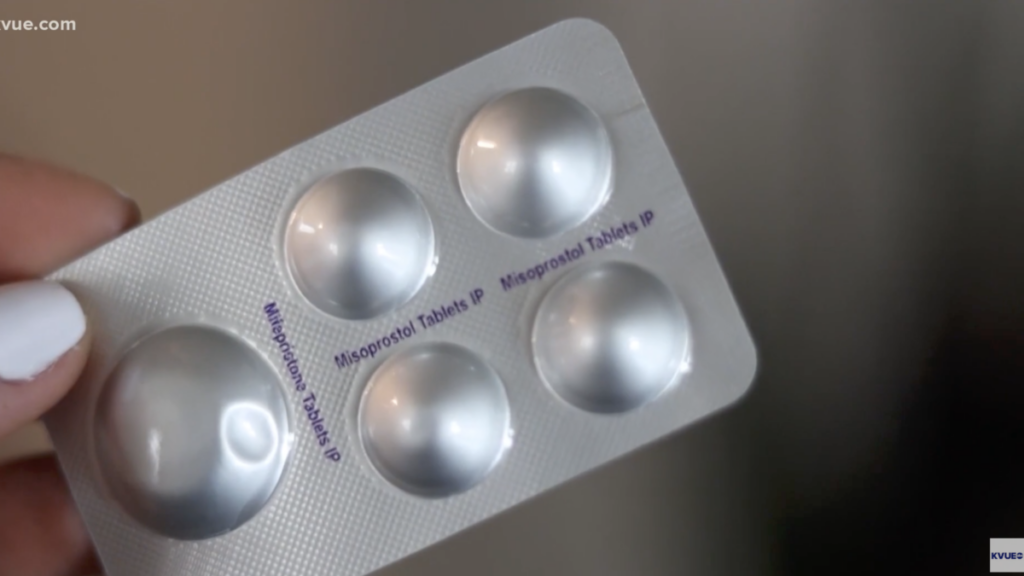
The Comstock Act (18 U.S.C. Sec. 1461 and 1462) prohibits the mailing or receipt of any “article or thing designed, adapted, or intended for producing abortion.” Mifepristone, developed in the 1980s specifically to induce abortion, squarely fits that definition, proponents of enforcement argue.
Federalist senior legal fellow and Advancing American Freedom (AAF) representative wrote in the source article that the OLC opinion ignored the statute’s plain language. “The Comstock Act doesn’t say anything about a sender’s intent or a recipient’s use,” they wrote, noting that the U.S. Postal Inspection Service still classifies “non-mailable” items based on the object itself, not the sender’s mindset.
The OLC’s interpretation, they argued, “invented a statute that Congress has never enacted—one that would pose no obstacle to the abortion agenda.” This reading, they say, contradicts Supreme Court precedent requiring courts and agencies to give statutory words their “ordinary meaning” and to stop when the language is “unambiguous.”
Mifepristone’s Safety and Regulatory History
The source article also highlights a litany of safety concerns dating back decades. Mifepristone was banned for importation by the FDA in 1989 due to “serious risks.” When the Clinton administration approved it in 2000, the FDA used a fast-track process reserved for life-threatening illnesses and imposed strict rules requiring in-person administration under a physician’s supervision.

In May 2020, abortion rights advocates sued to suspend the in-person requirement, citing the COVID-19 pandemic. An Obama-appointed federal judge granted their request, and in December 2021, the Biden FDA permanently dropped the in-person dispensing rule without citing pandemic reasons. By 2023, the agency allowed the drug to be prescribed via telehealth and mailed, with no face-to-face interaction.
Critics also point to a 2016 decision by the Obama FDA to eliminate mandatory reporting of nonfatal complications, a move they argue hid the drug’s harms. The source cites a study led by the Ethics and Public Policy Center that analyzed over 850,000 insurance claims involving mifepristone and found a “serious adverse event” rate of nearly 11 percent—more than 20 times higher than the figure publicly claimed by the drug’s marketers.
State Bans and Cross-Border Shipping
More than a dozen states have enacted laws banning abortion drugs, but pro-choice advocates have organized campaigns to mail the pills into those states, deliberately breaking the law and endangering women who may not receive proper medical oversight. The source article frames these efforts as reckless and criminal.

Legal Pushback and Blanche’s Commitment
Blanche, who was confirmed as attorney general under the Trump administration, stated during his confirmation that he would re-examine the OLC opinion. In a letter led by AAF and joined by scores of pro-life organizations, the groups asserted that “the Comstock Act the [OLC] opinion describes is not the one Congress enacted.”
AAF has also filed an amicus brief in Louisiana v. Food & Drug Administration, a pending federal case challenging the FDA’s actions on mifepristone, arguing the same legal point.
“At stake are the lives of countless unborn children, the safety of women, and the Justice Department’s commitment to impartiality and the rule of law,” the author wrote.
The DOJ has not yet announced a timeline for Blanche’s review, but the decision could have profound implications for abortion access in restrictive states and for the legal standing of the Comstock Act in modern jurisprudence.
Source: thefederalist.com — https://thefederalist.com/2026/08/21/doj-should-end-dangerous-loophole-shielding-illegal-abortion-drugs/