
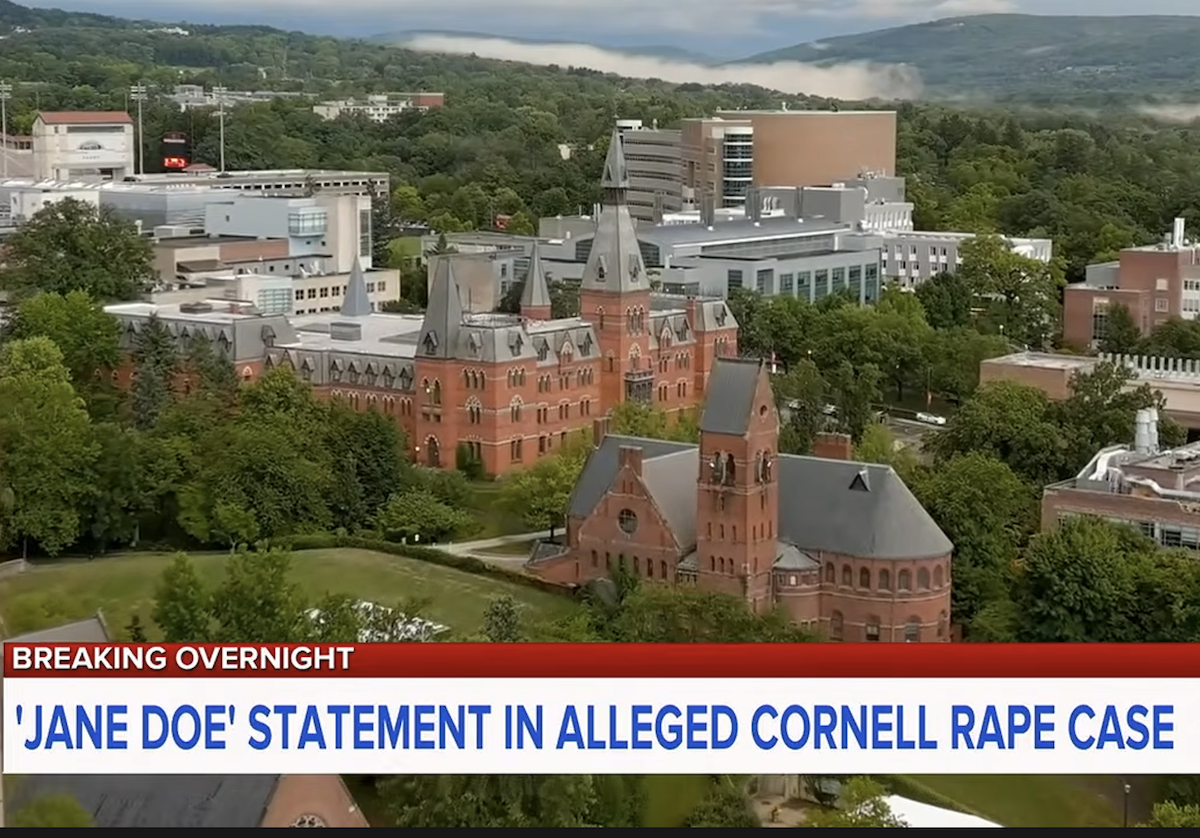
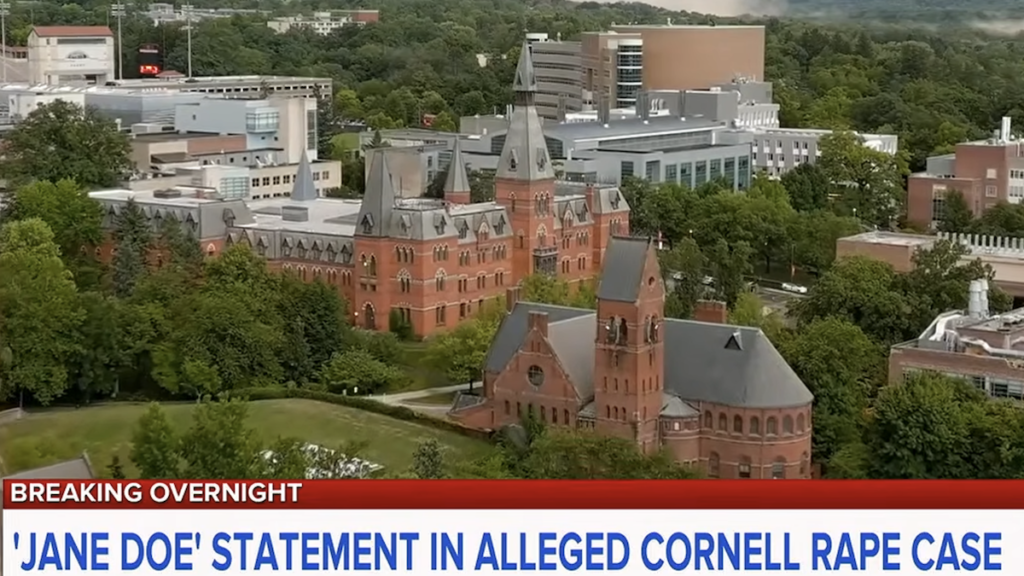
A recent column in The Federalist argues that women must choose between full independence and helplessness, and that they can’t have it both ways—particularly when it comes to highly publicized cases involving sexual assault and violence. The piece, titled “Dear Women: Your Bad Life Choices Shouldn’t Be National News,” takes aim at CNN’s coverage of a reopened criminal investigation into an alleged 2024 sexual assault at Cornell University.
The Interview That Sparked the Critique
According to The Federalist, Jake Tapper interviewed District Attorney Matthew Van Houten on Monday about his decision to reopen the investigation. Van Houten had initially declined to pursue charges after the accuser, identified only as “Jane Doe” in a recently filed civil lawsuit, told police in 2024 that the encounter was consensual.
The Federalist describes Tapper as visibly emotional during the exchange, quoting him: “You know, I have a daughter. I can’t imagine how mad I would be if a district attorney handled this case that way for my daughter. It’s just — do you not acknowledge that your office dropped the ball by not looking more into what happened?”
The column asserts that Tapper’s indignation centered on the fact that the DA took the accuser at her word at the time, rather than investigating a crime that no one was alleging at that point. The next day, according to The Federalist, CNN’s Pamela Brown echoed that sentiment in an interview with an attorney for one of the accused men, asking whether the DA should have convened a grand jury back then and whether it was a mistake not to do more.
The Case Details as Described by The Federalist
Drawing on the civil lawsuit, The Federalist outlines the timeline: Jane Doe, then 20, drank at a sorority house until she was intoxicated, then went to a bar and continued drinking, then to another bar with sorority sisters, before ending up at a frat house to meet a male friend. There, the friend proposed a threesome with another frat brother. According to DA Van Houten, Doe told police in 2024 that she consented. The group used ketamine and marijuana, the column states, and other men may have entered the room at various times.
The lawsuit, which targets seven men, Cornell University, and others, now claims Doe was incapable of consenting from the moment she arrived at the frat house. The Federalist notes that the suit provides two different dates for the incident, almost a week apart. The column also says Doe’s lawsuit claims she had a fuzzy memory of the night until she learned that details had become public knowledge on campus.

The Larger Argument: Accountability and Agency
The Federalist frames the case within a broader cultural argument about female agency. It points to the public reaction to Lindsay Clancy, the Massachusetts woman who does not deny strangling her three young children, as an example of what it calls a contradictory standard. The column asks whether women can claim full independence and accept the consequences of their decisions, or whether they will admit they have no agency and cannot be trusted with total freedom.
The piece insists it cannot be both: a woman cannot murder her children and escape accountability because she had a headache, nor can she consent to an alcohol- and drug-fueled sexual encounter and then, two years later, call it rape and collect significant sums of money. The Federalist argues that these are choices with consequences that demand accountability—and that the only people exempt from this standard are children and the mentally impaired, whom it describes as the helpless.
The column also stresses that if a woman is raped, she should alert authorities immediately, both to protect potential future victims and because her credibility matters. Claiming the opposite of what was stated two years prior, it argues, only undermines that credibility.
CNN’s Coverage and the DA’s Reopened Investigation
CNN’s interviews highlight the network’s focus on whether law enforcement did enough at the time. Van Houten has not publicly explained his decision to reopen the case, but the civil lawsuit and renewed media attention appear to have prompted action. The Federalist’s critique is less about the specifics of the investigation and more about what it sees as a media-driven narrative that seeks to retroactively reinterpret the accuser’s initial statements.
The column does not dispute that sexual assault is a serious crime or that victims should report promptly. Instead, it challenges the idea that a woman who initially described an encounter as consensual should later be able to recast it as assault without scrutiny—especially when the initial account included voluntary drug and alcohol use.
A Broader Cultural Debate
The Federalist’s piece is part of a longer-running debate over consent, memory, and accountability on college campuses. It raises questions about how universities and law enforcement handle allegations that surface long after the fact, and whether the passage of time and public exposure should change the legal calculus.
Critics of The Federalist’s position argue that trauma and intoxication can affect memory and that victims often delay reporting for various reasons. Supporters of the column’s view contend that taking initial police statements at face value is essential to a fair process and that reopening cases based on media pressure risks undermining the presumption of innocence.
The case remains under investigation, and no charges have been filed. The civil lawsuit is ongoing. The Federalist concludes by reiterating that women must make a choice: accept responsibility for their decisions or admit they lack agency. “They can no longer evade the responsibility for it,” the column states.
As the investigation proceeds, the intersection of media coverage, legal standards, and cultural expectations will likely continue to draw scrutiny. For now, the debate sparked by The Federalist’s column reflects a deeper divide over how society views female autonomy and accountability in high-profile cases.
Source: thefederalist.com — https://thefederalist.com/2026/09/30/dear-women-your-bad-life-choices-at-cornell-frat-parties-shouldnt-be-national-news/
Source: thefederalist.com