
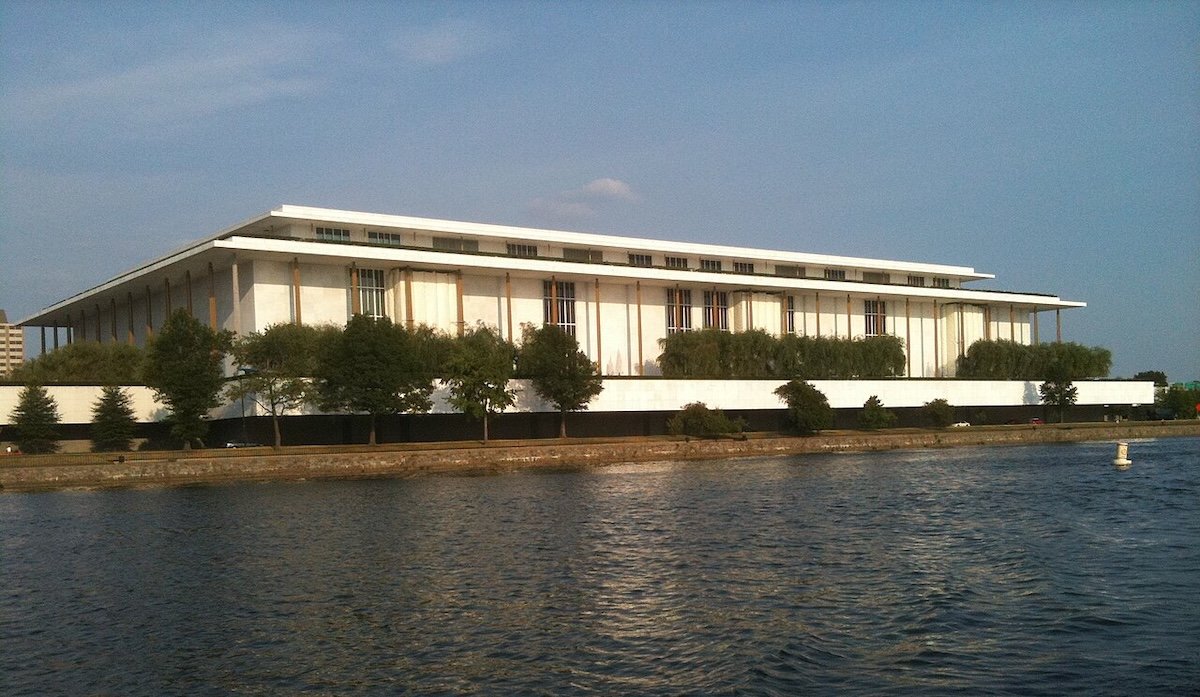
The Kennedy Center for the Performing Arts is at the center of a legal and political fight over a planned renovation that would attach President Trump’s name to the landmark — and now it is drawing fire from an unexpected direction: an essay arguing the building should simply be demolished.
In a piece published by The Federalist under the headline “The Kennedy Center Is A Shrine To D.C. Decadence. Tear It Down,” the author frames the debate not around architecture or programming but around who the building actually serves. The writer, who says they lived in Washington, D.C., for nearly 15 years and visited the center only a handful of times, argues that what matters about the Kennedy Center is its location and the people who treat it as a marker of social standing.
A showdown over the building’s future
According to the essay, Trump is threatening to demolish the center and is currently locked in a showdown with courts and Democrats who are fighting the plan — particularly any effort to have the building bear his name as part of the renovation. The piece notes that opponents are predictably outraged at the idea of Trump imposing his name on another landmark.
The Federalist writer argues that outrage is revealing. “In their seething anger they reveal the grotesque nature of whatever it is they’re defending,” the essay states, framing the dispute as less about preserving a cultural institution than about protecting a social fortress.
Pushback on a Washington Post critic
Much of the piece is built around a response to Washington Post art critic Philip Kennicott, who wrote Thursday in praise of the center’s role in city life. The Federalist quotes Kennicott describing the Kennedy Center as “a proper Babel of tongues” — a reference the essay pointedly recasts as biblical, invoking the tower whose construction God halted — and noting that it “offered free performances for passersby” while bringing together “the black-tie crowd and guys in cargo shorts,” tourists and locals alike.
Kennicott’s column also acknowledged less glamorous realities, according to the quoted passage: “The ushers were friendly, the wine was terrible and sometimes mice would scamper down the aisle as the National Symphony Orchestra was playing Mahler.”
The Federalist responds with sarcasm — asking whether the center accepts cancellations or walk-outs — and then rejects the premise of Kennicott’s affection entirely. The essay concedes that the Kennedy Center can at times look like a crowded, mixed crowd of tourists and locals, including visitors from the Midwest who, having heard about the venue in movies, might show up in their finest MAGA attire. But it calls Kennicott “a fraud” and insists none of that explains why he and other affluent, mostly white, Democrat residents of the District revere the place.
The real attraction, according to the essay
What that cohort is devoted to, the piece argues, are the exclusive black-tie events — gatherings where, in the author’s telling, you won’t see Republicans or tourists, only the regular guests of CNN, MSN, and the network Sunday news shows.

The essay also points to the center’s proximity to Georgetown, describing the neighborhood as a place that people who are not wealthy Democrats rarely visit precisely because of how removed it is from the rest of the city. It argues that the entire city has become unaffordable by any average American income standard.
That exclusivity, the writer contends, is the point. “That’s how the Kennedy Center devotees like things — exclusive,” the essay states, adding that they resent people who cannot afford to live in Georgetown or attend the black-tie events — a group the author defines as everyone who does not live in Northwest D.C. or commute there from Alexandria, Virginia, or Potomac, Maryland.
The multiculturalism, artistry, and free performances that D.C. Democrats say they cherish, according to the piece, are “scraps they throw at the city’s poor in exchange for maintaining their status hub.” The essay calls the center a monument to self-importance and a symbol of wealth and power, and asserts that its defenders do not care whether another tourist or impoverished child ever sets foot in Foggy Bottom.
Not an ugly building — but a building for someone else
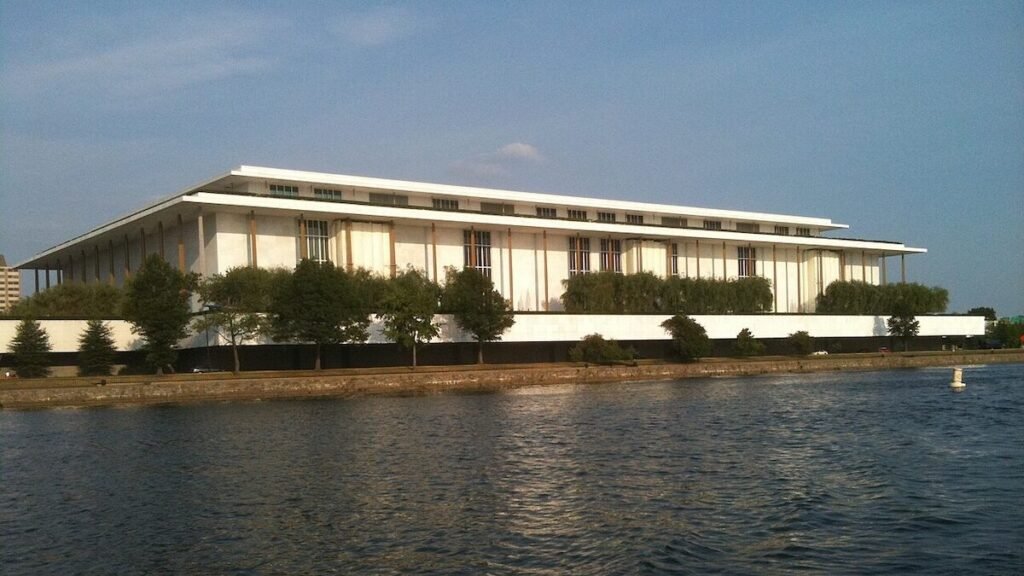
The author is careful to separate aesthetics from politics. The Kennedy Center is “not a bad-looking building,” the essay allows, recalling friends with boats and pleasant rides past it on the Potomac, with its striking architecture on the skyline. But the writer says they always knew who the building was really for.

As for the demolition threat itself, the piece is unbothered: “If it comes down, so what?” it asks, arguing that D.C. Democrats already have enough monuments to themselves, starting with the capital city itself.
The essay appears amid an ongoing confrontation involving the White House, the courts, and the center’s leadership over the proposed renovation and naming. The Federalist piece does not address the legal arguments at issue or the details of the renovation plan, and it does not identify the author’s name in the text.
The broader debate over the Kennedy Center’s identity is not new. The venue has long been a subject of political and cultural argument in Washington, from its federally chartered origins to disputes over its programming and board. What is new, in this telling, is a conservative argument not merely against a naming decision but against the building’s continued existence — a position that reframes a fight over a renovation into a referendum on the city’s elite culture.
Whether that argument gains traction beyond the pages of a conservative magazine is another question. But as a window into how the fight over the Kennedy Center is being framed on the right, the essay is unambiguous: its author sees the building not as a temple to the arts but as a monument to the people who run the city — and would not mourn its loss.
Source: thefederalist.com — https://thefederalist.com/2026/09/18/the-kennedy-center-is-a-shrine-to-the-d-c-decadence-tear-it-down/