
A sharp critique of modern political conspiracy culture has emerged from The Federalist, targeting what the outlet describes as a corrosive trend in American discourse driven by the phrase “What else are we being lied to about?”
The opinion piece, published Thursday, takes aim at influencers and commentators who the author argues exploit public distrust to promote unfounded theories while abandoning reasoned skepticism. The article was prompted in part by recent reporting on Laura Loomer’s abrupt reversal on Ukraine policy.
According to The Wall Street Journal, Loomer—a controversial right-wing activist and commentator—recently changed her stance on U.S. support for Ukraine after a trip to the war-torn country paid for by “private donors” and a meeting with President Volodymyr Zelensky. Previously a vocal skeptic of American involvement in the conflict, Loomer now describes Zelensky as “a wartime leader” and calls Ukraine “an essential ally,” The Journal reported.
The Wall Street Journal’s reporting indicated that Loomer’s shift may have been influenced by online feuds rather than pure geopolitical analysis. According to the outlet, she noticed that pro-Russia accounts on X were amplifying content from creators with whom she has engaged in disputes over Israel policy. “I started to really examine a lot of the content that was coming out of Russia Today,” Loomer said, per The Journal. “And I realized, holy sh—, there’s like a full-blown foreign-interference operation happening.”
The ‘Most Damaging Sentence of the Decade’
The Federalist’s piece uses Loomer’s apparent about-face as a springboard to examine what it calls a broader problem: the use of “just asking questions” as a tool that “absolves every asinine take” on major historical events and current affairs. The author argues that this rhetorical device has become “the last gasp of political has-beens desperately trying to claw their way back into the limelight.”
The article draws a sharp distinction between legitimate skepticism—such as questioning official narratives during the COVID-19 pandemic—and what it characterizes as bad-faith conspiracy theories. On COVID-19, the piece notes that Anthony Fauci’s recently released diary confirmed that he “knowingly and repeatedly lied to the American people about practically every facet of the Covid-19 pandemic.”
The Federalist argues that COVID skepticism was justified because “people looked at the available facts” and reached logical conclusions that later proved correct, including regarding lab-origin theories, mask effectiveness, and government censorship efforts. “There was ample evidence in plain sight to justify questioning the official narrative on Covid,” the article states.
Drawing Lines Between Skepticism and Conspiracy
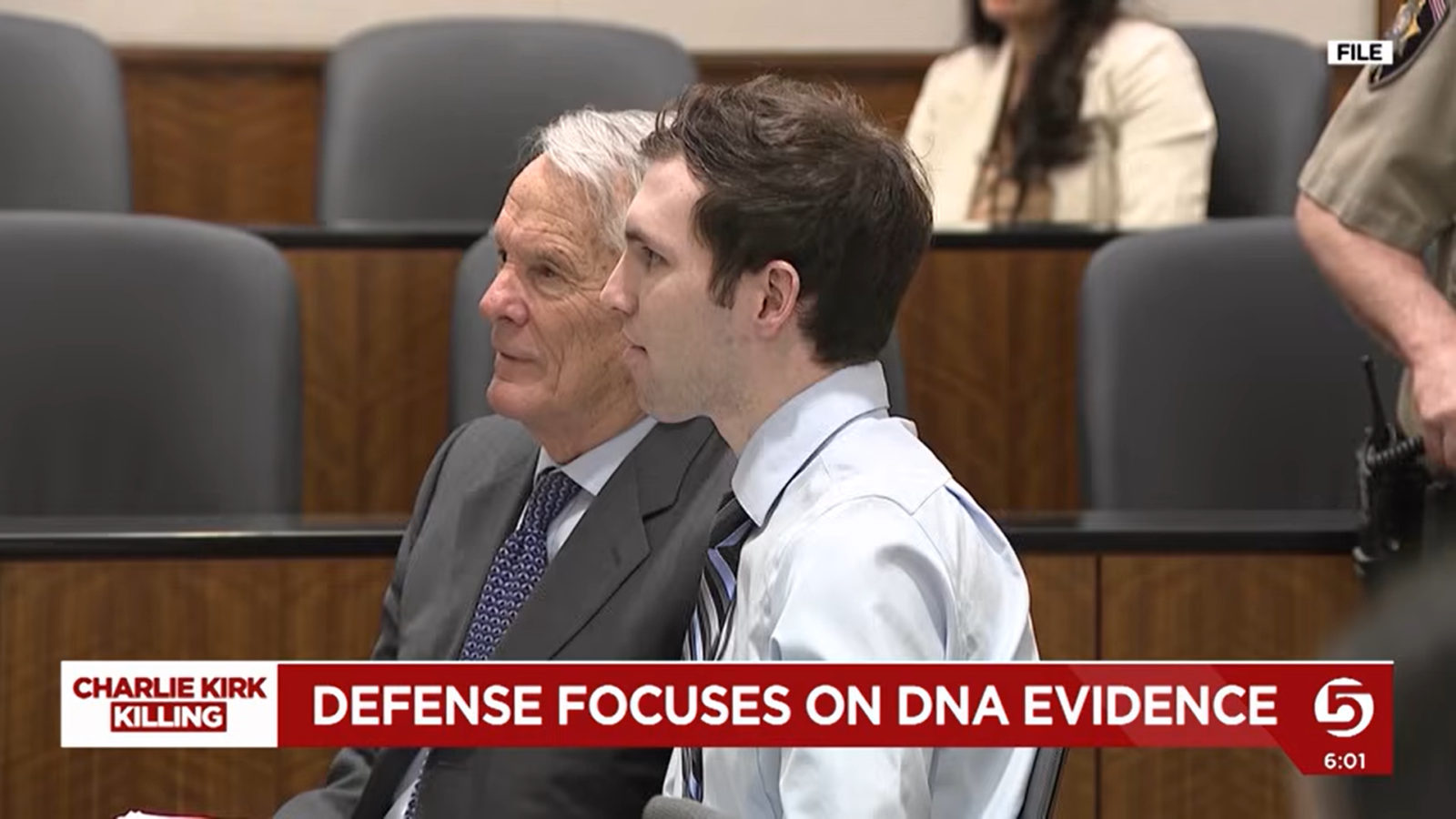
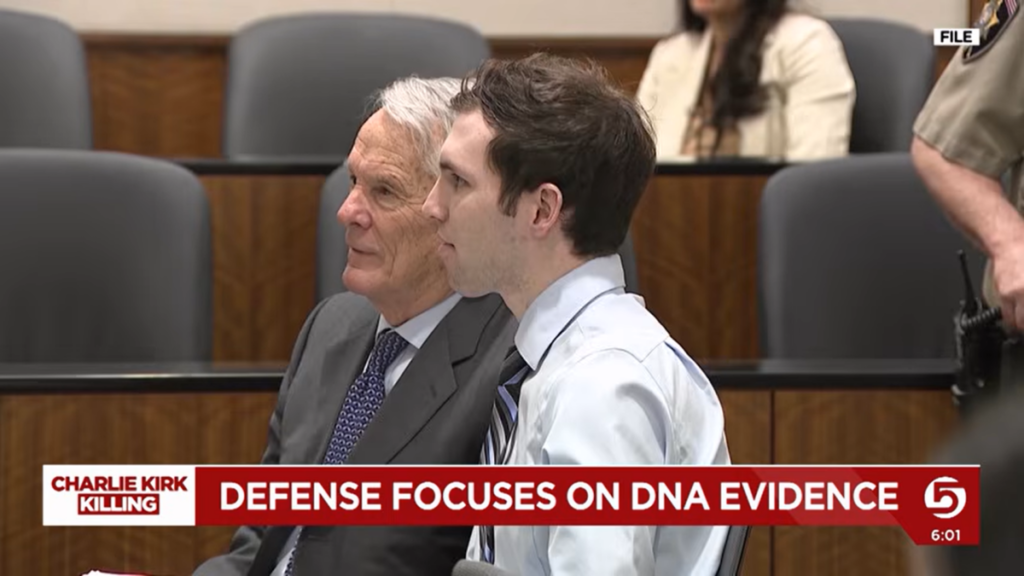
The opinion piece contrasts that reasoned doubt with theories surrounding the assassination of Charlie Kirk, a prominent conservative activist. The article outlines what it describes as the leading theory: that Tyler Robinson, who had become involved with radical leftist ideology, killed Kirk with a hunting rifle. According to the piece, surveillance video, DNA evidence, and an alleged confession note all support this explanation.

The Federalist dismisses alternative theories circulating online as requiring “an unnatural bending of reality and a ludicrous suspension of simple common sense,” specifically calling it “insane” to suggest Kirk’s widow orchestrated his death in conspiracy with foreign governments.
The author attributes the proliferation of such theories not to genuine truth-seeking but to “a deep, and totally understandable, bitterness toward our ruling classes and the string of betrayals that they’ve inflicted on the American people.” However, the piece argues that this bitterness causes some to “leave reality and good common sense behind.”
Three Major Consequences
The Federalist identifies three significant harms from what it calls “grifting” under the guise of questioning everything. First, the piece argues, it erodes clear thinking by blurring “the lines between objective truth and wishful thinking.” The author compares this style of commentary to “AI slop” that provides “cheap, momentary thrills but absolutely nothing of substance.”
Second, the article contends that the “just asking questions” approach creates an ecosystem for “dishonest conspiracy peddlers to thrive,” allowing “professional grifters to change their skin like a chameleon” and align with whatever position is most lucrative at any given moment.
Third, and perhaps most critically from The Federalist’s perspective, the piece argues that conspiracy-mongering diverts attention from “real, actionable issues and goals.” Using the Kirk assassination as an example, the author claims that instead of uniting conservatives against “the deadly threat of the insane gender ideology” that allegedly motivated the killer, conspiracy theories have “splintered the right into a hundred warring factions.”
“Conservatives can’t afford to miss chances to turn momentum into victories,” the piece warns. “Every opportunity we waste with dumb infighting allows the left to regroup and prepare for their next assault on American civilization.”
The article concludes by arguing that constant conspiracy theorizing represents a form of complacency that “lies the ultimate destruction of Western civilization,” characterizing the “What else are we being lied to about?” question as a way for questioners to abdicate “any agency and responsibility.”
The opinion piece reflects ongoing tensions within conservative media and activism circles over how to balance legitimate distrust of institutions with what some view as increasingly outlandish and counterproductive conspiracy theories.
Source: thefederalist.com — https://thefederalist.com/2026/07/31/just-asking-questions-is-a-dangerous-tool-in-the-hands-of-grifters/